

Max Hodak’s Science Corp. Set to Implant First Brain Sensor in Humans
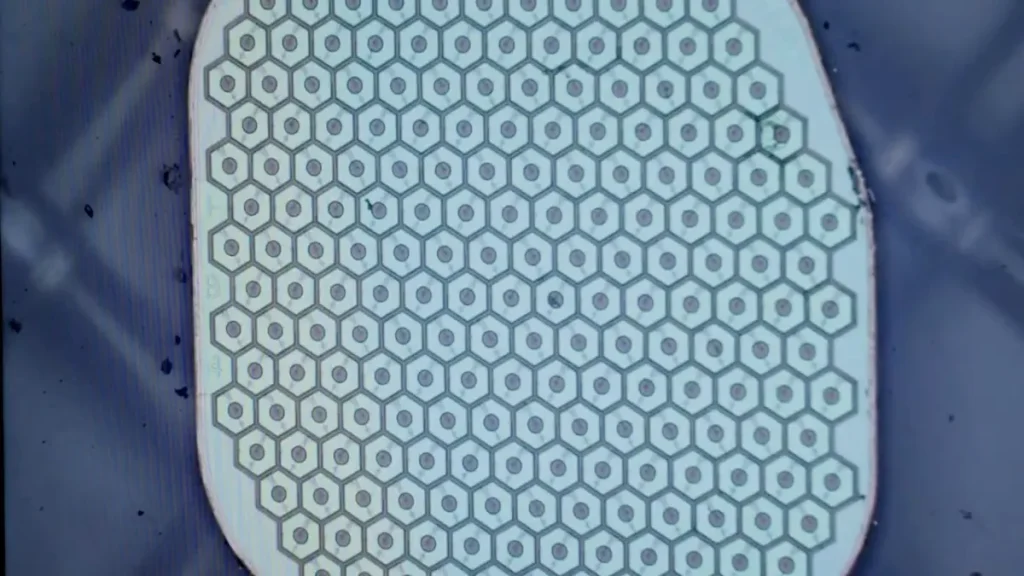
Image Credits:Science Corporation / Science Corporation
Science Corporation Enlists Leading Neurobiologist for Groundbreaking Brain-Computer Interface Trials
Science Corporation, a pioneering startup co-founded by former Neuralink president Max Hodak, is on the cusp of revolutionizing neurotechnology. The company has appointed Dr. Murat Günel, chair of the Department of Neurosurgery at Yale Medical School, as its lead scientific adviser. This partnership signals the launch of the first human trials in the U.S. for a biohybrid brain-computer interface, designed to merge lab-grown neurons with electronic technology.
The Vision Behind Science Corporation
Founded in 2021, Science Corporation aims to create seamless communication between computers and the human brain. Hodak’s vision extends beyond merely treating diseases; he envisions platforms that could enhance human capabilities, potentially granting new senses or enhancing existing ones. His commitment to this cause has spanned his career, from his initial entry into neuroscience as a college student to the formation of Neuralink alongside Elon Musk.
Pioneering Biohybrid Technology
Dr. Günel’s appointment comes after two years of discussions and aligns perfectly with the company’s ambitious goals. The immediate objective is to place an advanced sensor in a patient’s brain, which will eventually feature lab-grown neurons integrated with electronics. This groundbreaking approach could create a biological interface that minimizes damage often caused by traditional metal probes. Dr. Günel emphasized the ingenuity behind using natural neuron connections for effective brain communication.
Significant Funding and Product Development
In July 2023, Science Corporation successfully completed a $230 million Series C fundraising round, bringing its valuation to a staggering $1.5 billion. The company’s flagship product, PRIMA, serves as a vision-restoration device for those afflicted by macular degeneration and other eyesight-related conditions. Following its acquisition in 2024, the technology has advanced significantly, showing promise during clinical trials. Science plans to expand its availability in Europe pending regulatory approval, anticipated by year-end.
Beyond Traditional Neurology: A New Approach
Traditional methods of influencing neuronal activity often depend on electrical interventions through metal probes or electrodes, which can lead to brain damage over time—an issue Dr. Günel aims to counteract. While existing technologies have made strides, such as using electronic sensors to detect brain activity in ALS or spinal injury patients, the path to a commercial market is troubled by regulatory hurdles and a limited patient population.
Günel and Hodak assert that a more organic method—utilizing living neurons in conjunction with electronic systems—will achieve better long-term results. This sentiment is echoed by Alan Mardinly, Science’s chief science officer and co-founder, who leads a team focused on developing these biohybrid sensors. The final product will comprise lab-grown neurons that can be stimulated by light pulses, designed to naturally integrate with human brain cells.
Approach to Human Trials
As the company prepares for its initial human clinical trials, Dr. Günel will collaborate closely with medical ethics boards overseeing research involving human subjects. Unlike traditional devices that penetrate brain tissue, Science’s sensor will sit atop the brain within the skull. This distinction allows Science to operate without seeking FDA approval for immediate trials. The small device, featuring 520 recording electrodes, is compact enough to pose minimal risk.
Candidate patients will likely include those undergoing other significant brain surgeries, such as stroke victims needing cranial components removed. In these cases, Dr. Günel aims to place the sensor on the cerebral cortex while assessing its performance in capturing brain activity.
Potential Applications of the Biohybrid Interface
Should the trials prove successful, the biohybrid interface could address a range of neurological conditions. One early application belongs to the stimulation of damaged brain or spinal cord cells, possibly aiding in their recovery. Another complex potential use involves monitoring neurological activities in patients with brain tumors, offering caregivers timely alerts about potential seizures.
Günel also speculates that these devices could more effectively treat progressive disorders such as Parkinson’s disease, an ailment that gradually takes away bodily control. Conventional treatments, including experimental brain cell transplants and deep brain stimulation, have not conclusively halted disease progression. However, integrating electronics with biological systems may change this trajectory.
“I envision this biohybrid system as a fusion of electronic and biological components,” said Günel. “Current practices focus on stopping symptom progression rather than the disease itself. If we can successfully implant transplanted cells back into the brain to protect vital circuits, there is a realistic chance we can halt disease progression.”
Challenges Ahead
While the potential of these biohybrid devices is immense, much work remains to ensure successful human trials. Dr. Günel estimates that reaching this milestone could be optimistic by 2027, indicating the intricacies involved in developing this innovative technology.
Conclusion
Science Corporation, under the leadership of Max Hodak and with the expertise of Dr. Murat Günel, is at the forefront of transforming the field of neurology through pioneering biohybrid brain-computer interfaces. This development holds promise not only for treating neurological disorders but also for enhancing the human experience itself. As the company moves toward clinical trials, it will continue to navigate the complexities of medical regulations, ethical considerations, and technical developments, poised to potentially redefine how we understand and interact with our brains.
Thanks for reading. Please let us know your thoughts and ideas in the comment section down below.
Source link
#Max #Hodaks #Science #Corp #preparing #place #sensor #human #brain
About The Author