

Maine Governor Rejects Moratorium on Data Center Development
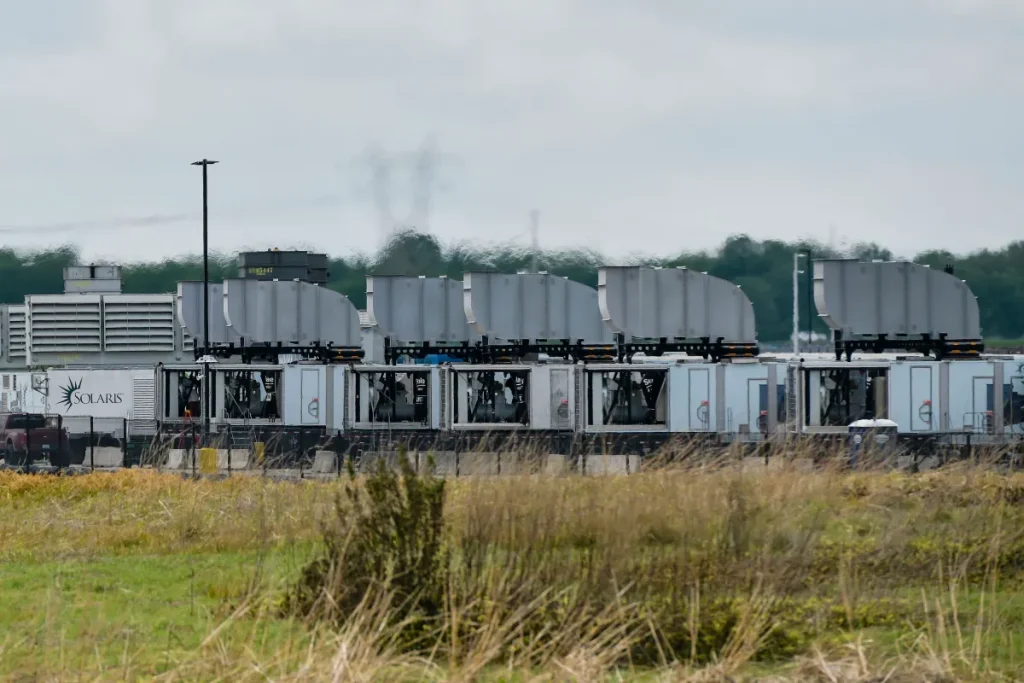
Image Credits:Brandon Dill for The Washington Post / Getty Images
Maine Governor Vetoes Data Center Moratorium Bill
Maine Governor Janet Mills has made headlines by vetoing a significant bill aimed at halting permits for new data centers. If passed, L.D. 307 would have introduced the first statewide moratorium in the United States on new data centers, intended to last until November 1, 2027. This legislation would also have established a 13-person council tasked with studying and providing recommendations regarding data center construction.
The Context of the Bill
The proposed legislation highlighted growing concerns over the environmental impact and electricity consumption of massive data centers, particularly in other states. As public opposition to the proliferation of data centers increases, various states, including New York, are contemplating similar moratoriums. The context in which this bill was introduced reflects a rising awareness of how these technological infrastructures affect local communities, ecosystems, and energy costs.
Governor Mills’ Position
In her letter to the state legislature, Governor Mills, a Democrat who is currently campaigning for a U.S. Senate seat, expressed her belief that a temporary pause on new data centers would be beneficial. Mills emphasized the negative effects of large data centers observed in other regions on both the environment and electricity rates. However, she noted that she would have signed the bill had it included an exemption for a specific data center project in the Town of Jay, which reportedly boasts strong local support.
The refusal to support the broader moratorium reflects the complexity of balancing economic interests with environmental concerns. Local opposition and support play crucial roles in these discussions, as stakeholders grapple with the potential benefits and drawbacks of new data center developments.
The Town of Jay Project
The proposed data center in the Town of Jay stands as a focal point in the debate surrounding this legislation. Governor Mills indicated that this project had significant backing from the local community and the wider region. Local support may arise from job creation, technological investment, and potential economic benefits that could offer a counterbalance to the concerns raised regarding environmental impact and resource consumption.
Reactions from Lawmakers
Melanie Sachs, a Democratic state representative and the bill’s sponsor, voiced her disappointment over Governor Mills’ veto. She remarked that the decision could lead to “significant potential consequences for all ratepayers, our electric grid, our environment, and our shared energy future.” Sachs’ comments underscore the gravity of the situation, as lawmakers and environmental advocates alike stress the need for careful consideration of the implications associated with increasing data center operations.
Implications for Maine’s Energy Future
As energy consumption steadily rises, questions surrounding the sustainability of data center expansions become increasingly pertinent. The veto of L.D. 307 demonstrates not only political divisions within the state but also highlights the ongoing struggle to define Maine’s energy future.
The expansion of data centers consumes large amounts of electricity, which can lead to increased rates for residents and businesses alike. With Maine already facing challenges related to energy pricing and resource management, stakeholders are compelled to analyze how new developments can be integrated into the existing power grid without placing excessive burdens on consumers.
The Role of Local Support in Development Projects
The importance of local community involvement cannot be overstated when discussing significant development projects like data centers. Public sentiment can significantly influence policymakers’ decisions, as demonstrated by Governor Mills’ conditional endorsement of the Jay project. When communities rally around local projects, their potential benefits—such as job creation and infrastructure investment—become more pronounced.
Local input also fosters a sense of ownership and responsibility among residents, leading to better outcomes. As communities express varying levels of concern over data center developments, engaging them in comprehensive planning and review processes proves critical.
Broader Trends in Data Center Development
The veto of the moratorium is not an isolated incident; it reflects broader national trends concerning data center construction. Many states are experiencing similar debates regarding the sustainability and impact of these technological infrastructures. As data consumption accelerates—driven by trends in cloud computing and digital services—states and municipalities are reconsidering how they accommodate this growing demand.
In recent years, data centers have faced mounting scrutiny over their carbon footprints, energy consumption, and local resource use. Advocates for sustainable tech development are increasingly demanding that new projects be assessed with robust environmental safeguards.
Looking Ahead
The future of data centers in Maine will likely unfold amid ongoing discussions about energy management, environmental responsibility, and community engagement. Governor Mills’ veto underscores the dichotomy between local interests and broader statewide policies, a balance that will be essential to navigate moving forward.
As Maine debates the merits of new development against the backdrop of local support and environmental impacts, all eyes will be on how policymakers reconcile these competing interests in their quest for sustainable growth. The ongoing discussion will undoubtedly shape the state’s economic and environmental landscape for years to come.
In summary, while Governor Mills’ veto has put a temporary halt to the proposed moratorium on new data centers, it opens the door to more in-depth discussions about the future effects of these massive technological facilities on energy rates, local ecosystems, and community sentiment. Stakeholders at every level, from state officials to local residents, will need to engage in constructive dialogue to arrive at solutions that serve everyone’s best interests.
Thanks for reading. Please let us know your thoughts and ideas in the comment section down below.
Source link
#Maines #governor #vetoes #data #center #moratorium
About The Author