
SoftBank Launches Robotics Firm for Data Centers, Targets $100B IPO
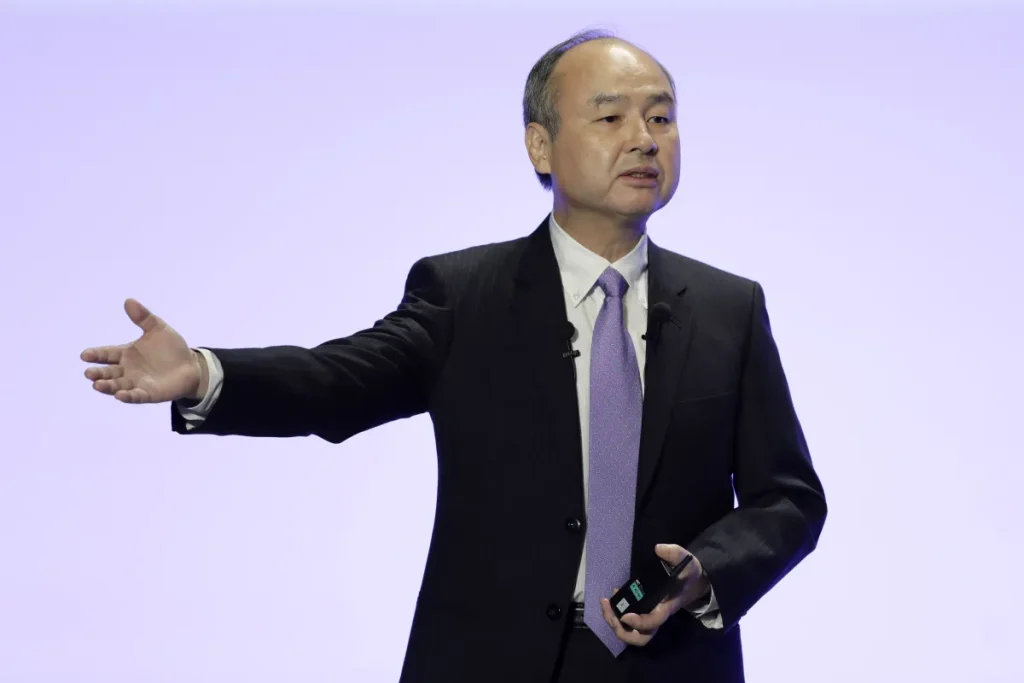
Image Credits:Kiyoshi Ota / Bloomberg / Getty Images
SoftBank’s Ambitious Move into Automation with Roze AI
As the tech industry accelerates towards a future dominated by automation, Japanese multinational conglomerate SoftBank is stepping up to the plate. The company is reportedly launching a new venture named Roze AI, aimed at streamlining the infrastructure required for this transformative era. This initiative comes at a time when the race to build efficient automation systems is more critical than ever.
The Mission of Roze AI
SoftBank’s Roze AI intends to enhance the efficiency of data center construction in the U.S. One of the key methods for achieving this goal involves deploying autonomous robots, which are expected to play a significant role in building server farms. According to reports from the Financial Times and the Wall Street Journal, Roze AI aims to not only automate tasks but also to scale them, thus drastically reducing the time and costs associated with traditional construction methods.
This focus on automation represents a broader trend among tech companies, who are discovering that the robust automation capabilities powered by AI can revolutionize various sectors, including construction and logistics.
Preparations for an IPO
In an intriguing development, discussions within SoftBank indicate that the conglomerate is already preparing Roze AI for an Initial Public Offering (IPO). Some executives are eyeing a launch by the second half of 2026, with an ambitious valuation target of around $100 billion. This valuation reflects the growing potential of AI-driven companies that are successfully navigating the complexities of modern infrastructure requirements.
The decision to pursue an IPO signifies confidence in Roze AI’s business model and growth prospects, aligning with SoftBank’s historical approach of rapidly scaling its investment ventures.
The Broader Landscape of AI and Automation
SoftBank is not alone in its efforts to modernize the industrial sector through AI and automation. Other notable ventures are also emerging. For example, Amazon founder Jeff Bezos has co-founded a startup called Project Prometheus, which focuses on acquiring and modernizing firms across significant industrial sectors using AI technologies. This initiative highlights the competitive landscape in which multiple players are adding their own ideas and technologies to optimize operations economically and physically.
These movements illustrate a rising tide of investment in the automation space, where companies see the potential for AI to enhance productivity and drive new efficiencies.
SoftBank’s Track Record in Startup Investments
It’s worth noting that SoftBank has a mixed history when it comes to its investments in innovative startups. The company has been known to back numerous unconventional ventures, some of which have not performed as expected. A prime example is Zume, an AI-driven pizza delivery startup. Despite SoftBank pouring hundreds of millions into the project, it ultimately failed in 2023, raising questions about the potential pitfalls of aggressive investment strategies.
Internal discussions within SoftBank have indicated skepticism among some executives regarding the valuation and timeline for Roze AI’s IPO. This reflects a cautionary perspective amid an environment where ambitious projections can sometimes lead to disillusionment.
The Future of Automation and Infrastructure
As SoftBank and other investors pour resources into automation efforts, the potential benefits are enormous. Improved efficiency in data center construction could lead to quicker deployment times for cloud services, better energy management, and reduced operational costs for businesses reliant on data centers.
The role of AI in modernizing industries cannot be overstated. With the increasing demand for data processing and storage, optimizing the construction of the infrastructure that supports these needs is pivotal. Technologies like Roze AI have the potential to not only reshape how data centers are built but also to push the boundaries of possibility in automation.
Challenges Ahead
Despite the optimistic projections, challenges remain. The technology itself must evolve continually to keep pace with the rapidly changing demands of the marketplace. For instance, skills shortages in robotics and AI are a real concern, as the field requires specialized knowledge that could see a gap between demand and supply.
Moreover, regulatory hurdles could play a significant role in determining the success of Roze AI and similar ventures. Compliance with local, state, and federal regulations relating to construction and labor can complicate the adoption of autonomous systems.
Conclusion
SoftBank’s endeavor with Roze AI is a noteworthy attempt to capitalize on the burgeoning field of automation and AI-driven solutions. While the potential for achieving high efficiency in data center construction excites many, it remains to be seen how effectively— and quickly— this vision can be transformed into reality.
As we await developments regarding Roze AI and its planned IPO, the unfolding narrative within the automation landscape serves as a fascinating case study of innovation, investment, and the relentless march of technological progress. Will SoftBank overcome skepticism and achieve its lofty ambitions, or will history repeat itself with another unprofitable venture? Only time will tell.
Thanks for reading. Please let us know your thoughts and ideas in the comment section down below.
Source link
#SoftBank #creating #robotics #company #builds #data #centers #eyeing #100B #IPO
About The Author