

AI Outperformed Two Human Doctors in Emergency Room Diagnoses, According to Harvard Study
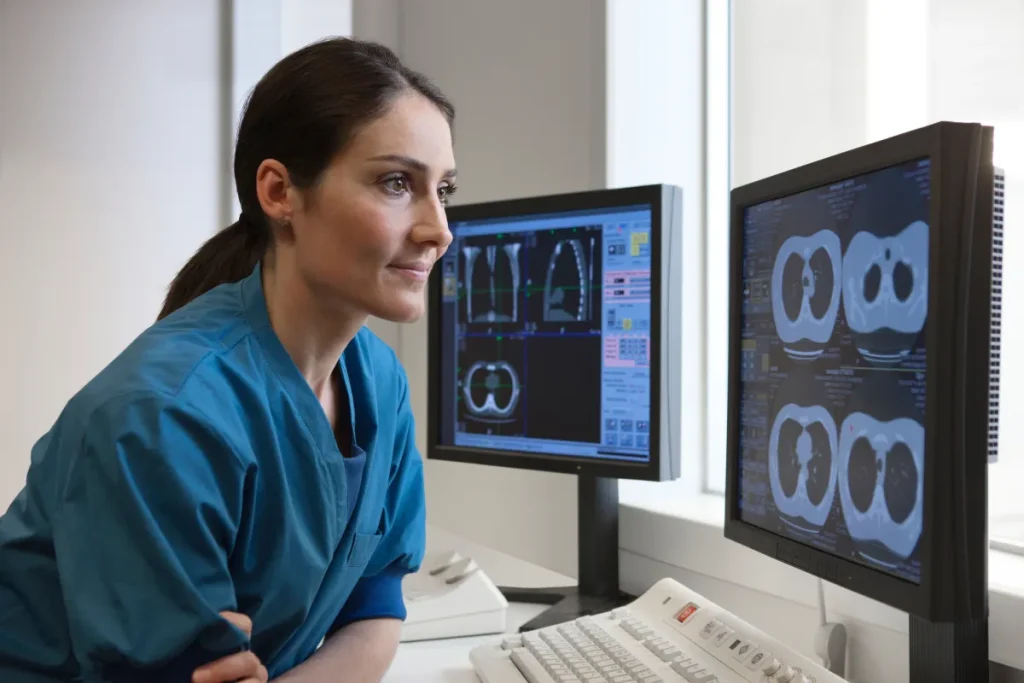
Image Credits:Solskin (opens in a new window) / Getty Images
New Study Analyzes AI Performance in Medical Diagnosis
A recent study published in Science investigates the capabilities of large language models (LLMs) in medical diagnoses, particularly in emergency room settings. Conducted by a team from Harvard Medical School and Beth Israel Deaconess Medical Center, the research aims to compare the diagnostic accuracy of OpenAI’s models against human doctors in real-life scenarios.
Experiment Overview
In one key experiment, the researchers evaluated the diagnoses provided for 76 patients admitted to the Beth Israel emergency room. They compared the assessments made by two internal medicine attending physicians with those generated by OpenAI’s o1 and 4o models. The results were then evaluated by two additional attending physicians, unaware of the origins of the diagnoses.
The findings indicated that at various diagnostic touchpoints, the o1 model exhibited either superior or comparable performance to the two human physicians. Particularly striking was the initial triage phase, where diagnostic decisions are made with limited patient information and urgency. Here, the o1 model achieved a close or exact diagnosis in 67% of the cases, outperforming one physician at 55% and another at 50%.
Methodology and Data Integrity
In the study, the researchers maintained a strict integrity in data usage, stating they did not pre-process the patient information provided to the AI models. The algorithms utilized the same electronic health records available at the time of diagnosis, which ensured a fair assessment of their performance. Arjun Manrai, a prominent AI researcher involved in the study, emphasized that their AI model surpassed previous models as well as the baseline performance of the attending physicians.
Implications of Findings
While the study’s results are promising, the authors are careful not to suggest that AI is ready to take on critical decision-making in emergency rooms. Instead, they highlight an urgent need for thorough prospective trials to assess the effectiveness of these technologies in real-world medical settings.
The researchers acknowledge that their evaluation primarily focused on text-based input. Previous studies have indicated that LLMs may struggle with reasoning based on non-text information, which could limit their applicability in complex clinical situations.
The Need for Human Oversight
Adam Rodman, a physician and a study co-author, raised important ethical considerations regarding AI in healthcare. He pointed out that there is currently no formal framework for accountability related to AI-generated diagnoses. Patients still desire the guidance of human professionals when facing high-stakes medical decisions.
Commentary from Emergency Medicine Experts
The study has generated discussions within the medical community. Kristen Panthagani, an emergency physician, expressed concerns about the study’s context and implications. She highlighted that the AI was compared to internal medicine physicians rather than emergency medicine specialists, which might not provide the most accurate assessment of its capabilities.
“If we’re going to compare AI tools to physicians’ clinical ability, we should start by comparing them to physicians who actually practice that specialty,” Panthagani stated. She further noted that the primary goal of an ER doctor is not to pinpoint an ultimate diagnosis but to quickly assess whether a patient’s condition poses an immediate threat to life.
Conclusion
The study showcases the potential of AI models in aiding medical diagnosis, but it also serves as a reminder that these technologies are not substitutes for human judgment. The medical community is urged to approach these advancements with cautious optimism while stressing the importance of further research and ethical considerations in implementing AI in clinical settings. The need for responsible integration of AI into healthcare remains paramount, as technology evolves but human expertise continues to guide patient welfare.
Thanks for reading. Please let us know your thoughts and ideas in the comment section down below.
Source link
#Harvard #study #offered #accurate #emergency #room #diagnoses #human #doctors
About The Author