

Prepare for the quiet, collaborative workspace of tomorrow.
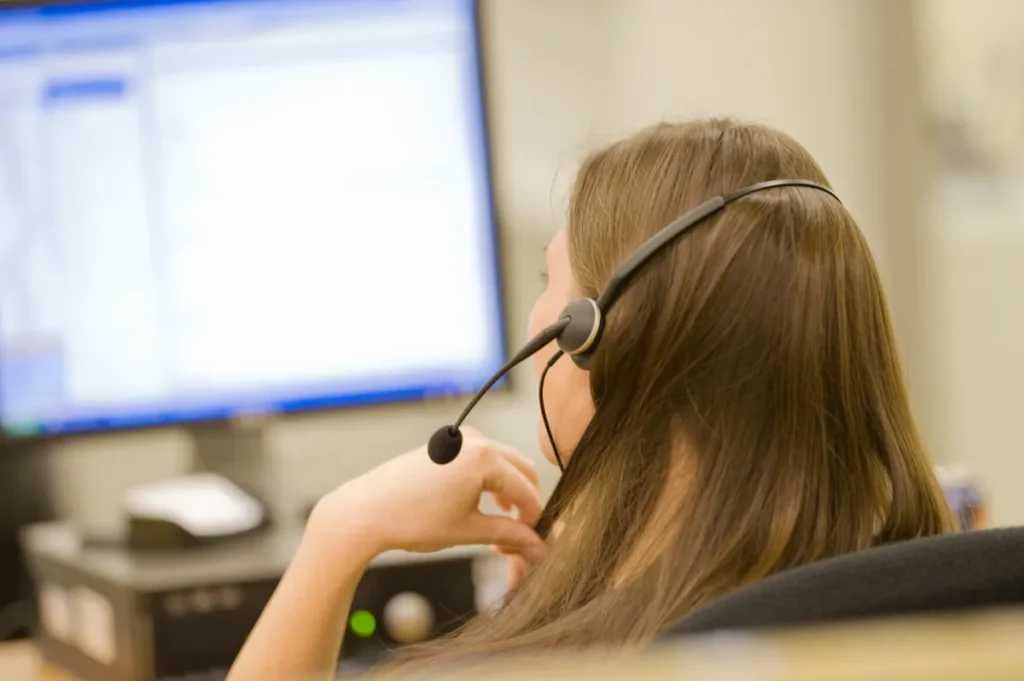
Image Credits:Reza Estakhrian (opens in a new window) / Getty Images
The Future of Work: How Dictation Apps Are Changing Office Dynamics
As technology advances, so too does the way we work. With the increasing prevalence of dictation apps like Wispr, significant transformations in office setups are on the horizon. This change raises questions about what it means for work environments, interpersonal relationships, and office etiquette. A recent feature in the Wall Street Journal sheds light on these evolving dynamics as more individuals engage in conversations with their computers.
The Rise of Dictation Technology
Dictation apps are becoming increasingly popular among professionals seeking to enhance productivity. Wispr, among others, has gained traction due to its ability to streamline workflows through voice commands. Coupled with emerging vibe coding tools, dictation technology is reshaping how tasks are executed, making it easier to transcribe thoughts and communicate ideas without the need for typing.
The convenience of speaking over typing is appealing; however, it does come with its own set of challenges. As teams lean more on these applications, the atmosphere of traditional offices is beginning to shift.
High-End Call Center Vibes
One venture capitalist noted that visiting startup offices today resembles walking into an upscale call center rather than a collaborative workspace. The sounds of multiple individuals dictating their thoughts fills the air, creating an environment that is both busy and disorienting.
Edward Kim, co-founder of Gusto, predicts that the future of office life will resemble a sales floor, where every conversation is driven by technology rather than face-to-face interactions. This prospect can be unsettling for those who thrive in quieter, focused environments. The auditory landscape of the workplace is evolving, and for some, this change is less than welcome.
Challenges of Workplace Dictation
Kim has shared that he primarily resorts to typing only when absolutely necessary, opting instead to dictate his thoughts. Yet, he readily acknowledges that this new mode of communication can lead to awkward moments among colleagues, particularly when you’re in close proximity to others who are also using dictation tools.
Similarly, Mollie Amkraut Mueller, an AI entrepreneur, experienced a personal challenge as her husband became frustrated with her new habit of whispering to her computer during their late-night work sessions. This situation led to adjustments in their routine, such as sitting apart or even having one of them relocate to a different office for the sake of maintaining harmony.
The social dynamics of the workplace are in a state of flux. As dictation becomes more prevalent, new norms around communication will need to be established to ensure a comfortable work atmosphere for everyone.
The Future: A New Normal?
Despite these challenges, Wispr founder Tanay Kothari maintains that this evolution will eventually become the new normal. Just as people have adapted to spending hours glued to their smartphones, so too will they adjust to a world where talking to computers is routine.
As professionals navigate this transition, the need for clear guidelines on office etiquette looms large. Will whispering to a computer in a shared space become standard practice? How will organizations manage the balance between technological convenience and interpersonal relationships?
Navigating New Workplace Etiquette
Establishing guidelines for dictation use in shared office spaces will be crucial. Organizations may need to consider designating “dictation zones” where employees can freely express their thoughts without disrupting others. Additionally, creating tools that allow for noise-cancellation or soundproof pods for dictation could lead to a more harmonious work environment.
As workplaces adapt, communicating openly about individual preferences will also be vital. Employees should feel empowered to voice their concerns regarding auditory disruptions, and teams can work together to foster an environment that accommodates everyone’s workflow preferences.
Embracing Change
The rise of dictation apps signifies a shift in how we approach work. With new technology at our disposal, it’s essential to embrace this change while also considering the impact on workplace culture and personal relationships among employees.
Training sessions on proper use of dictation technology could help ease the transition. Encouraging team-building activities that focus on communication can also help mitigate any tensions that arise from new work practices.
Conclusion
The growing use of dictation apps like Wispr is transforming how we interact with technology and one another in the workplace. As we talk more with our computers, the landscape of office life is likely to change dramatically. Although challenges such as awkwardness and tension may arise, the evolution also presents opportunities for improving productivity and communication.
Ultimately, the future of work will depend on our ability to adapt. As we explore new means of interaction, it will be crucial to establish clear office etiquette to ensure a positive experience for all employees. Embracing this shift may lead us not just to a more efficient work life, but to a more connected one—where collaboration, even between humans and machines, fosters innovation and growth.
Thanks for reading. Please let us know your thoughts and ideas in the comment section down below.
Source link
#ready #whisperfilled #office #future
About The Author