
Mira Murati Returns to Prominence, Treading Cautiously
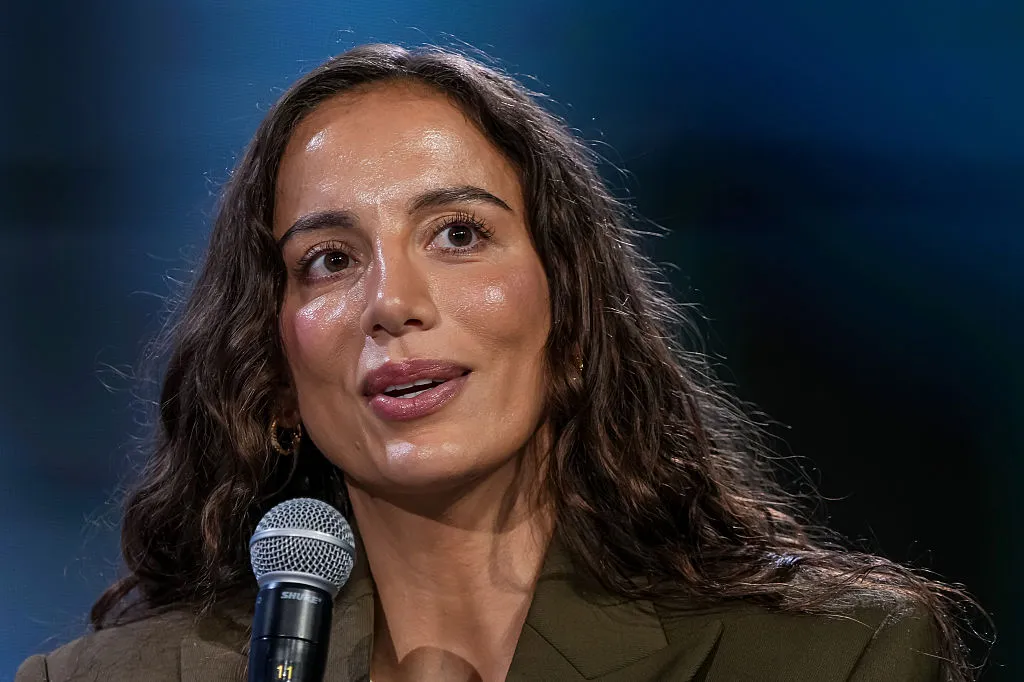
Image Credits:David Paul Morris/Bloomberg / Getty Images
Mira Murati: A Fresh Perspective on AI at Thinking Machines Lab
Mira Murati may not be the most familiar face on the conference stage, but her role as the CTO at OpenAI and now as the CEO of Thinking Machines Lab has positioned her at the forefront of artificial intelligence innovation. Her recent interview with Bloomberg in San Francisco marked her first major appearance in nearly 18 months, signaling that she has vital insights to share in a rapidly evolving tech landscape.
The Strategic Position of Thinking Machines Lab
Thinking Machines Lab has spent the last year and a half cultivating its potential from behind the scenes. The company has been focused on essential activities like raising capital, recruiting researchers, and launching Tinker—a pioneering API designed for fine-tuning open-source AI models. In an environment where competitors are competing aggressively for talent, headlines, and market share, Murati’s cautious approach makes sense.
Organizations like OpenAI, where Murati spent six years, remain heavily embedded in the news cycle, while Anthropic and Elon Musk’s xAI have drawn significant attention with their latest developments. Amid this noise, Murati’s strategy of maintaining a low profile is increasingly challenging; sometimes, companies must assert their presence to sustain relevance.
Introducing “Interaction Models”
During her appearance, Murati introduced the concept of “interaction models,” a revolutionary approach that reimagines standard AI interfaces. Unlike typical AI products that follow a turn-based, prompt-response format, these models are engineered to process continuous streams of audio, text, and video in quick 200-millisecond intervals.
This model aims to better capture the nuances of human interactions—such as interruptions and thoughtful pauses—yielding a more fluid communication experience. However, Murati emphasized the concept as a preliminary step, carefully refraining from setting specific timelines for future developments.
Reflecting on Past Challenges
Murati’s interview also delved into a significant past event: the chaotic week in November 2023 when OpenAI’s board dismissed Sam Altman, placing her in the role of interim CEO. This tumultuous period, internally dubbed “the blip,” left an indelible mark on both Murati and the organization. She expressed a sense of clarity during those hectic days, stating that her ultimate priority was to protect the mission and team, which helped her navigate the disarray.
She acknowledged that her decisions during this time were critical to preventing the company from collapsing, but she also admitted that clarity of purpose does not equate to clarity of outcomes. In retrospect, she wishes she had advocated for more thorough insights, better transition protocols, and increased transparency. While she did not explicitly comment on whether she believed the situation improved as a result of her actions, her responses highlighted the complexities involved in leadership during crisis scenarios.
Trust and Governance in AI
When asked about trust in her former boss, Murati adeptly deflected the question, redirecting the conversation to a broader issue she feels is critical: the concentration of pivotal decisions within a select few individuals. This concern extends beyond OpenAI, reflecting a widespread industry challenge. Her contention is not solely about the integrity of specific leaders, although she acknowledges that character does matter. Instead, she emphasizes the necessity for structural checks and balances within organizations.
Murati suggests that good intentions can lead to poor decisions, and organizations that start with virtuous goals can drift off course. According to her, there has been an excessive focus on ethical conduct, with insufficient attention paid to governance frameworks.
Addressing Organizational Changes
As Chang probed her about the recent departures of notable researchers from Thinking Machines, Murati approached the topic with caution, framing it as a natural part of developing a cutting-edge AI lab. She noted that building such organizations can compress years of conventional organizational changes into mere months.
While high compensation packages often lure talent—indeed, the nine-figure offerings have become an industry norm—Murati insisted that these factors are rarely the complete picture. Humorously, she stated, “When I wake up in the morning, I am not thinking about how to kill the competitor,” highlighting her more collaborative mindset.
The Future of AI and Human Impact
The conversation inevitably turned to the future of AI and its implications for humanity. Once touted as empowering agents, many now feel trepidation about the specter of mass job displacement and the potential misuse of AI technologies.
With a measured tone, Murati argued against the binary framing of an inevitable dystopia or utopia. She believes that the current period is crucial in determining the trajectory of AI’s impact on society. However, she cautioned that if humanity relinquishes control prematurely, the consequences could be dire.
Conclusion
Mira Murati’s recent dialogue with Bloomberg underscores her commitment to shaping the future of artificial intelligence. By introducing innovative concepts like interaction models and emphasizing the importance of governance, she positions Thinking Machines Lab as a promising player in this competitive field. As the industry continues to evolve, her insights into leadership, ethics, and organizational dynamics will be pivotal in navigating the complexities of AI’s future. With a focus on careful governance and transparency, Murati aims to ensure that the technological advancements in AI benefit society as a whole.
Thanks for reading. Please let us know your thoughts and ideas in the comment section down below.
Source link
#Mira #Murati #steps #spotlight #carefully
About The Author