
Ford reinstates veteran engineers as AI technology underperforms.
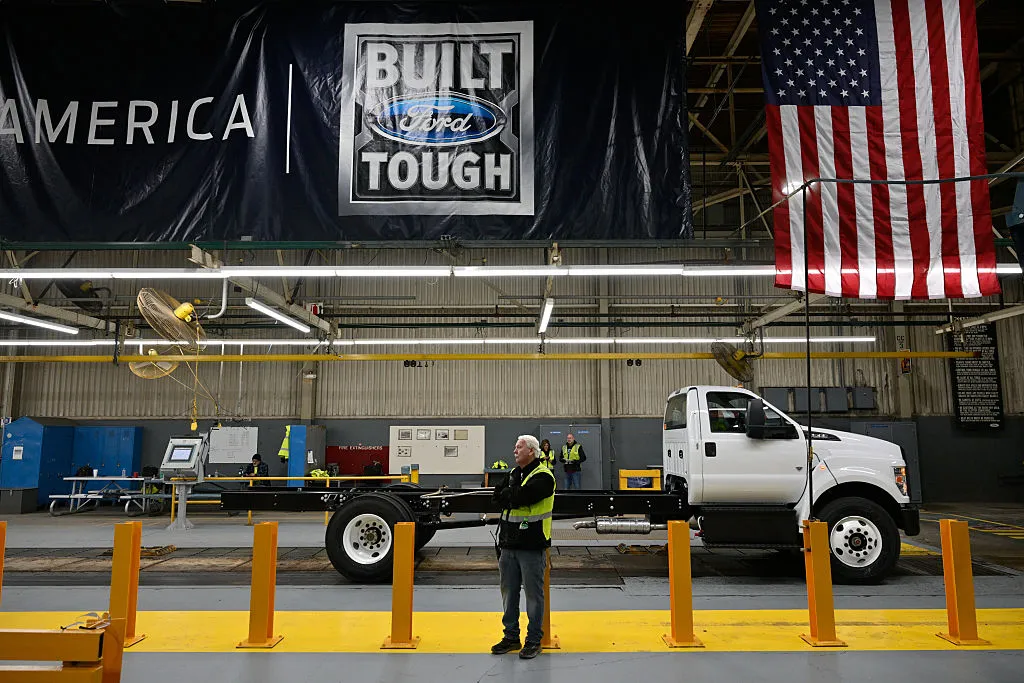
Image Credits:Bloomberg / Getty Images
Ford Rehires 350 Veteran Engineers to Enhance Quality
In a significant move to improve product quality, Ford has announced the hiring of 350 veteran engineers. These engineers include former employees and specialists from supplier companies, recruited after the company’s reliance on artificial intelligence (AI) and automated systems fell short of delivering the expected quality levels. This strategy marks a pivotal shift in Ford’s approach to quality control and product development.
The Shift Away from AI Dependency
As reported by Bloomberg, Ford’s Chief Operating Officer Kumar Galhotra highlighted that the company had been increasingly leaning on automated quality systems. Unfortunately, the outcomes of this reliance have been disappointing. In response, Ford has opted to bring back experienced technical specialists who can identify failure points early in the manufacturing process. These “gray beard” engineers will assess components before they reach the plant floor, reducing the likelihood of defects.
Galhotra’s comments illustrate the challenges posed by over-reliance on technology. “We thought that by just introducing artificial intelligence and ingesting the design requirements that we had, that would produce a high-quality product,” he noted. This belief, however, has proved to be mistaken, prompting a reconsideration of strategies moving forward.
Combining Experience with Innovation
The re-hiring of veteran engineers does not signify that Ford is abandoning its AI initiatives. Instead, the company aims to synergize the wisdom and experience of seasoned professionals with advanced technological tools. These experienced engineers will play a crucial role in mentoring younger employees while also reprogramming existing AI systems to better align with real-world manufacturing needs.
This approach underscores Ford’s commitment to integrating human expertise with technology, setting the stage for a more reliable quality assurance process in vehicle production.
Anticipated Cost Savings and Quality Improvements
The early signs suggest that bringing back veteran engineers is already yielding positive outcomes. Ford anticipates this strategy will lead to a substantial reduction in costs, estimating savings of up to $1 billion for the fiscal year. This financial impact could significantly strengthen Ford’s bottom line as it navigates a competitive market landscape.
Moreover, Ford has recently claimed the top position among mainstream brands in the JD Power Initial Quality Survey. This recognition underscores the effectiveness of the company’s revamped quality assurance strategies, signaling an upward trajectory in customer satisfaction and product reliability.
The Role of Experienced Engineers in Modern Manufacturing
The term “gray beard” engineers refers to those who bring years of experience and a wealth of knowledge to the table. Their expertise is invaluable, especially in a rapidly evolving automotive industry where quality standards are constantly shifting. By revisiting foundational quality principles, these engineers can impart critical insights to newer staff and assist in refining AI systems to foster better accuracy and efficiency.
Having professionals who have lived through various industry trends helps bridge the gap between traditional techniques and modern innovations. These veteran engineers are uniquely positioned to navigate complexities that automated systems might overlook, ensuring a holistic approach to quality control.
Future Implications for Ford
As Ford embarks on this journey of retraining and integrating experienced engineers, it sets a precedent for the entire automotive sector. The reliance on technology is undeniably crucial, but this case illustrates the importance of grounding technological advancements in human expertise. By valuing the insights of seasoned professionals, Ford is likely to create a more resilient and adaptive manufacturing environment.
The initiative also speaks to a broader trend within the industry about the balance between automation and human touch. While automation can enhance efficiency, the nuances of quality often require human oversight to detect and address issues preemptively.
Conclusion
Ford’s decision to hire 350 veteran engineers marks a strategic pivot back to a foundation of human expertise in engineering and quality assurance. By blending experienced professionals with cutting-edge AI technology, the automaker aims to not only reduce costs but also enhance the overall quality of its products. As evidenced by recent accolades and anticipated savings, this dual approach may pave the way for a more successful and sustainable future in the competitive automotive industry.
This strategy can serve as a case study for other companies grappling with similar issues of quality and efficiency. The balance between technology and human experience is not just a lesson for Ford but for the industry as a whole, as companies aim to innovate while still delivering high-quality products that meet consumer expectations.
Thanks for reading. Please let us know your thoughts and ideas in the comment section down below.
Source link
#Ford #rehires #gray #beard #engineers #falls #short
About The Author