

Uber’s Product Chief Discusses Hotels, Robotaxis, and Focused Business Strategy
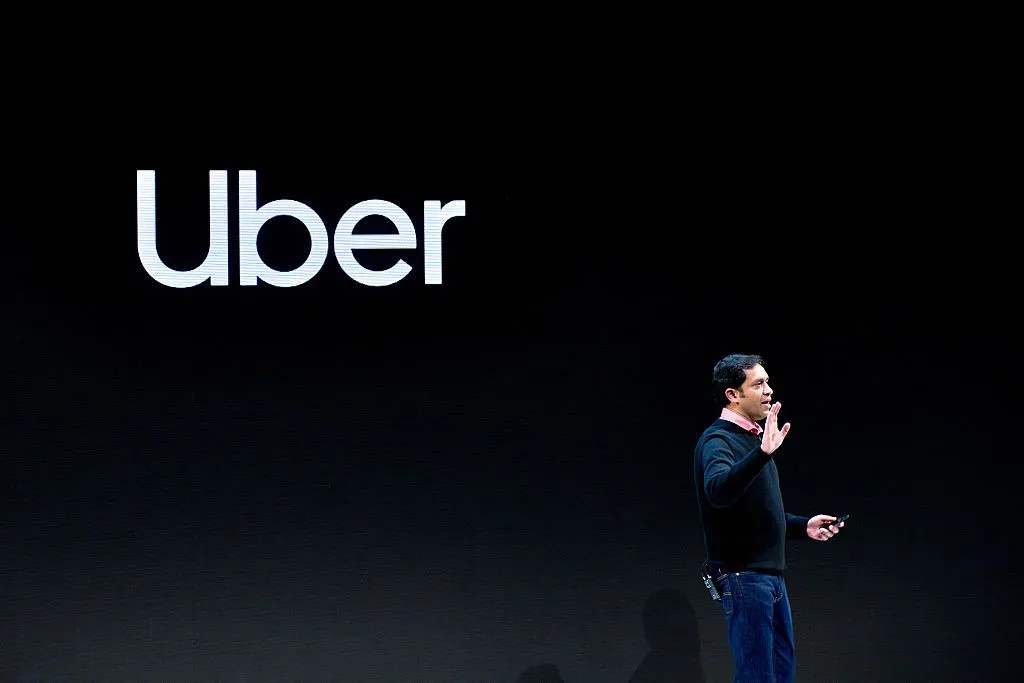
Image Credits:Gabby Jones/Bloomberg / Getty Images
Expanding Beyond Ride-Hailing: Uber’s New Ventures
Over the past year, Uber has been quietly broadening its horizons, extending beyond the two primary services most people recognize: ride-hailing and food delivery. Now, if you navigate the app, you’ll discover options for hotel bookings through Expedia, “shop for me” concierge services, and even boat rentals in Europe.
Innovations Under the Hood
Beneath the surface, several initiatives are in motion. These include debit cards for drivers, a side hustle for earners through data labeling, and a new unit called AV Labs. This division focuses on developing a fleet of sensor-equipped vehicles, independent from Uber’s standard driver network, aimed at collecting vast amounts of driving data. Uber positions this initiative as a way to deepen its partnerships with autonomous vehicle companies, where it holds equity in several, while also serving as a strategic buffer against direct competition.
Uber’s Journey to an “Everything App”
The question remains whether Uber will evolve into a comprehensive “everything app,” akin to successful Asian super-apps like Grab. In an interview, Uber’s Chief Product Officer, Sachin Kansal, shared insights into the company’s plans for financial services, its complicated relationship with Waymo, the AV Labs initiative, and how AI is entering everyday experiences for riders and drivers.
Travel and Concierge Features
Kansal explained the rationale behind the recent introduction of hotel bookings and boat rentals on the app. He highlighted that 1.5 billion annual trips occur outside users’ home cities, showcasing travel as a primary use case for Uber. The partnership with Expedia enabled the rollout of hotel bookings, but the travel experience encompasses much more. Riders need transportation to hotels and often opt for Uber Eats over room service, leading to the “shop for me” feature, which allows users to shop locally, regardless of whether a store is available on Uber Eats.
Financial Services Aspirations
Uber’s financial services strategy aims to cater to various stakeholders, including consumers, drivers, couriers, and merchants. Currently, they are testing products aimed primarily at drivers and couriers, like the Uber Pro card for earnings retrieval. Although consumer services are considered, their expansion may depend on market conditions. At present, the company offers Uber credits linked to its membership program, rewarding hotel bookings with cash back that can be utilized for rides and food.
Exploring Financing Products
When asked about the possibility of a buy now, pay later service, Kansal expressed caution. Although Uber has partnered with companies offering such services at checkout, they are careful to avoid overextending their reach. Their approach emphasizes not trying to be “everything to everyone.”
Partnering for Boat Rentals
The integration of boat rentals in Europe illustrates Uber’s willingness to collaborate. Instead of incorporating the entire booking experience into their app, they chose to partner, streamlining the process. While some services may have deeper integrations, this approach allows Uber to test new offerings without committing extensive resources upfront.
Membership Success and Cross-Selling
The Uber One membership product has seen impressive growth, boasting 51 million members and accounting for about half of the platform’s bookings. Kansal mentioned that data shows that users tend to increase engagement across Uber’s services through memberships. Regular delivery users are beginning to take advantage of rides, while mobility users are increasingly utilizing delivery services.
Profitability in Delivery Services
While early on, Uber Eats struggled for profitability, recent quarters have marked a turnaround, with the division achieving independent profitability. Kansal acknowledges the competitive landscape, mentioning rivals such as Lyft, Didi, and DoorDash, among others, but remains focused on delivering value to users instead of fixating on competitors.
Navigating Competition and Partnerships
Recently, Uber decided to end its pilot program with Waymo in Phoenix while scaling operations in Austin and Atlanta, where they collaborate with multiple autonomous vehicle partners. This decision reflects the complex nature of working with competitors in the same space. Kansal reiterated that Uber is not looking to become a leader in Level 4 autonomy but is focusing on creating a hybrid network that incorporates both human and autonomous vehicles to balance demand and supply.
The Role of AV Labs
Uber’s AV Labs is set to play a crucial role in enhancing the company’s offerings. By equipping hundreds of vehicles with sensors and collecting extensive driving data, Uber aims to address the challenges of autonomous driving, tackling diverse driving scenarios and operational nuances. The expertise gained from the company’s vast network of earners positions it uniquely to contribute valuable insights into the operational aspects of autonomous vehicle deployment.
Engaging with AI Technologies
AI integration into Uber’s platform is beginning to manifest in noticeable ways. For drivers, an earner assistant provides insights on how to optimize earnings, while on the Eats side, a grocery cart assistant expedites shopping requests. Riders can also use voice commands to simplify ride requests, enhancing the overall user experience.
Future Aspirations: Comprehensive Trip Planning
While Uber is not ready to roll out a fully automated trip planning feature, Kansal sees AI as a pivotal tool in simplifying the planning process for users in the future. The goal is to allow users to communicate their desires while the platform manages the underlying complexities, ensuring a seamless experience.
Prioritizing Product Development
As Chief Product Officer, Kansal dedicates a significant portion of his time to ensuring existing and upcoming products are robust and functional. He acknowledges the challenge of prioritizing among numerous ideas, stating that while many may seem promising, only a few will ultimately add value.
In conclusion, as Uber evolves from a ride-hailing service to a multifaceted platform, it continues to explore new markets and technologies. While many questions remain about the future of the app, its focus on enhancing user experience through innovation and strategic partnerships could pave the way for substantial growth and a comprehensive service offering.
Thanks for reading. Please let us know your thoughts and ideas in the comment section down below.
Source link
#Ubers #product #chief #hotels #robotaxis #company #doesnt
About The Author