
AI Hedge Fund Situational Awareness Keeps Anthropic Shares Despite Selling Public Portfolio
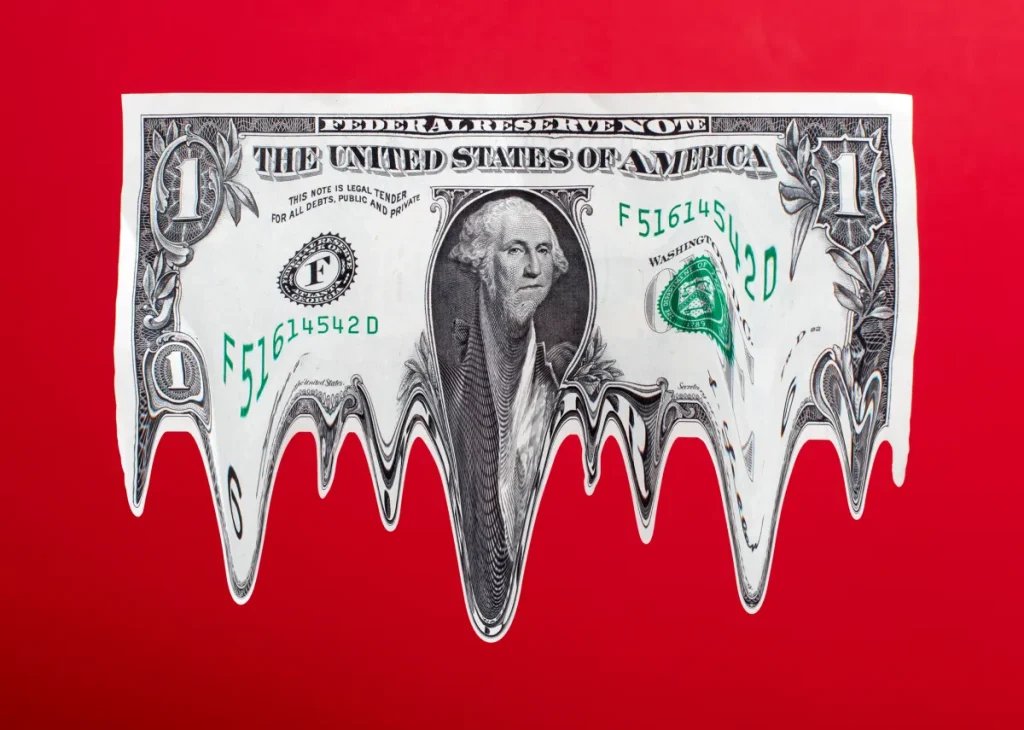
Image Credits:PM Images / Getty Images
Situational Awareness Hedge Fund Sells Majority Stake to Citadel Amid Losses
Situational Awareness, a hedge fund founded by former OpenAI researcher Leopold Aschenbrenner, has recently sold a significant portion of its public stock portfolio to Citadel, led by investor Ken Griffin. This strategic move comes in response to substantial losses over the past month, marking a notable decline for Aschenbrenner, who was previously seen as a rising star in the investment world.
Background of Leopold Aschenbrenner
At just 25 years old, Aschenbrenner has made a name for himself in the hedge fund arena despite having no prior trading experience before launching Situational Awareness in 2024. He gained visibility in the financial sector through his compelling investment thesis, articulated in essays that suggested a substantial scaling of AI technology would necessitate significant advancements in semiconductors, computing power, memory, and energy infrastructure.
Before embarking on his hedge fund journey, Aschenbrenner joined OpenAI’s “superalignment” team in 2023. His academic path was impressive; he graduated as valedictorian from Columbia University at the exceptionally young age of 19, having enrolled at just 15. However, his time at OpenAI was cut short when he was dismissed after a year due to an alleged improper disclosure of internal information. This occurred at a pivotal time, as the team he was a part of transitioned; co-founder Ilya Sutskever left to pursue his own venture, while AI researcher Jan Leike joined competitor Anthropic. Shortly thereafter, Aschenbrenner launched Situational Awareness.
The Rise and Fall of Situational Awareness
Situational Awareness initially enjoyed remarkable success, achieving a staggering 439% return by June of this year, as reported by the Financial Times. Assets under management skyrocketed to approximately $45 billion during its peak. However, the fund began to experience sharp declines in its positions, coinciding with a downturn in AI infrastructure investments.
Despite the mounting losses, Aschenbrenner remained optimistic. In a letter addressed to investors on July 24, he characterized the sell-off as one of the best buying opportunities since early last year, urging clients to invest additional capital starting August 1. Unfortunately for him, the appeal did not result in the expected influx of new investments, according to Bloomberg.
Hard-Hit Investments
The fund’s portfolio faced significant damage from a variety of critical stocks. Memory chip producers like SK Hynix and Sandisk, clean energy developer Bloom Energy, and cloud service provider Nebius Group all saw declines exceeding 30% within just a month. Public investor concern grew as capital expenditures in AI infrastructure did not convert into immediate revenue, amplifying the losses for Situational Awareness. The fund’s strategy also involved leverage, a tactic commonly employed by hedge funds to enhance returns but which heightened its exposure to downside risk.
Following the sale of a majority of its public holdings to Citadel, the overall assets of Situational Awareness plummeted to around $10 billion, down from approximately $20 billion in recent months, as reported by Bloomberg.
Early Backers and Funding
When Situational Awareness was launched, it raised several hundred million dollars from prominent investors. Among its early backers were the quant-trading firm Jane Street, Stripe co-founders Patrick and John Collison, and executives from Meta, including Daniel Gross and Nat Friedman. The backing from such recognizable names illustrated a strong belief in Aschenbrenner’s vision and investment philosophy.
Citadel’s Strategic Acquisition
Citadel’s acquisition of the majority of Situational Awareness’s holdings is consistent with its historical strategy of capitalizing on opportunities created when leveraged investors are forced to unwind their positions. Even before acquiring these assets, Citadel had invested in some of the same AI infrastructure, indicating that Griffin shares Aschenbrenner’s confidence in the eventual recovery of the sector.
Looking Ahead: Private Investments
Despite the sell-off of its public holdings, Situational Awareness has retained its investments in private companies. Notably, it continues to hold a stake in Anthropic, valued at approximately $5 billion. This stake is significant, especially given that Anthropic was recently valued at $965 billion during its Series H funding round in May. The startup is expected to go public as early as October, potentially yielding a higher valuation.
Another set of private investments includes chipmaker MatX and AI data center startup Fluidstack, the latter of which was reportedly in discussions to raise a new funding round at an estimated $18 billion valuation.
Conclusion
Situational Awareness has experienced a tumultuous year, facing both meteoric highs and significant lows. As Aschenbrenner navigates these challenges, the future will hinge on his ability to leverage his private investments and the broader market’s reaction to AI infrastructure’s evolution. Investors and analysts will closely watch how the hedge fund adapts in this rapidly changing landscape.
TechCrunch has reached out to Aschenbrenner for further comments as situations continue to develop.
When you purchase through links in our articles, we may earn a small commission. This doesn’t affect our editorial independence.
Thanks for reading. Please let us know your thoughts and ideas in the comment section down below.
Source link
#hedge #fund #Situational #Awareness #sold #public #portfolio #Anthropic #shares
About The Author