
Anthropic CEO: AI Backlash Represents a Core Crisis of Trust
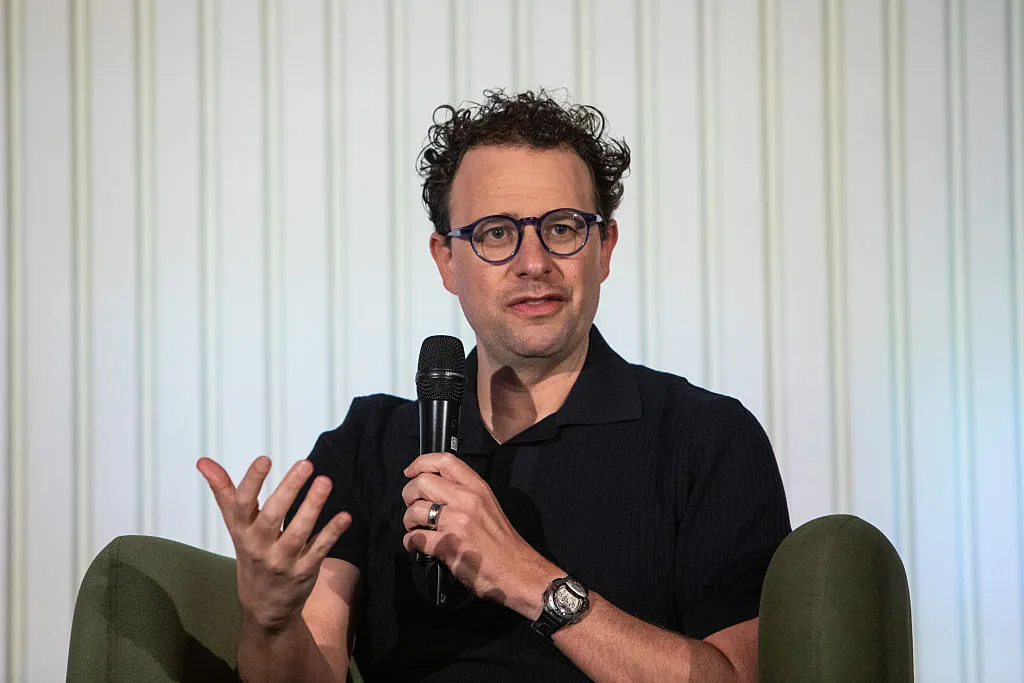
Image Credits:Samyukta Lakshmi/Bloomberg / Getty Images
Dario Amodei Defends His Views on AI Amid Criticism
Anthropic CEO Dario Amodei recently addressed criticism regarding his portrayal of artificial intelligence (AI) and its future implications. The comments were inspired by investor Gavin Baker, who claimed in various forums, including the All-In podcast and X, that Amodei’s warnings about AI risks have contributed to a growing backlash against the technology—and specifically against data centers in the United States.
The Critique of AI Regulation
Baker argued that Amodei has “lost the argument” concerning AI regulation, pointing out that Anthropic has supported certain regulations, such as a California bill mandating transparency from large AI companies. Given Amodei’s significant role in one of the most influential AI companies, Baker suggested that he should adopt a more optimistic stance toward the industry.
This perspective, however, is not unique. Many observers contend that skepticism towards AI, combined with potential government interventions, is a direct reaction to the stark warnings presented by leaders in the sector. In his own response, Amodei refuted the notion that his messaging has been overwhelmingly negative. He maintained that his discussions regarding AI have been balanced, covering both risks and benefits. He specifically referenced his essay, “Machines of Loving Grace,” as an attempt to showcase the transformative potential of AI technology.
Understanding Public Perception of AI
Despite advocating for a balanced view, Amodei acknowledged the prevalent negative sentiment towards AI in public perception, labeling it a significant issue. However, he disputed the claim that he or other AI leaders are the main contributors to this viewpoint. “I think it is fundamentally a crisis of trust,” he asserted, emphasizing that many people are skeptical of corporations, governments, and the tech industry. This skepticism stems from longstanding feelings that these entities may be devising ways to exploit the public.
Amodei conveyed that the AI backlash is part of a longer historical trend, indicating widespread distrust that has evolved over decades.
Accountability for AI Promises
Reflecting on criticism directed at AI companies, Amodei stated, “The most accurate criticism is that we haven’t yet delivered on our big promises to benefit the world.” He stressed that the focus should not solely be on messaging or marketing but rather on the industry’s commitment to fulfill its ambitious promises. He explained that assertions like AI’s capability to “cure cancer” have become more cliched than inspiring, suggesting that tangible accomplishments, such as actual breakthroughs in health, would shift public opinion more convincingly than rhetoric.
The Complexity of AI Regulation
In discussing regulation, Amodei challenged Baker’s characterization of a binary choice: either unleash AI without oversight or restrict it to a handful of powerful companies. “I know that there’s a sort of Silicon Valley shorthand where regulation equals regulatory capture and concentration of power,” he stated, pointing out that such a view is overly simplistic. Many outside the tech sphere perceive regulation as a means to limit corporate power and serve the interests of the public.
While Amodei doesn’t wholly endorse this perspective, he indicated that Anthropic’s policy proposals are intentionally crafted to slow down large competitive firms while benefiting smaller competitors. This approach aims to mitigate the inherent risks associated with AI technology’s concentration of power.
The Importance of New Regulatory Approaches
Amodei articulated that AI, by its very nature, tends to centralize power, which poses risks. He argued that while open-weight models partially address these issues, they do not fully resolve the underlying problem. “They simply shift the concentration somewhat to those with the most compute and chip,” he explained.
He proposed a more nuanced set of “rules of the road” that could effectively tackle AI-related risks, including cybersecurity and alignment challenges, while simultaneously regulating powerful AI enterprises and accommodating open-weight models. By doing so, he contended, it is possible to address the unique risks posed by such models without stifling innovation.
Conclusion
In summary, Dario Amodei’s defense of his views on artificial intelligence encapsulates a nuanced discussion about the balance between acknowledging risks and celebrating the transformative potential of AI. He encourages a shift in focus toward genuine accountability within the industry, challenging the perceptions and regulatory frameworks that govern AI today. As the conversation around AI continues to evolve, the challenge remains to foster a culture of trust and transparency while navigating the complexities of this powerful technology.
Thanks for reading. Please let us know your thoughts and ideas in the comment section down below.
Source link
#Anthropic #CEO #backlash #fundamentally #crisis #trust
About The Author