
India’s Ringg Secures Peak XV Support to Expand Voice AI Beyond Phone Calls
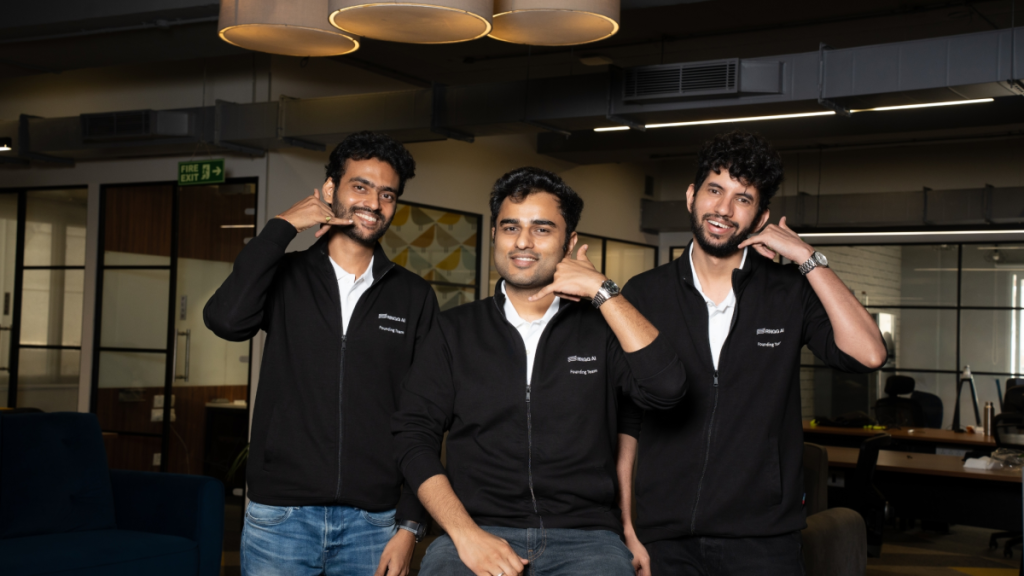
Image Credits:Ringg
Rise of Voice AI in India: Ringg’s Success Story
According to a recent study by Truecaller, more than 76% of consumers in India prefer communicating with businesses via phone calls. This strong preference for voice communication presents a lucrative opportunity for automation in support and outreach through voice AI technology. One of the trailblazers in this space is Ringg, a voice AI startup that currently handles an impressive 20 million call attempts monthly. With this continuous growth, Ringg has recently secured an additional $10 million in funding, anticipating sustained demand in the months ahead.
Funding Expansion and Growth
Ringg announced today that it has raised $10 million from Peak XV Partners, expanding its ongoing Series A funding round. Earlier this year, the startup secured $5.5 million, bringing the total Series A funding to $15.5 million. This financial backing is a testament to investor confidence in the company’s potential for growth and innovation.
Evolution from DesiVocal to Ringg
Initially, Ringg operated under the name DesiVocal as a text-to-speech startup. However, the founders soon recognized that developing their own speech models was prohibitively expensive. They pivoted to create voice AI agents tailored for enterprises. This strategic move paid off, with Indian fintech company Cred becoming Ringg’s first client. Since then, the startup has forged partnerships with notable Indian brands, including Flipkart, Practo, Groww, and PolicyBazaar.
Co-founder Siddharth Tripathi explained that the company began by focusing on high-volume, low-complexity tasks such as outbound calling, lead qualification, and loan collection. However, they quickly realized that these services lacked customer loyalty and were often price-driven, motivating them to explore more complex workflows.
Targeting Complex Workflows
While Ringg continues to address simpler use cases, the company aims to delve into more intricate tasks. These include appointment bookings for healthcare clinics, abandoned-cart recovery for e-commerce, and onboarding/KYC (Know Your Customer) processes for fintech applications. For example, Ringg’s voice AI agents now operate across 1,200 clinics in partnership with Practo, enabling patients to schedule appointments and receive follow-up care instructions.
Voice communication still accounts for over 70% of Ringg’s operations. However, the company is expanding into other communication channels such as chat and WhatsApp. For example, they are implementing automated browser-based support for clients like Shell, further diversifying their service offerings.
A Shift in Perspective
Siddharth Tripathi emphasized that Ringg strives to position itself as a comprehensive platform that facilitates meaningful outcomes rather than merely acting as a voice agent for enterprises. This goal underscores the importance of adapting to changing customer needs and leveraging advanced technologies.
Most of Ringg’s clientele are based in India, although they have a small presence in the Middle East and the U.S. Instead of directly approaching U.S. companies, Ringg aims to collaborate with Global Capability Centers in India—offshore hubs that multinational corporations utilize for back-office and support tasks. This strategy allows Ringg to offer automation functionalities in tandem with human support, optimizing both efficiency and customer experience.
Technical Prowess and Future Plans
Ringg is committed to building its own speech recognition and generation models, with aspirations to capture the entire voice technology stack, including infrastructure and deployment. However, for the time being, this goal remains financially ambitious, leading the company to serve as an orchestration layer that directs tasks to various models based on specific use cases.
Rishen Kapoor, a principal at Peak XV, remarked on Ringg’s technical depth, which stemmed from its origins as a research lab dedicated to model development. This technical expertise uniquely positions Ringg to manage intricate enterprise workflows effectively, ensuring high-quality and consistent outcomes for tasks like merchant onboarding and tier-one support.
The Competitive Landscape of Voice AI in India
The voice AI sector in India is becoming increasingly competitive. Companies like Deepgram, ElevenLabs, Cartesia, and local contenders such as Sarvam and Smallest.ai are competing for market share. Additionally, orchestration-focused startups like Bolna and Blue Machines are positioning themselves in the same domain as Ringg, while others like Gnani and Arrowhead focus specifically on the financial sector.
This multi-layered ecosystem—including model makers, orchestrators, and application-focused players—highlights a critical trend. The real opportunity lies with those who can establish lasting customer relationships and deliver tangible outcomes.
The Future of Ringg
Currently, Ringg employs 40 staff members, having onboarded over 15 new employees in the last three months alone. The startup is actively searching for forward-deployed engineers who combine technical capabilities with product management skills, as well as researchers aiming to reduce operational costs related to running their models.
As Ringg continues its ambitious journey to redefine voice AI in India, the company exemplifies how innovation and adaptability can unlock significant market opportunities. By focusing on complex workflows and expanding into various channels, Ringg is well-positioned to capitalize on the growing demand for voice-based services in the nation. With its recent funding and strategic direction, the future looks promising for this voice AI pioneer.
When you purchase through links in our articles, we may earn a small commission. This doesn’t affect our editorial independence.
Thanks for reading. Please let us know your thoughts and ideas in the comment section down below.
Source link
#Indias #Ringg #backing #Peak #pushes #voice #phone #call
About The Author