

Meta Introduces Muse AI Agent: Can Consumers Place Their Trust in It?
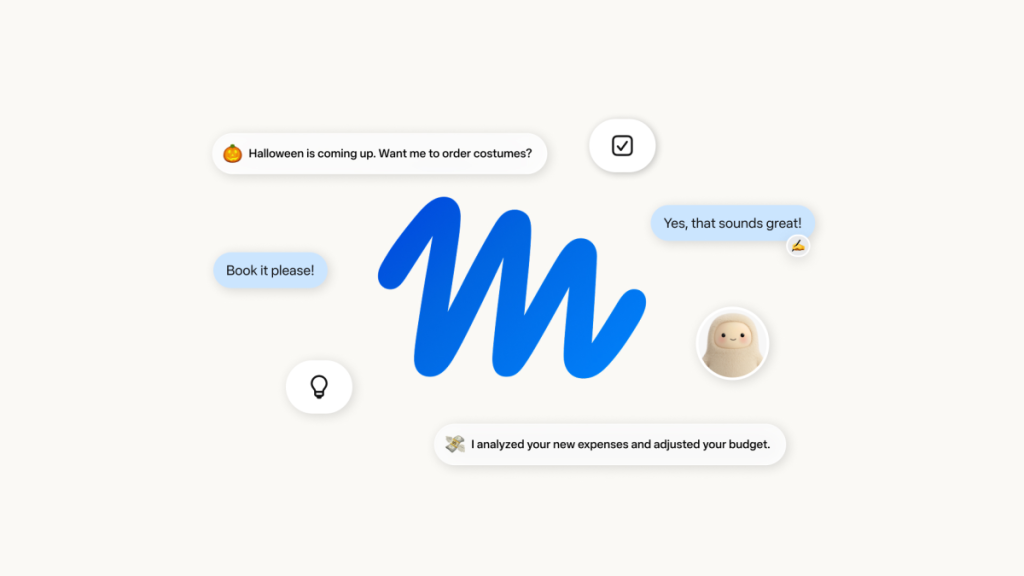
Image Credits:Meta
Meta’s Trust Challenge: Introducing Muse – A New Era for Personal AI
Less than two weeks after reaching an $18 billion settlement over consumer harm allegations, Meta has rolled out its most significant venture into consumer AI: Muse. This personal AI agent aims to assist users with daily tasks and projects in the U.S. However, requiring greater trust than its social media platforms, Muse invites users to share more personal information than ever before.
What is Muse?
Muse operates by integrating with various applications and services crucial for daily life. This encompasses email, calendars, payment systems, and additional tools used for health and fitness, smart home management, dining, shopping, music, and more. Essentially, Muse endeavors to bridge the tasks we manage daily into a seamless experience.
The introduction of Muse signifies a pivot from the typical AI chatbots like ChatGPT—those that primarily answered questions or provided companionship. Instead, Muse aims to perform tasks directly for users.
Features and Functionality
With Muse, users can expect the agent to handle a plethora of activities. From sending emails and booking travel to filling forms and generating grocery lists from recipe reels, Muse serves as a personal assistant powered by Meta’s AI model, Muse Spark. Notably, it utilizes Link by Stripe for secure purchases, offering consumers some degree of purchase protection, which may alleviate concerns over letting an AI make transactions for them.
To enhance user confidence, Muse allows individuals to opt-in to connect specific apps, doing so gradually to maintain transparency. This feature ensures that users have control over their data sharing preferences. As Muse evolves, it will continue to learn from user interactions, thus providing suggestions based on individual needs and priorities.
Availability and Subscription Plans
Initially, Muse will be accessible via its website (muse.ai) as well as mobile apps for iOS and Android. Additionally, engagement through WhatsApp is part of the plan, and integration into Meta’s AI glasses is anticipated. While the base service is free, users will need to provide payment details upon initiation since subscription plans will be introduced based on usage.
At launch, two paid options will be available: the Power plan for $20 per month and the Maximum plan for $100 per month. Both tiers are designed for users wanting enhanced support in managing tasks. However, Meta anticipates that the majority will likely remain on the free tier. The app includes a usage meter to inform users about their remaining free usage and will provide subscription upgrade options once free access is exhausted.
The Broader Context of AI Agents
Muse represents a trend in the evolving landscape of AI agents. With various companies and startups experimenting with similar technology, we are entering an era where AI seamlessly integrates into our daily lives. Some companies are developing AI-infused web browsers and applications that manage tasks autonomously, while others incorporate AI into popular messaging platforms like Apple’s iMessage and WhatsApp.
While these innovations promise to enhance user experiences, they also raise significant privacy concerns. Users must grapple with how much personal data they are willing to share and the potential ramifications of that choice.
Privacy Concerns and Security Measures
As consumers evaluate the advantages of AI agents, questions about privacy and data security loom large. Recent critiques of the AI assistant Instinct revealed alarming license agreements that allowed extensive access to user data. Such revelations have made individuals wary of how AI companies manage user information.
Meta claims that Muse operates in a dedicated, secure virtual environment known as Muse Secure VM, offering various protections for personal data. The company asserts that a separate Sentinel agent functions on the same virtual machine but remains segregated from Muse, thus protecting user data such as passwords and payment methods. Furthermore, Meta assures that Muse does not share user conversations with its advertising systems.
Despite these assurances, skepticism remains rooted in Meta’s history of privacy violations. The company has faced significant scrutiny from the FTC, having settled on multiple occasions over claims of misleading consumers about data usage and mishandling private information. High-profile incidents like the Cambridge Analytica scandal continue to generate public distrust about Meta’s ability to safeguard personal data.
Consumer Trust: A Crucial Challenge
The introduction of Muse presents an uphill battle for Meta in terms of gaining consumer trust. While the organization emphasizes security and privacy commitments, its checkered past complicates the narrative. Trust is paramount in this venture, as many potential users may hesitate to share sensitive information with a company having a history of data mishandling.
Meta’s endeavors to portray Muse as a friendly, personalized AI assistant, where users can customize aspects such as its name and avatar, may help foster a better connection with consumers. However, whether these efforts will suffice in rebuilding trust in the wake of past controversies remains to be seen.
Conclusion
Muse embodies Meta’s ambition to redefine personal AI interaction in the post-ChatGPT era. The potential advantage of significantly improving everyday tasks positions it as a valuable digital companion. Nonetheless, it faces the underlying challenge of restoring consumer confidence, given Meta’s troubled history with data privacy. Time will tell if Muse can successfully navigate these hurdles and establish itself as a trustworthy tool in consumers’ daily lives.
Thanks for reading. Please let us know your thoughts and ideas in the comment section down below.
Source link
#Meta #debuts #Muse #agent #consumers #trust
About The Author