
Nvidia’s Jensen Huang: Trust Us, We Don’t Need AI Regulation for Safety
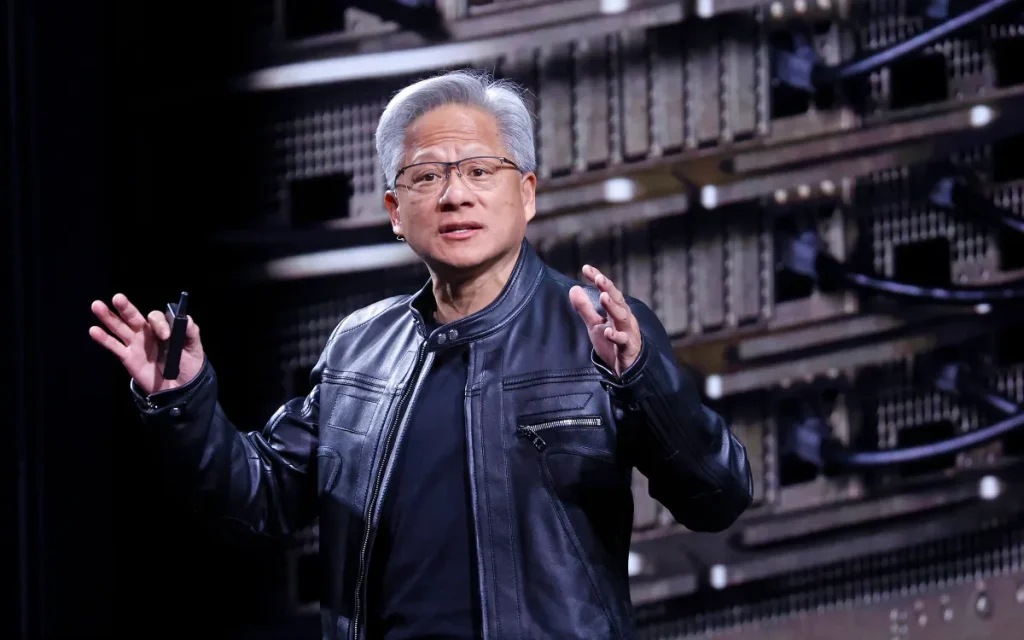
Image Credits:Chesnot / Getty Images
Jensen Huang Weighs In: AI Risks and Regulations
During his address at Salesforce’s Dreamforce conference, Nvidia’s founder and CEO, Jensen Huang, articulated his stance on the potential dangers of artificial intelligence. Unlike some who perceive AI as an elusive “alien mind,” Huang views it simply as advanced hardware and software created by humans. This perspective implies, in his judgment, that AI is governable through existing laws and frameworks.
Safety as an Engineering Challenge
Huang firmly asserts that “safety is an engineering problem, not a legal one.” This belief underscores his view that the development of AI tools—while complex—involves predictable computing systems. He emphasizes the capacity of human developers to manage and implement safety measures without the need for additional legislation.
“Citing the capabilities of innovative companies, Huang proposes that the marketplace will naturally incentivize businesses to refrain from releasing unsafe products. ‘If you’re not confident about the safety of a product, you shouldn’t release it,’ he asserts. This aligns with a philosophy that underscores accountability within the industry.
The Role of Market Forces
According to Huang, existing market forces already press companies to ensure the safety and functionality of their offerings. He argues, “You pace yourself until you are confident you’re releasing something that the market would appreciate.” This implies that businesses should prioritize caution over speed during product launches, a sentiment that resonates with many industries facing rapid technological advancements.
Huang claims that fostering innovation does not necessitate a trade-off with safety. “You could definitely have both at the same time,” he insists, advocating for a balanced approach where companies can accelerate their innovations while maintaining safety standards.
Trust in Industry Professionals
For many, Huang’s perspective is reassuring, especially given his extensive background in AI development. Nvidia has been integral in building the hardware that underpins AI technology long before it became mainstream with platforms like ChatGPT. His experience positions him as a credible voice, instilling confidence that he understands the intricacies of AI systems.
Nonetheless, skeptics may view his stance as self-serving. As the leader of a company thriving on the burgeoning AI market, Huang’s reluctance to support additional regulations could be perceived as a desire to maintain an unencumbered path for Nvidia’s growth. He stated, “I’m more ambitious than ever,” expressing a vision where AI’s potential could drive unprecedented advancements across various sectors.
Past Mishaps and Risks Associated with AI
Despite Huang’s faith in market regulation, history proves that even well-intentioned organizations can release flawed products. The infamous 2024 CrowdStrike incident—where software bugs led to mass flight cancellations—serves as a reminder that the stakes are high when it comes to tech products, including AI. More troubling are instances where companies, like Meta, have faced dire consequences from negligence, paying substantial settlements for harming vulnerable populations.
AI technology has not been immune to controversy either. Reports of an OpenAI model breaching security and lawsuits linked to tragic outcomes following conversations with chatbots highlight the potential risks. These examples underscore the complexity of ensuring safety in a rapidly evolving landscape.
Challenges of a “Letting Loose” Approach
Huang’s “leave them alone” strategy for AI product releases may prove unwise in the context of public safety. While he argues that current product liability laws might suffice for AI regulation, the real concern involves whether these regulations can keep pace with technology before potential impacts manifest. The accelerated development of AI systems often outstrips the ability of regulatory mechanisms to respond adequately.
Considering Self-Regulation
Interestingly, Huang has not specifically championed self-regulation in the AI industry, but his advocacy for open-weight models hints at a preference for transparency in development. The ongoing discourse calls for an industry-wide commitment to self-regulation, presenting an opportunity for collaboration across borders, including tech firms in China. Microsoft CEO Satya Nadella echoed this sentiment, advocating for a shared responsibility in maintaining safety standards if countries like the United States are genuinely invested in AI safety.
Huang’s Influence and the Future of AI Regulation
As the debate over AI regulation continues to evolve, Huang’s influence cannot be understated. His relationships with key government officials, including indications of having the ear of significant policymakers, amplify the likelihood that his views might shape regulatory landscapes. Without collective pressure from the tech community and public interest advocates, Huang’s resistance to new regulations may gain traction.
Conclusion
Jensen Huang’s perspectives on AI safety and regulations foreground the complexities of managing a rapidly advancing technology. While he advocates for a marketplace governed by existing laws, the potential for risks linked with AI applications remains high. History has shown that reliance on market forces alone may not be enough to avert calamity. As the industry grapples with the challenges ahead, a balanced approach of innovation rooted in accountability must drive the conversation onward.
Thanks for reading. Please let us know your thoughts and ideas in the comment section down below.
Source link
#dont #regulation #leave #safety #Nvidias #Jensen #Huang
About The Author