
Apple Store architect dismisses Silicon Valley’s investment in AI shopping trends.
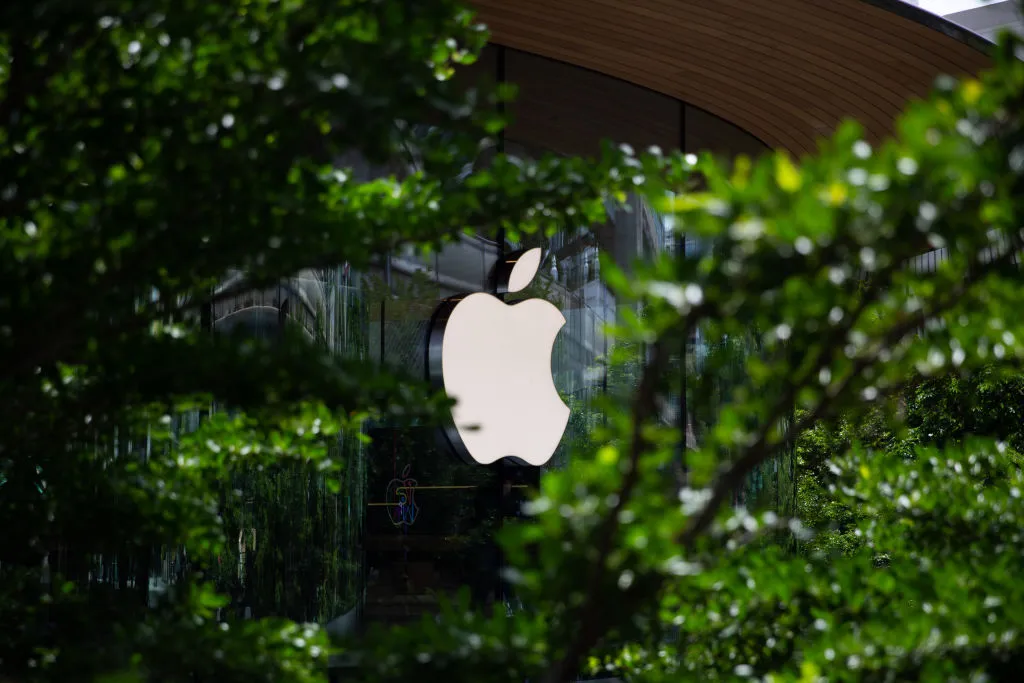
Image Credits:Lauren DeCicca / Stringer / Getty Images
The Future of Shopping: Insights from Ron Johnson on AI and Retail
As Silicon Valley invests billions into developing AI agents to revolutionize shopping, Ron Johnson, the pioneer behind Apple’s iconic retail stores, argues that this trend may be overstated. At 66, Johnson has witnessed multiple predictions about the decline of physical retail, having joined Apple in 2000 to enhance its retail operations right as online shopping surged in popularity. His experiences make him a credible voice in the ongoing conversation about the evolution of shopping habits.
AI’s Role in Online Shopping
In a recent interview, Johnson shared his perspective on the integration of AI in retail. He acknowledged that while AI technologies could enhance the online shopping experience, he remains skeptical about whether they will fundamentally shift consumer behavior. “AI is a new technology that will improve the online shopping experience,” he stated. “But I don’t know that it’s going to change which way we shop.”
Johnson’s apprehension comes amid a wave of technological innovations from major tech corporations. Firms like Google are advancing AI’s role in shopping through initiatives like the Universal Commerce Protocol, which aims to streamline consumers’ journey from discovery to purchase. Similarly, OpenAI is transforming ChatGPT into an interactive shopping platform, enabling users to explore products and make purchases without needing to leave the interface.
The Personal Touch in Purchasing Decisions
When asked if he could envision someone allowing an AI agent to choose and purchase a $1,000 or $2,000 laptop without navigating a website or visiting a store, Johnson did not hesitate: “Honestly, nobody’s going to do that.” He emphasized the personal nature of such a purchase, noting that buyers prefer to physically engage with the product—feeling its weight, observing the display, and selecting a suitable size. “AI will never be able to have you physically experience a product,” he added.
Instead, Johnson believes AI’s role will be to enhance consumer awareness prior to in-store visits. “They’ll just become more informed shoppers when they come to the store,” he predicts, positioning AI as a supportive tool rather than a replacement for human interaction.
The Legacy of Apple Retail
Johnson’s insights are shaped by his experiences at Apple, where the retail environment was crafted not just for sales but as a platform for consumer education and assistance. Apple Stores were envisioned as spaces where customers could experiment with products, learn how to utilize them, and seek help when issues arose. These concepts are revisited in Johnson’s new book, “Shop Different: How Retail Revealed Apple’s Genius,” where he explores the strategies that propelled Apple’s retail success alongside Steve Jobs.
He observes that many competitors attempted to replicate Apple’s aesthetic—think glass designs and open layouts—including the Genius Bar concept—yet often overlooked the integral role of customer service. “The secret sauce for Apple has always been its people, the people in the store, and how they treat the customer,” Johnson commented.
Rethinking Retail Strategies
Johnson points out a significant distinction between Apple’s retail success and his later experiences at J.C. Penney, where he attempted to implement a radical transformation in 2011. Tasked with revamping the ailing department store, Johnson’s bold changes failed to resonate within the company, leading to his dismissal less than two years later. He reflects, “I applied a startup mentality to what needed to be a turnaround transformation,” recognizing that J.C. Penney required a more nuanced approach.
After his time at J.C. Penney, Johnson ventured into the startup arena again, founding Enjoy Technology, which aimed to deliver technology products and setup services to customers’ homes. Unfortunately, this venture filed for bankruptcy in 2022 and sold off most of its assets to Asurion.
An Optimistic View of AI
Despite his skepticism towards AI as a tool for replacing traditional shopping experiences, Johnson expresses a strong belief in the technology’s potential. “I’m a real believer in AI. I’m an AI optimist,” he affirmed. He contends that Steve Jobs would have recognized AI’s transformative capabilities but would not have viewed it as a replacement for human intuition. “There’s no substitute for human intuition,” Johnson remarked, highlighting Jobs’ belief in collaborative problem-solving as key to innovative thinking.
Conclusion: The Endurance of Physical Retail
As AI technology continues to unfold, the question remains: will it fundamentally transform the retail landscape? Johnson’s insights suggest a more tempered outlook—a belief in coexistence rather than replacement. Physical retail, as evidenced by Apple’s success, thrives on human connection, personal experiences, and informed service, elements that AI cannot replicate.
While AI may streamline certain processes and enhance the online shopping experience, the enduring appeal of tactile interactions and personalized customer service ensures that physical retail will continue to hold its ground. The future of shopping may lie in a hybrid model where online convenience meets the invaluable human connection that only physical stores provide.
Thanks for reading. Please let us know your thoughts and ideas in the comment section down below.
Source link
#man #built #Apples #stores #doesnt #buy #Silicon #Valleys #bet #shopping
About The Author