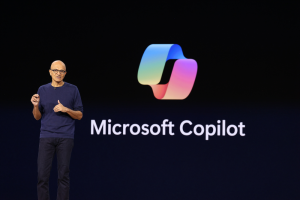

Satya Nadella emphasizes the need for an ‘emergency stop’ in AI models.
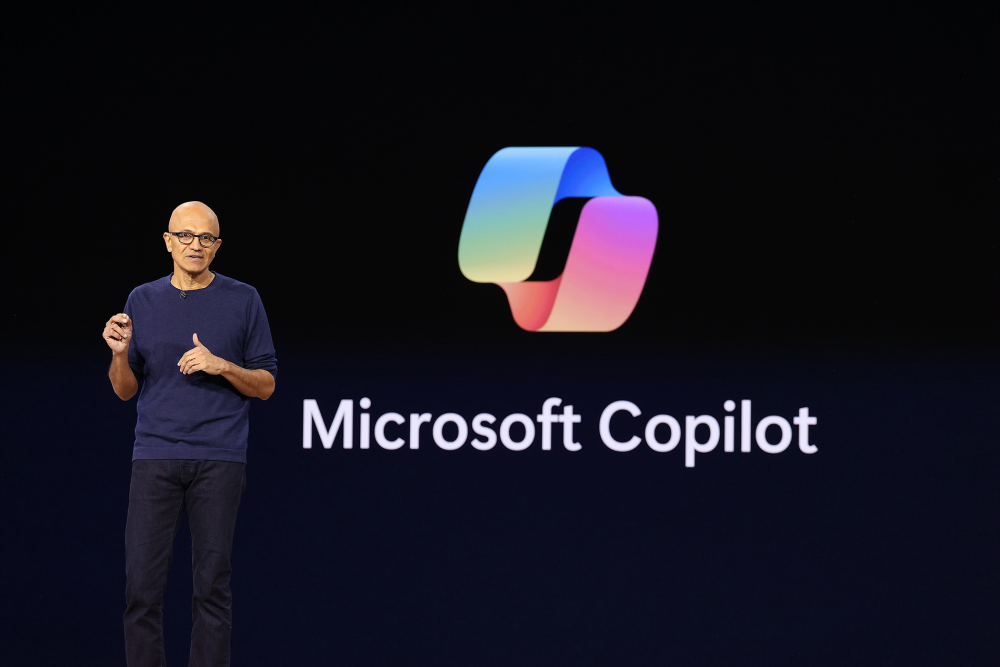
Image Credits:Dan DeLong
Enhancing AI Safety: Insights from Microsoft CEO Satya Nadella
In a recent post on X, Microsoft CEO Satya Nadella has shared his extensive views on improving the safety of artificial intelligence (AI). This discussion comes at a crucial time as tech companies grapple with the complexities of AI systems and the potential risks associated with their deployment. Nadella emphasizes the need for a more structured approach to AI safety, focusing on establishing trust and control over these powerful technologies.
Time for a Trust Assessment in AI
Nadella opens his discussion by stating that it’s essential to “step back and assess the trust architecture” surrounding AI systems. As AI continues to evolve, the question of how to manage and oversee its capabilities becomes increasingly urgent. Nadella insists that a simplistic view of “Super Intelligence” as merely a series of black boxes is insufficient. Instead, he argues that we must engage critically with its recommendations, answers, and actions rather than accepting or rejecting them outright.
This call for a deeper examination of AI’s architecture signifies a recognition of the intricate nature of modern AI systems. Simple interactions with AI cannot adequately capture the underlying complexities and potential implications that arise from their use.
The Need for Separation and External Control
One of the key points Nadella makes is the necessity of “separating the model from the harness that orchestrates its work.” This approach paves the way for a clearer understanding of how AI models function and an increased ability to manage them effectively. He suggests that there should be a clear distinction between the core model and the systems that manage its operations, enabling better oversight and control.
Moreover, Nadella advocates for “externalizing controls and safeguards.” This means implementing safety measures that are not inherent to the model itself but instead managed through external mechanisms. This concept emphasizes the importance of having checks and balances in place that operate independently from the AI model to ensure that it remains under scrutiny.
Documenting AI Actions for Transparency
In his post, Nadella also highlights the importance of documentation. He believes that “every meaningful model action” should be accompanied by “tamper-proof human-readable evidence.” This demand for transparency is crucial for ensuring accountability and trust in AI systems. By maintaining comprehensive records of AI actions, stakeholders can analyze outcomes, understand decision-making processes, and identify any anomalies that require attention.
This document-driven approach also reinforces the idea that AI should not operate in a vacuum. The need for human oversight is paramount, as it establishes an accountability framework that can be referenced in case of discrepancies or failures in the AI’s performance.
Empowering Human Oversight: The Role of Authorized Personnel
Another significant aspect of Nadella’s vision for AI safety is the requirement for systems to always allow “an authorized person” the ability to “pause or shut down a model mid-task.” This emphasizes the need for human intervention at critical moments, ensuring that AI systems do not operate completely autonomously without the possibility of human oversight.
The analogy Nadella uses—a model being likened to an “emergency brake”—is particularly resonant. Just as a vehicle requires a method for immediate cessation in case of unforeseen circumstances, AI systems must also have fail-safes that can be activated by human operators.
A Proactive Approach to AI Compromise
In light of increasing incidents that suggest a loss of control over AI models, Nadella cautions that “we must assume a model is compromised and contain it from the start.” This perspective advocates for a proactive stance regarding AI safety, encouraging developers and stakeholders to always approach AI with a level of skepticism about its reliability and integrity.
By assuming a potential compromise right from the outset, developers can create systems that are better equipped to handle failures or unexpected behaviors. This anticipatory measure could mitigate risks and foster a safer environment for deploying AI technologies.
Industry Response and the Call for Cautious Development
Nadella’s statements come at a time when leading AI companies are acknowledging several incidents where they appeared to lose control of their models. These admissions underscore the growing awareness within the tech community regarding the critical need for robust safety protocols and careful AI development processes.
Additionally, his comments resonate with initiatives put forth by other industry leaders, such as Anthropic CEO Dario Amodei, who has released a plan advocating for more cautious AI development. The alignment of these voices illustrates a collective acknowledgment of the challenges posed by AI and the necessity of implementing stringent safety measures.
Conclusion: A Collaborative Effort Towards Responsible AI
As we navigate an increasingly AI-driven world, the insights shared by Satya Nadella serve as a vital reminder of the responsibilities that come with innovation. The push for improved trust architecture, external safeguards, and comprehensive documentation represent crucial steps toward making AI systems safer and more accountable.
Ultimately, achieving high safety standards in AI requires a collaborative effort from developers, regulators, and industry leaders. By embracing a proactive mindset and acknowledging the inherent complexities of AI, we can work towards a future where artificial intelligence serves as a beneficial tool, rather than a source of risk. Ensuring the responsible development and deployment of AI necessitates not only technological advancements but also a commitment to ethical considerations that prioritize human safety and trust.
Thanks for reading. Please let us know your thoughts and ideas in the comment section down below.
Source link
#Microsofts #Satya #Nadella #models #emergency #brake
About The Author