
YouTube Music introduces new labels amid surge of AI-generated music on streaming services.
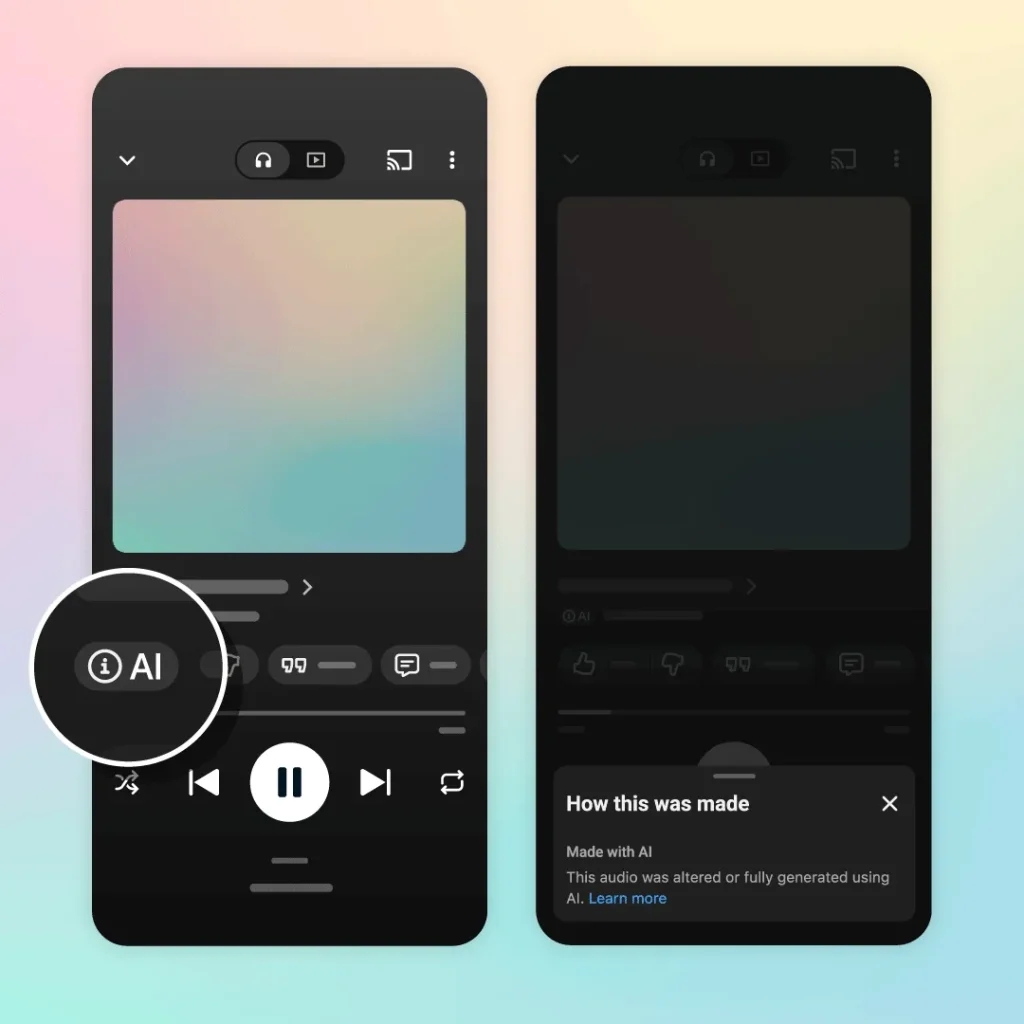
Image Credits:YouTube Music
YouTube Music Introduces AI Labeling System for Transparency
YouTube Music has announced the launch of a new labeling system designed to enhance transparency regarding songs developed with generative AI. This innovative feature will enable listeners to quickly identify tracks that incorporate artificial intelligence, whether in composition, vocals, or both.
Understanding the New AI Labels
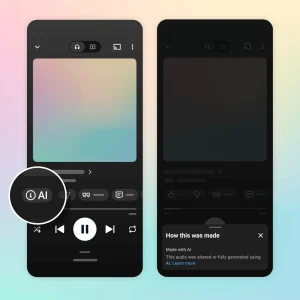
The AI labels will be prominently displayed on the player page of each song. When users click on the label, they will gain access to detailed information about the specific contribution of AI in the song’s creation process. This initiative marks an important step in fostering transparency within the music industry, allowing fans and listeners to make informed choices about the music they consume.
Importantly, these AI labels will also be available on the main YouTube platform, broadening their reach beyond just YouTube Music. This initiative demonstrates YouTube’s commitment to providing clear information about the role of AI in music production, a topic that is becoming increasingly relevant as AI technology becomes more integrated into the creative process.
Collaboration for Enhanced Detection
In conjunction with the rollout of this labeling system, YouTube has collaborated with various music industry partners and utilized its own detection tools to accurately identify music created with generative AI. According to YouTube’s help page, music partners can categorize their works based on the extent to which generative AI was used. This categorization includes three distinct designations: Fully Gen AI, Partly Gen AI, and No Gen AI.
- Fully Gen AI is applicable to tracks that are entirely generated by artificial intelligence.
- Partly Gen AI refers to songs in which artists have blended AI-generated elements with their own live performances.
- No Gen AI includes tracks that utilize pitch-correction tools such as Auto-Tune, indicating minimal to no AI involvement.
This categorization system aims to provide listeners with clarity regarding how a song was produced, enabling them to understand the extent of AI’s influence on their favorite tracks.
The Growing Trend of AI-Generated Music
The introduction of YouTube’s labeling system comes at a time when AI-generated music is rapidly gaining traction across various streaming platforms. Numerous services are currently exploring their own strategies to address this growing trend. For example, Apple Music has announced plans to implement “Made With AI” labels as part of its AI Transparency Tags later this year, while Spotify has also introduced AI labels alongside a music spam filter.
Deezer has taken a more stringent approach, reporting in July that it receives close to 90,000 fully AI-generated tracks on a daily basis. This platform not only identifies AI-generated music but also excludes such tracks from algorithmic recommendations and editorial playlists. Additionally, Deezer withholds royalties from streams deemed fraudulent and is working towards enabling users to filter out AI-generated content.
Similarly, TIDAL adopts a clear labeling strategy, marking tracks that are entirely AI-generated. Listeners are given the option to disable these recordings, and TIDAL also ensures that they are excluded from royalty calculations.
YouTube’s Focus on Disclosure
Unlike some platforms that impose restrictions on AI-generated content, YouTube prioritizes disclosure over blanket limitations. The new labeling system serves to inform listeners about AI’s role in music creation, while tracks featuring AI involvement remain eligible for monetization. This approach sets YouTube apart by fostering an open dialogue about the integration of AI in music production.
Additionally, YouTube is actively experimenting with AI-generated music through its tool, Dream Track. This innovative feature allows select creators to compose soundtracks that include AI-generated versions of the voices of participating artists. By embracing AI in this way, YouTube is not only enhancing the creative possibilities for artists but also embracing the changing landscape of music production.
Final Thoughts on AI in Music
As generative AI continues to reshape the musical landscape, the need for transparency becomes increasingly critical. YouTube Music’s new labeling system represents a significant move towards responsible music production and consumption. By providing clear information about AI’s role in music creation, YouTube empowers listeners to make informed decisions about the music they engage with.
As more streaming platforms adopt their own measures to address the rise of AI-generated music, the industry will likely witness a diverse range of approaches, from stringent regulations to transparent disclosures. The conversation around AI in music is poised to evolve, and YouTube’s initiative could set a precedent for how other platforms address the complexities of AI-generated content.
By clearly delineating the extent of AI involvement, YouTube helps maintain the integrity of artistic expression while adapting to technological advancements. The integration of AI in music creation will continue to spark discussions and debates about creativity, originality, and the future of the music industry.
With platforms like YouTube taking proactive steps, the future of music could be characterized by a harmonious balance between human creativity and technological innovation, ensuring that artistry continues to thrive in a digital age.
Thanks for reading. Please let us know your thoughts and ideas in the comment section down below.
Source link
#YouTube #Music #launches #labels #AIgenerated #music #floods #streaming #platforms
About The Author