

Figma introduces new features to shape agent functionality on its platform.
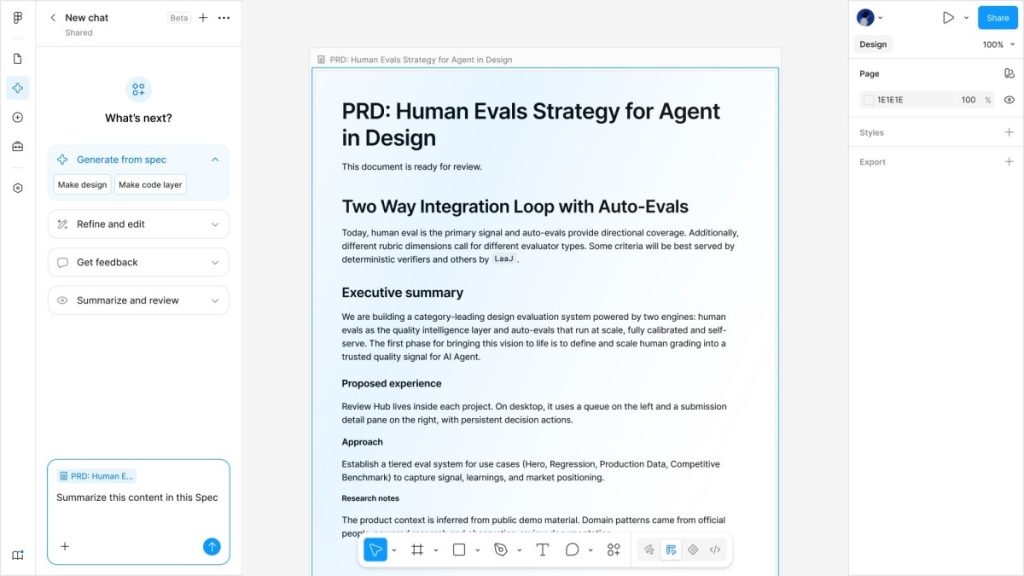
Image Credits:Figma
Figma Unveils Markdown Editor and Enhancements at Config Event in India
During its inaugural Config event in India, Figma, a leading design platform, introduced a range of new features, including a Markdown-based editor designed to streamline the definition of a company’s design language, integrate design and code libraries, and work seamlessly with the Payload headless content management system. These innovations aim to help both Figma and third-party users better adhere to a brand’s design principles while leveraging AI technologies.
Introducing Figma Specs: A New Markdown Editor
One of the standout features unveiled is Figma Specs, a user-friendly Markdown editor that allows teams to easily articulate their design language. This document can be utilized as a reference for design teams and agents working in Figma, promoting consistency across various projects. Specs can function as an independent file within the Figma environment or exist alongside design canvases, enabling easy access and reference.
In addition to its text editing capabilities, users can link to various Figma elements, such as items on the canvas, and embed FigJam diagrams, code layers, and existing designs. This integration enriches the contextual understanding of the design, making it easier for teams to align their projects with established guidelines and standards.
Enhanced Contextual Design
Figma’s new functionalities allow teams to provide greater context for their design frameworks, incorporating design libraries, code libraries, and helpful guidelines within the centralized system. This centralization ensures that all agents and designers can easily reference essential design rules, fostering a collaborative and informed environment where adherence to a brand’s visual identity is prioritized.
Expanding Access to AI and Code Features
Recently, Figma broadened access to its AI agents on canvas, allowing a wider pool of users to explore this aspect of their design process. Acknowledging the inherent unpredictability of AI-generated outputs, Figma has introduced tools that guide the AI toward more reliable results and outcomes.
The company has also made advancements in its code layers feature, which enables users to incorporate code directly into their designs on the canvas, enhancing interactivity in prototypes. Initially released in private beta in June, this capability is now available in public beta following the India event. Users can leverage this function to convert designs into code or modify specific segments of the code for iterative prototyping, making it a powerful tool for developers and designers alike.
The Growing Role of AI in Design
Figma’s Chief Design Officer, Loredana Crisan, shared insights with TechCrunch regarding the evolving landscape of design and software development facilitated by AI. She noted a staggering increase in code production, revealing there are currently 17 times more lines of code being generated compared to previous years. However, she emphasized that the number of product releases has only marginally increased, with only a 1.3 times growth. This discrepancy suggests that a significant amount of code is primarily intended for exploration and design rather than straight shipping of finished products.
Enhancements to Figma’s Toolset and Ecosystem
In addition to the new Markdown editor and features for design and coding, Figma announced support for over 20 new tools within its MCP (Make Content Platform). Tools such as Open Code, Dia, Grok Bot, and collaborations with Indian AI startup Sarvam will expand user capabilities further and enhance creative workflows.
Integration with Payload Headless CMS
Figma’s acquisition of the open-source headless CMS, Payload, last year paves the way for the integration of this system with Figma Make, which simplifies the generation of dynamic websites and content management. The company reported a remarkable sixfold increase in downloads of Payload over the past year, showcasing growing interest and adoption of this tool within the design community.
Establishing a Presence in India
Figma’s expansion into India is marked by the opening of its first local office, which includes sales, partnership, go-to-market, and product support functions. India has rapidly become Figma’s largest market outside the United States, with the platform being utilized by 40% of the top 100 companies listed on the Bombay Stock Exchange. This growth speaks to Figma’s strategic importance in the Indian market and its commitment to meeting the needs of designers and developers in the region.
Conclusion
Figma’s recent announcements, including the introduction of Figma Specs and the integration of Payload, position the company as a leader in the design platform arena, particularly as it intersects with the capabilities of AI and the growing demand for streamlined content management systems. By focusing on enhancing user experience and providing robust tools for design specification and code interaction, Figma aims to empower design teams to deliver high-quality, brand-consistent products efficiently. The company’s strategic initiatives, especially in emerging markets like India, further solidify its role as a central player in the design and technology landscape. As Figma evolves, it is likely that these enhancements will facilitate a new wave of creativity and innovation across industries.
Thanks for reading. Please let us know your thoughts and ideas in the comment section down below.
Source link
#Figma #announces #features #define #agents #work #platform
About The Author