
inDrive Plans 2027 Robotaxi Trials in Central Asia with Pony.ai and Nvidia
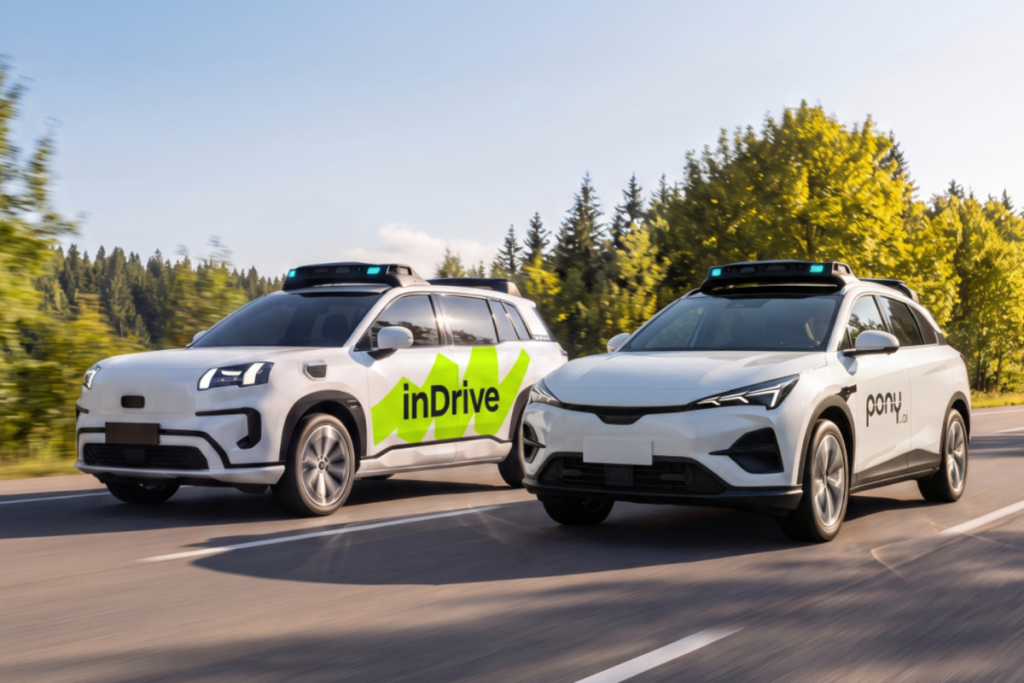
Image Credits:inDrive
inDrive Partners with Pony.ai and Nvidia for Robotaxi Testing in Kazakhstan
Ride-hailing company inDrive, celebrated for its innovative fare negotiation model, is set to expand its horizons by collaborating with Chinese autonomous driving firm Pony.ai and tech giant Nvidia to introduce robotaxi testing in Kazakhstan by 2027. This partnership is indicative of the increasing global interest in self-driving technology, extending beyond traditional markets in the United States and China.
A New Era in Ride-Hailing
The announcement was made on Friday, wherein the three companies revealed they had signed a memorandum of understanding. This initiative aims to bring Pony.ai’s advanced robotaxi fleet onto inDrive’s platform, marking a significant milestone for autonomous vehicles in Central Asia. According to inDrive’s CTO Yuri Misnik, testing is set to commence in Astana, the capital of Kazakhstan, during the first half of 2027. Initially, these tests will include a safety operator, with the ultimate goal of providing fully autonomous rides.
Pony.ai will supply its state-of-the-art Gen-7 robotaxis, which will be integrated into the inDrive app for operations in Kazakhstan. Nvidia will contribute its cutting-edge AI technology, featuring the Hyperion platform and the Halos safety system, which are crucial for the successful deployment of robotic taxi services.
The Push for Robotaxis
This venture aligns with a broader trend in the ride-hailing industry, as companies are increasingly investing in autonomous vehicle technology. Just recently, Uber unveiled its plans to test Pony.ai’s robotaxis in London, where it has also initiated supervised autonomous ride services in partnership with the British startup Wayve. In addition, Uber is exploring collaborative opportunities with multiple robotaxi firms across various international markets, including those in the Middle East.
inDrive’s strategy has always been focused on providing affordable rides. The company aims to maintain this ethos as it ventures into the realm of autonomous ride-hailing, especially in a competitive landscape where established players like Uber are already making significant strides.
Misnik explained the company’s capital-light approach, stating, “We work with a range of partners in different markets, combining their expertise with ours to deliver a better customer experience.” This strategy demonstrates inDrive’s commitment to innovation while managing operational costs effectively.
Nvidia’s Role in Cost-Effective Deployment
Nvidia’s contribution is instrumental in reducing the costs associated with developing robotaxis. The Hyperion platform offers a comprehensive foundation, including sensors and computing technology, relieving companies from the burdensome task of creating and integrating these systems from scratch. Additionally, Nvidia’s Alpamayo model provides tools for generating synthetic data and validating autonomous driving systems across diverse driving scenarios.
Ali Kani, Nvidia’s vice president of automotive, emphasized the significance of these savings for emerging markets. He stated, “Those savings are particularly relevant in emerging markets, where ride-hailing is already relatively affordable, and autonomous services need to compete on cost.” This understanding plays a critical role in ensuring that autonomous ride-hailing remains accessible and competitive.
Expansion Plans and Regulatory Environment
The plan to introduce robotaxis in Kazakhstan is part of Pony.ai’s broader initiative to establish its presence outside of China. The company has ambitious goals, aiming to operate more than 3,500 robotaxis across over 20 cities globally by the end of 2026, a notable increase from its existing fleet of 1,975 vehicles as of June.
Kazakhstan has already laid the groundwork for autonomous taxi services, announcing plans to initiate such services in 2027. Initial trials are scheduled for Astana and two other cities, supported by newly established regulations designed for the testing of autonomous vehicles on designated public roads.
Astana, renowned for its harsh winter weather, presents an advantageous environment for testing robotaxis. With a population of around 1.7 million, the city endures months of snow and ice, creating unique challenges for autonomous driving systems. Arsen Tomsky, founder and CEO of inDrive, highlighted the importance of this opportunity, saying, “Launching here will provide an important opportunity to evaluate autonomous driving technology in challenging winter conditions. Success in Astana could offer valuable insights for expanding autonomous mobility to other locations facing similar challenges.”
Looking Beyond Kazakhstan
While Kazakhstan marks a significant step for inDrive and its future in robotaxi services, it’s not the only market the company is exploring. In December, inDrive signed a separate agreement with AI Driver in Saudi Arabia to investigate the deployment of autonomous vehicles powered by WeRide, a Chinese self-driving firm. The pilot program is targeted for the first half of 2026, although it remains unclear if testing has commenced.
Misnik stated, “We are also looking at a number of other markets for future deployments. One of the main requisites for a successful launch, in our view, is a favorable and collaborative regulatory environment to facilitate safe and sustainable testing on the roads.” This proactive approach illustrates inDrive’s intention to navigate various regulatory landscapes effectively.
A Global Reach with Diverse Offerings
inDrive has transcended its initial objectives by operating in over 1,200 cities across 47 countries. Beyond ride-hailing, the company has successfully expanded into delivery services, intercity transportation, and financial services, establishing a diverse portfolio that caters to a wide range of consumer needs.
As the race to develop and deploy robotaxis continues to gain momentum worldwide, inDrive’s strategic partnerships with Pony.ai and Nvidia position it well within the evolving landscape of autonomous transportation. The company’s focus on affordability, safety, and innovative technology aligns with the future of mobility, offering valuable insights that may dictate the direction of ride-hailing services globally.
In conclusion, the collaboration between inDrive, Pony.ai, and Nvidia not only marks a pivotal moment for the companies involved but also represents a significant advancement in the development of robotaxi services worldwide, particularly in emerging markets like Kazakhstan. With ongoing research, testing, and an eye toward regulatory compliance, the future of autonomous travel looks promising.
Thanks for reading. Please let us know your thoughts and ideas in the comment section down below.
Source link
#Uber #rival #inDrive #eyes #robotaxi #tests #Central #Asia #Pony.ai #Nvidia
About The Author