
Is Jensen Huang’s Position at Risk? Yale’s Jeffrey Sonnenfeld Sees 50-50 Odds.
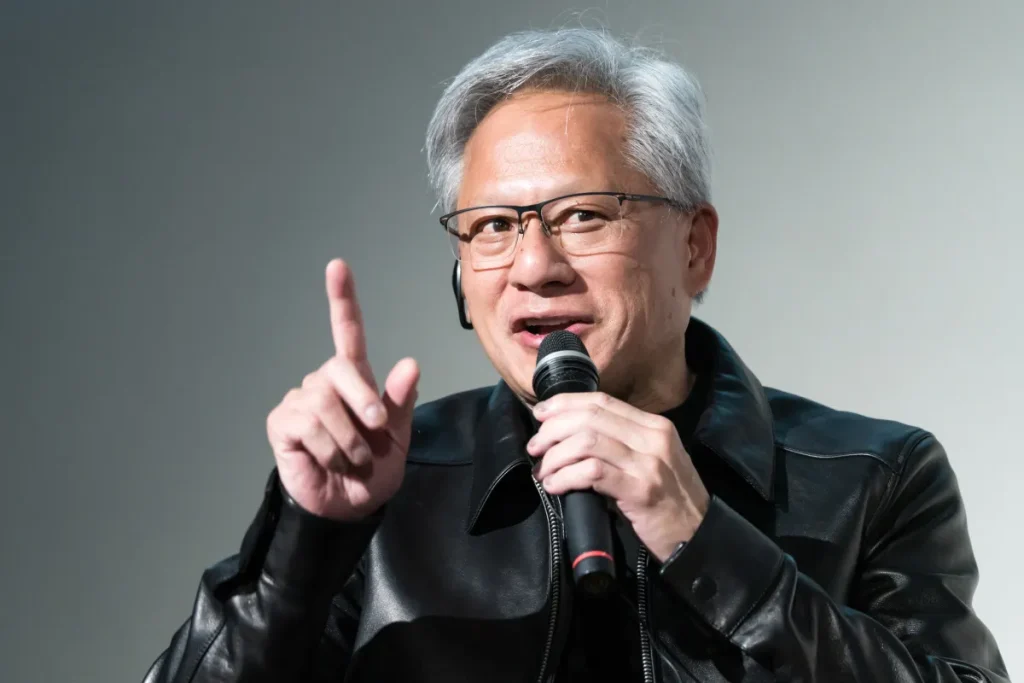
Image Credits:Tomohiro Ohsumi / Getty Images
Nvidia’s CEO in Hot Water: A Closer Look at Jensen Huang’s Unfolding Scandal
Nvidia’s board of directors announced on Sunday the initiation of an independent investigation into CEO Jensen Huang following his admission to employees about being unfaithful to his wife. This situation, however, transcends the conventional narrative of a CEO’s personal failure. The alleged romantic involvement is with Alice Huang, an executive at Megaspeed, a company under scrutiny by U.S. officials for possible connections to Chinese espionage aimed at gathering sensitive information for Beijing. The ramifications of this affair could significantly extend beyond Nvidia, especially considering the company’s pivotal role in the rapidly growing AI economy, which affects numerous technology and financial partners. As Huang stated in a recent Bloomberg interview, “I’m responsible for an entire industry.”
Allegations and Responses
In late October, a spokesperson for the Chinese Embassy in Washington dismissed the allegations of espionage as “groundless smears and slanders.” As of now, no formal charges have been reported. Despite the absence of legal repercussions, U.S. intelligence authorities had briefed then-President Donald Trump about these concerns approximately a year ago. Anonymous senior officials have expressed skepticism over Huang’s ignorance of Alice Huang’s possible espionage activities. Initially, officials believed he was uninformed, but it remains unclear if that perspective has evolved. Meanwhile, Nvidia’s board claims there’s no evidence that national security or proprietary company secrets were compromised.
The Potential Fallout for Huang
The pressing question now is whether Jensen Huang can weather this storm. To gain insight, this editor consulted Professor Jeffrey Sonnenfeld, a well-respected authority in leadership studies at Yale School of Management. Sonnenfeld shared that while he admires Huang, he considers the situation dire and estimates the likelihood of Huang recovering from it to be roughly “50-50.”
Assessing the Damage
Historically, Huang has been seen as a trusted figure in the technology sector. However, Sonnenfeld categorized this episode as an instance of “remarkably poor judgment.” He asserted that had anyone else within Nvidia made such a mistake, they would likely face termination. The mere recklessness of the situation could lead to an “irretrievable loss of confidence” in Huang’s leadership.
Sonnenfeld pointed out that potential redemption for Huang may hinge on proving that he was misled, a concept referred to as idiosyncrasy credits. Coined by social psychologist Edwin Hollander, this term describes how individuals earn respect within a group through demonstrated competence and adherence to group norms. Huang has cultivated his “idiosyncrasy credits” since co-founding Nvidia in 1993, but goodwill can evaporate if his actions are perceived as self-serving or violate group standards.
Lack of Precedents and Succession Issues
Historically, executives facing personal scandals often recover by moving on to other companies. For example, former HP CEO Mark Hurd resigned under similar circumstances but quickly found a new role at Oracle. However, Huang doesn’t have that luxury; he is intrinsically tied to Nvidia’s identity.
Internally, the company’s leadership hierarchy is relatively flat, with Huang reportedly managing around 60 direct reports. This structure complicates potential succession as there is no clear successor from within. Although there’s speculation around his children, who are involved in the company, the quest for potential replacements is likely to ignite considerable speculation.
Nvidia’s Strategic Position: Funding and Partnerships
Nvidia’s critical role in a complex web of financing adds layers of complexity to this situation. As the leading provider of chips essential for AI development, Nvidia also serves as a significant financial backer for various startups. Investments include key players like OpenAI, Anthropic, xAI, CoreWeave, and Nebius. Furthermore, in August, Nvidia signed preliminary agreements with financial behemoths such as BlackRock, Goldman Sachs, and KKR to mobilize over $500 billion, indicating Huang’s commitment to managing risks.
While Huang’s leadership stirs concern, the board’s priorities likely involve understanding how technology has been shared with China, particularly through their relationship with Megaspeed. This Singapore-based cloud provider, which evolved from a Chinese gaming business, has purchased around $2 billion in Nvidia chips. This situation raises crucial questions about whether Megaspeed has aided China in circumventing U.S. export restrictions.
Navigating the Inquiry and Future Challenges
Currently, Nvidia’s board is likely assessing the implications of Huang’s actions, especially given his previous public advocacy for selling advanced chips to China. Concerns around this have already caused agitation among Nvidia’s partners and investors.
Looking ahead, Huang will continue to manage Nvidia, according to the company’s announcement. However, this could prove to be an overwhelming challenge, especially with congressional inquiries on the horizon; three House chairmen have requested a closed-door briefing from him on November 18, just a day after Nvidia releases its latest earnings report.
In a pivotal moment for the company, one crucial fact stands out: Huang does not possess super-voting stock that would enable him to consolidate his power within Nvidia. This absence of entrenched control makes potential removal easier.
The Broader Implications for the Tech Industry
This unfolding incident may initiate a significant reevaluation of how tech companies safeguard their sensitive information. Sonnenfeld argues that the tech sector has been “way too lax” in comparison to defense contractors facing necessary security clearances. A recent incident involving an OpenAI engineer highlights these vulnerabilities, showcasing the risks tech companies face from those within their ranks.
Ultimately, Jensen Huang may endure the investigation, with hopes that the board clears him of knowingly facilitating any espionage activities. However, a more profound test awaits: whether Nvidia’s employees, customers, and partners, along with millions of Americans relying on Nvidia for their retirement plans, can trust an AI economy that hinges heavily on Huang’s judgment and leadership.
In summary, the coming weeks will undoubtedly be critical for Nvidia, and how the company navigates this crisis could set lasting precedents in both corporate governance and national security protocols within the tech industry.
Thanks for reading. Please let us know your thoughts and ideas in the comment section down below.
Source link
#Jensen #Huangs #job #line #Yales #Jeffrey #Sonnenfeld #estimates
About The Author