
ChatGPT’s New Wallet Enables AI Agents to Shop and Complete Purchases on Your Behalf
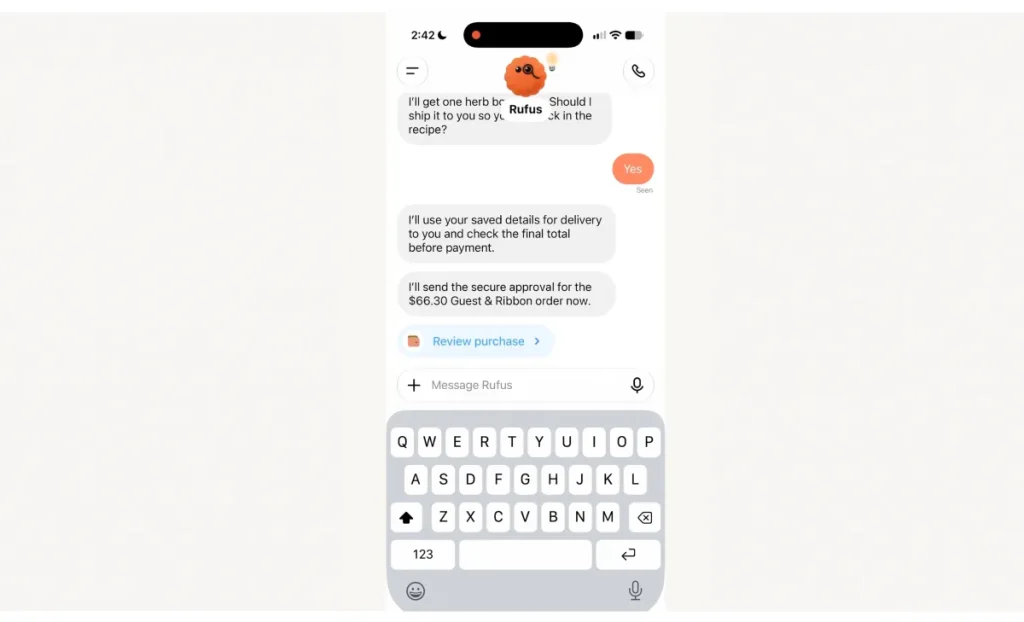
Image Credits:OpenAI
ChatGPT Introduces Shopping Feature: A New Era for AI-Assisted Purchases
On Friday, OpenAI unveiled an innovative shopping feature that allows its AI agents, known as “dots,” to assist users in making purchases. This new functionality, called the ChatGPT Wallet, marks a significant step in merging AI technology with consumer shopping experiences. Initially available to a limited segment of U.S. ChatGPT Pro subscribers aged 18 and older who possess U.S.-issued Visa, Mastercard, or American Express cards, this feature promises to redefine the way we shop online.
User Control and Secure Transactions
One of the standout features of ChatGPT Wallet is the emphasis on user control. OpenAI assures that all purchase decisions remain in the hands of the users. Before finalizing any transaction, users can review the items selected, the total amount, and the payment method that will be utilized. This pre-check not only promotes transparency but also enhances the overall shopping experience.
Moreover, to ensure secure transactions, users must approve purchases through a security verification process. Options like Face ID or fingerprint recognition can be employed to confirm purchases. This additional layer of security guarantees that users maintain a recorded trail of their transactions, safeguarding them in the event of any disputes.
The Evolving Landscape of AI Shopping
The launch of this feature comes at a time when AI tools aimed at consumers are actively seeking to establish their position in the market. Various companies have reported mixed success in facilitating purchases through AI agents. For instance, platforms such as DoorDash and Uber have experienced relatively low engagement in AI-assisted orders. However, Meta’s Muse app, boasting over 10 million users, has witnessed significant interaction, with AI-assisted shopping emerging as a leading activity.
Other personal AI platforms, like Instinct, also offer similar purchasing capabilities, which could motivate OpenAI to expand its footprint in this realm.
Getting Started with ChatGPT Wallet
For those eager to utilize this new feature, setting up the ChatGPT Wallet is straightforward. Users need to input their eligible payment cards into the ChatGPT Wallet only once. After this initial setup, they can then request assistance from their dots for future purchases without needing to re-enter their payment information repeatedly.
When a transaction is initiated, the ChatGPT Wallet will charge the chosen card using a secure payment token. This token substitutes the user’s actual card details, ensuring that sensitive information remains confidential and is not shared with either the dot or the merchant involved in the transaction.
According to OpenAI, merchants will receive all necessary information to fulfill the order, such as shipping addresses and contact information. Customers using the dots for shopping can also earn their usual credit card rewards and benefit from the typical protections associated with card transactions, including the ability to dispute charges if necessary.
Limited Launch for Testing and Improvement
At its initial launch, the limited availability of the ChatGPT Wallet feature is strategic. OpenAI aims to test and refine this feature before a broader rollout. This phased approach allows the company to address any potential issues and enhance user experience based on initial feedback.
In the future, OpenAI envisions providing more customization options for users. Plans to allow users to set spending limits or configure preferences for purchase categories and specific timeframes are in the works. This would enable more autonomous handling of pre-approved purchases by the AI agents, offering users both convenience and control.
Expanding Retail Partnerships
In addition to enhancing user control, OpenAI aims to extend the agentic shopping feature to a wider array of supported retailers. However, this expansion may face challenges, as some retailers currently block AI agents from accessing their sites. Notably, Amazon, the largest online retailer, has prohibited AI agents like ChatGPT from operating on its platform in favor of steering users towards its proprietary AI assistant, Alexa.
To facilitate the integration of AI agents into the shopping ecosystem, OpenAI has introduced a Commercial Partner Playbook. This guide offers tools and insights for retailers looking to accommodate customers interacting with AI shopping assistants.
Conclusion
OpenAI’s introduction of the ChatGPT Wallet marks a noteworthy advancement in the integration of artificial intelligence into everyday shopping experiences. With a focus on user empowerment, security, and practical applications, this feature promises to enhance efficiency and simplify the purchasing process for consumers.
As the landscape for AI-driven commerce continues to evolve, the potential for further innovations remains vast. The collaboration between AI technology and retail capabilities could redefine online shopping as we know it, paving the way for an automated yet user-controlled shopping experience. As OpenAI continues to develop and improve this feature, it will be interesting to observe its impact on consumer behavior and retailer strategies in the coming months.
When you shop through links in our articles, we may earn a small commission— this does not affect our editorial independence.
Thanks for reading. Please let us know your thoughts and ideas in the comment section down below.
Source link
#ChatGPTs #Wallet #lets #agents #shop #check
About The Author