
Nvidia Undermines U.S. Industrial Strength, Says Yale’s Sonnenfeld
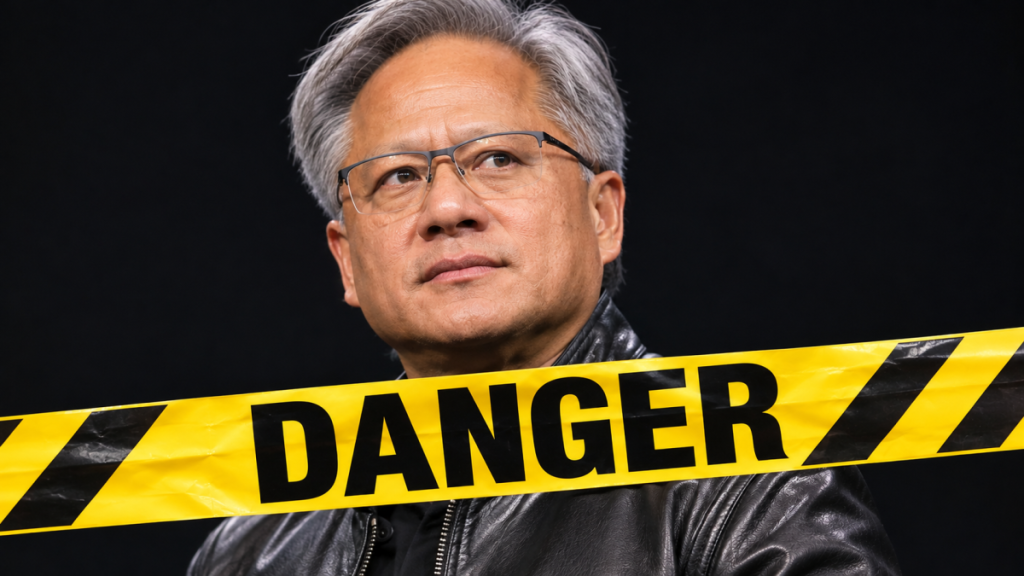
Image Credits:ChatGPT for TechCrunch /
Investors Respond to Jensen Huang’s Return
On Monday, investors celebrated the return of Jensen Huang as CEO of Nvidia, yet Yale business scholar Jeffrey Sonnenfeld views this enthusiasm as misplaced. He argues that Nvidia has been instrumental in distributing advanced technologies to potential adversaries, creating heightened risks during a critical time. Contrary to being a beacon of American industry, Sonnenfeld contends that Nvidia poses a threat to the U.S.’s global industrial capabilities.
Concerns About Technology Transfers
Sonnenfeld cites research indicating that Nvidia’s most sophisticated chips have reached China, circumventing U.S. export restrictions. He highlights the plummeting shares of Anthropic, which he ties to the realization that China’s impressive open-source AI models are essentially derived from top U.S. laboratory research. This raises questions about Nvidia’s assurances that the smuggling of its technologies is a “non-factor.”
Interestingly, Huang’s reinstatement was also met with excitement in Asia, as reported by The Washington Post, with headlines proclaiming, “The king is back!” from China’s state-affiliated Star Market Daily.
The Political Backdrop
Huang’s reinstatement came under intense pressure from Washington. Nvidia’s chairman had previously dismissed the possibility of Huang’s return just days prior. However, following a flurry of private calls led by Vice President JD Vance, high-ranking officials encouraged the board to welcome Huang back, even with President Trump directly reaching out to support him. “I made the deal,” Trump stated during a CNBC interview.
Sonnenfeld believes that board members who facilitated Huang’s return, particularly while investigations into foreign intelligence influences on him are ongoing, now face unprecedented individual liability.
Legal Challenges Loom
The legal ramifications have already begun. A potential class-action lawsuit was quickly filed, targeting Nvidia and Huang for compensating investors’ losses. Soon after, a shareholder derivative suit charged the board with overlooking warning signs regarding Huang’s ties to a suspected Chinese spy, Alice Huang. These legal actions are not just limited to one or two cases; the estimates suggest there could be as many as 30 lawsuits, which could incur substantial costs for the company.
In addition to these civil suits, Nvidia is contending with multiple investigations, including a Justice Department antitrust probe, an SEC inquiry into its accounting practices, and various congressional hearings. Huang has even agreed to testify at a Senate Banking Committee meeting scheduled for next week.
Sonnenfeld’s Insights
In a recent Q&A, Sonnenfeld elaborated on the board’s failures. He accused them of neglecting to consult experts and described the directors as likely to face severe consequences due to their reckless decisions. He criticized their reliance on insufficient legal counsel and noted that their decision-making lacked necessary diligence.
Sonnenfeld pointed out that the board exhibited not just incompetence but also cowardice by capitulating to external pressures, arguing that the board’s actions indicate a significant lack of understanding of Nvidia’s actual business dynamics.
Political Backlash
This controversy is not limited to partisan lines. Sonnenfeld highlighted that numerous Republican senators have publicly condemned the board’s actions, showcasing a broad-based political fallout that likely contributes to Nvidia’s declining stock prices. He argues that the board cannot claim they were privy to classified information that justified Huang’s return since they have not seen any such evidence.
There is also speculation on whether the Commerce Department will strengthen its chip export restrictions or reverse its recent regulations. The inclusion of Megaspeed on the sanctions list suggests a tightening of controls.
Nvidia’s Role in Global Technology
Sonnenfeld argues that Nvidia is not a champion of American strength but, rather, a liability. He emphasizes that Nvidia’s chips have reached entities connected to the Chinese military, including Northwestern Polytechnical University, thereby facilitating the development of weapons systems that could be used against U.S. interests.
He also criticizes the idea that China has miraculously developed its own advanced chips, asserting instead that this is a result of piracy facilitated by Nvidia technology. Reports of Blackwell chips surfacing in China compound these concerns and suggest that Nvidia’s leadership may be jeopardizing U.S. technological supremacy.
The Fallout from Huang’s Return
Interestingly, the enthusiasm around Huang’s return is not mirrored in the broader tech community. Major CEOs from Microsoft, IBM, and other industry giants have remained silent about this development, suggesting widespread apprehension about its implications.
Critics argue that Huang was not essential to the company’s core innovations, pointing out that it is teams led by co-founder Chris Malachowsky who design the chips. Similarly, the software developments that leverage these chips come from other key figures within the company, underscoring the idea that Huang’s presence is not pivotal to Nvidia’s success.
Implications of Leadership Decisions
Some narratives surrounding Huang’s earlier removal have framed it as an HR issue gone awry, but Sonnenfeld argues that leadership integrity is paramount. A CEO who flouts established codes of conduct undermines the entire organizational framework. Employees have indicated that Huang’s return would discourage adherence to corporate policies, posing a risk to workplace ethics.
The allegations related to Huang’s personal relationships raise serious concerns. Any relationship of such a nature complicates objective decision-making across the board, fostering an environment of potential favoritism or retribution.
Conclusion
The situation at Nvidia serves as a cautionary tale about the intersection of technology, corporate governance, and geopolitical tensions. As investors and opinion leaders grapple with these developments, the long-term implications for Nvidia and its leaders remain to be seen, particularly as legal challenges accumulate and the larger industry landscape evolves. The stakes have never been higher, and the scrutiny is unlikely to dissipate anytime soon.
Thanks for reading. Please let us know your thoughts and ideas in the comment section down below.
Source link
#Yales #Sonnenfeld #Nvidia #detriment #U.S #industrial #champion
About The Author