
Sakana AI CEO: Homegrown models extend beyond Japan’s national security concerns.
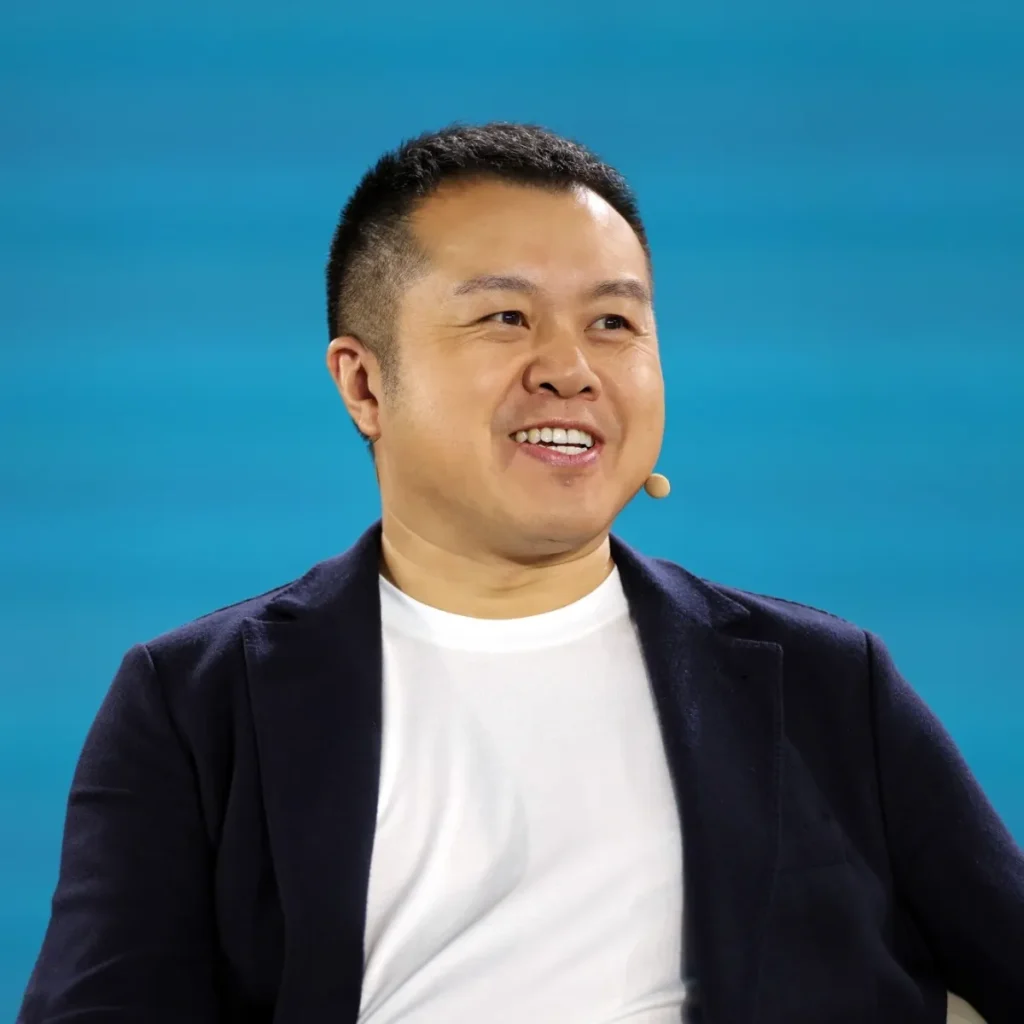
Image Credits:Sakana AI
Sakana AI’s Ambitious Plans for a Foundation Model
Sakana AI, an emerging Japanese AI startup, recently announced its intention to develop its own foundation model, named Sawara. This strategic move has garnered attention for its potential implications on Japan’s defense and cybersecurity landscapes, particularly amid growing concerns over the nation’s dependence on technologies from the U.S. and China.
A Commitment to Japan’s Industrial Strength
David Ha, co-founder and CEO of Sakana AI, discussed the foundational vision behind Sawara during an interview with TechCrunch. The model is designed not only to bolster Japan’s industrial and manufacturing sectors but also to address escalating cybersecurity threats. Ha emphasized the need for domestic AI solutions that can be deployed in sensitive contexts, especially as access to foreign models may become limited.
“When we started planning for this model, our focus was indeed on physical AI, manufacturing, and the industrial sector, which remains our long-term vision,” Ha explained. “However, in the short-term, it’s clear that Japan requires enhanced security-related capabilities.”
Sakana AI plans to commence work on Sawara this month, with the objective of training and launching a smaller version by early 2027, followed by a more advanced model. This initiative emerges just five months after the introduction of Fugu, an AI orchestration system developed by Sakana that leverages large language models, including those from American AI laboratories, to create tailored AI agents for specific tasks. The firm has also launched Namazu, a language model calibrated to address the unique nuances of the Japanese language, culture, and business landscape.
Challenges with Existing Models
Ha acknowledged the limitations of existing open-weight models for Japanese enterprises. “We cannot simply use open-weight models as they are, because they often carry biases from their creators,” he pointed out. “These models may refuse to engage with Japanese political topics or may yield unsatisfactory responses to Japanese users.”
Despite embarking on the development of a domestic foundation model, Ha recognized that this effort wouldn’t completely sever the ties with foreign AI technologies. “The last piece needed for us to become a full-stack company is the pre-training of Sawara,” he noted. “We aim to employ this technology within various industries and manufacturing contexts. Our smaller model will be particularly valuable for on-premises deployment, which is essential in Japan.”
While Fugu incorporates models from OpenAI, Ha asserted that such models alone are insufficient for critical applications, such as cybersecurity, where Japan mandates the use of customized on-premises models. “Japan will continue to utilize U.S. systems; however, it also seeks domestic alternatives,” he elaborated. “Entities often cite systems like Palantir; I have a significant respect for companies like Snowflake and Datadog. Nevertheless, in matters concerning national security, Japan will prefer its own systems.”
Collaboration with Government Agencies
Earlier this year, in July, Sakana AI entered into a research agreement with Japan’s Ministry of Defense to investigate how AI can assist in the analysis and integration of information from various sources. The company has also collaborated with the Ministry of Internal Affairs and Communications on solutions aimed at detecting misinformation.
Ha explained that working with Japanese government agencies has influenced Sakana’s approach towards Sawara’s development. “Unlike private corporations, government clients have more stringent requirements, such as the ability to audit training data, customize AI models, and ensure on-premises deployment,” he said. “We believe these lessons will resonate with government needs globally.”
At present, Sakana’s primary focus areas concerning government collaborations are disinformation detection and analysis, as well as multimodal systems designed to amalgamate data from diverse governmental sources.
Speculations on Going Public
Sakana’s move to create its foundation model comes amid speculation about a potential initial public offering (IPO), as reported by Nikkei and Bloomberg. However, Ha clarified that the company has no imminent plans to go public. “A lot of the reported timing and potential valuation is speculative,” he mentioned, adding that the timeline for a listing remains uncertain. Nonetheless, he expressed optimism about ultimately conducting an IPO in Japan.
“We feel a strong inclination to eventually have an IPO in Japan,” Ha stated.
Future Vision: Supporting Global Competitiveness
Looking ahead, Ha envisions Sakana AI’s growth as intrinsically linked to the international expansion of Japanese manufacturers. Instead of concentrating on merely selling its models, the startup aims to assist local businesses in leveraging AI to enhance their global competitiveness.
“We aspire to work strategically with the government and Japan’s industrial base to boost their competitiveness,” he articulated. “Our goal is to collaborate internationally alongside the manufacturing and industrial sectors.”
Sakana AI’s initiatives signify a pivotal moment for Japan’s technology landscape. By investing in the development of its foundation model, the company aims to provide tailored solutions that address both industrial needs and national security imperatives. As the global demand for AI solutions increases, Sakana AI is poised to play a crucial role in shaping Japan’s technological future while reducing its dependence on foreign technologies.
In summary, as Sakana AI navigates this complex technological landscape, its focus on fostering domestic capabilities reflects a broader strategic vision that prioritizes not only innovation but also national security and global competitiveness.
Thanks for reading. Please let us know your thoughts and ideas in the comment section down below.
Source link
#Sakana #AIs #CEO #homegrown #models #Japans #national #security
About The Author