
VCs Examine the Reasons Behind the Fragility of Consumer AI Startups
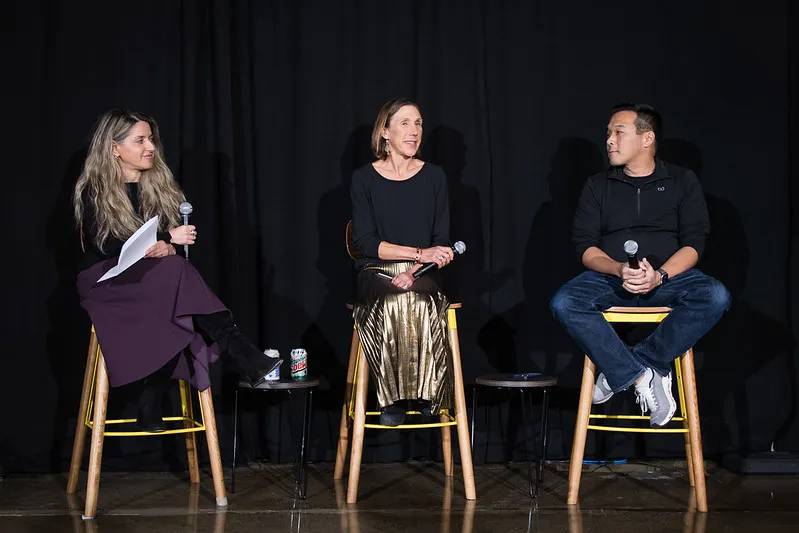
Image Credits:SlavaBlazerPhotography / Flickr (opens in a new window)
The State of AI Startups: Focus on Business Over Consumers
As the generative AI landscape continues to evolve, three years post-boom, the majority of AI startups still generate revenue primarily from business clients rather than individual consumers. While tools like ChatGPT have seen swift consumer adoption, specialized consumer applications in Generative AI (GenAI) have yet to achieve significant traction.
Early AI Applications: A Flash in the Pan
Chi-Hua Chien, co-founder and managing partner at Goodwater Capital, highlighted the initial excitement surrounding early AI applications in areas like video, audio, and photography during a discussion at TechCrunch’s StrictlyVC event. Although these applications were well-received initially, the landscape shifted dramatically with the emergence of competing models and open-sourced technologies. Notably, the release of Sora and Nano Banana alongside open-sourced video models from China led to a rapid decline in opportunities for these prior innovations.
Chien likened these fleeting applications to the early standalone flashlight app that gained fame shortly after the launch of the iPhone. While it was a popular download, it was soon integrated directly into the iOS, rendering it obsolete. This illustrates a broader trend: many early specialized GenAI applications may struggle to maintain their relevance due to rapid technological advancement and competition.
The Need for Stabilization in AI Platforms
Chien emphasized the necessity for a period of “stabilization” in AI technology, akin to what occurred in the smartphone market around 2009-2010. Just as that era laid the foundation for mobile-first giants like Uber and Airbnb, a similar evolution is essential for the consumer AI sector to mature. He expressed optimism that the industry is nearing this crucial stabilization point, especially with Google’s Gemini achieving technological parity with ChatGPT.
The Consumer AI Landscape: An Awkward Adolescence
Elizabeth Weil, founder and partner at Scribble Ventures, echoed Chien’s sentiments regarding the current state of consumer AI applications. She described it as being in an “awkward teenage middle ground,” where the full potential of AI has yet to be realized.
Rethinking Consumer Devices for AI Innovation
To mature, consumer AI startups may require a transformative leap in the devices through which users engage with AI. Chien pointed out the limitations of smartphones, noting that they only capture a fraction (3-5%) of what users experience daily. He stated, “It’s unlikely that a device that you pick up 500 times a day will introduce use cases that fully leverage AI’s capabilities.”
Weil also shared her concerns about smartphones being insufficient for advancing consumer AI, stressing that these devices lack ambient qualities that could enable immersive AI experiences. “I don’t think we’ll be building for this in five years,” she noted, gesturing to her iPhone.
The Race for New Personal Devices
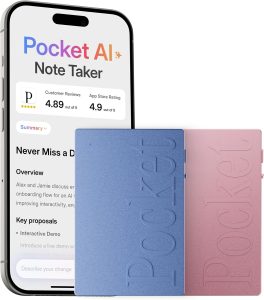
In light of these challenges, tech companies and startups are rapidly innovating new devices that could replace traditional smartphones. Collaborations like the one between OpenAI and Jonny Ive, Apple’s former design chief, hint at a forthcoming “screenless” pocket device. Meanwhile, Meta is developing Ray-Ban smart glasses, controlled by a gesture-detecting wristband, and various startups are attempting to introduce AI-integrated wearables like pins, pendants, and rings.
However, the future of consumer AI doesn’t necessarily hinge on new devices alone. Chien proposed that we could see targeted offerings, such as personalized AI financial advisors customized to individual user preferences. Similarly, Weil foresees a world where an “always-on” personalized tutor becomes commonplace, providing tailored educational assistance directly through smartphones.
Skepticism Around AI-Powered Social Networks
Despite their enthusiasm for the direction AI technology is heading, both Weil and Chien expressed skepticism regarding some emerging AI-powered social networking startups. These platforms often rely on AI bots to engage with user content, a trend Chien believes could disengage users. “It turns social into a single-player game. I’m not sure that it works,” he cautioned. He highlighted that the essence of social networking lies in the interaction with real people, something that pure AI engagement may lack.
Looking Ahead: The Future of Consumer AI
So what does the future hold for consumer AI applications? While current offerings may feel transitional, they represent an important stage in a much larger journey. Just as the smartphone ecosystem had to undergo a maturation process facilitated by evolving technologies and user needs, so too will the consumer AI landscape require its period of growth and development.
The indications of that growth are beginning to materialize, as databases and models become more sophisticated, and as the platforms that host these AI tools stabilize. It’s an exciting time for the industry, yet one that demands patience and a keen understanding of user needs.
In conclusion, while the road ahead seems volatile, the potential for innovative consumer AI products remains profound. The challenge lies not just in creating smart applications but in finding ways to integrate AI into daily life in meaningful and transformative ways. As the industry pushes through its awkward adolescence, the vision for a robust consumer AI future may not be far off.
Thanks for reading. Please let us know your thoughts and ideas in the comment section down below.
Source link
#VCs #discuss #consumer #startups #lack #staying #power
About The Author