
Nvidia to Acquire AI Chip Competitor Groq’s Technology and CEO
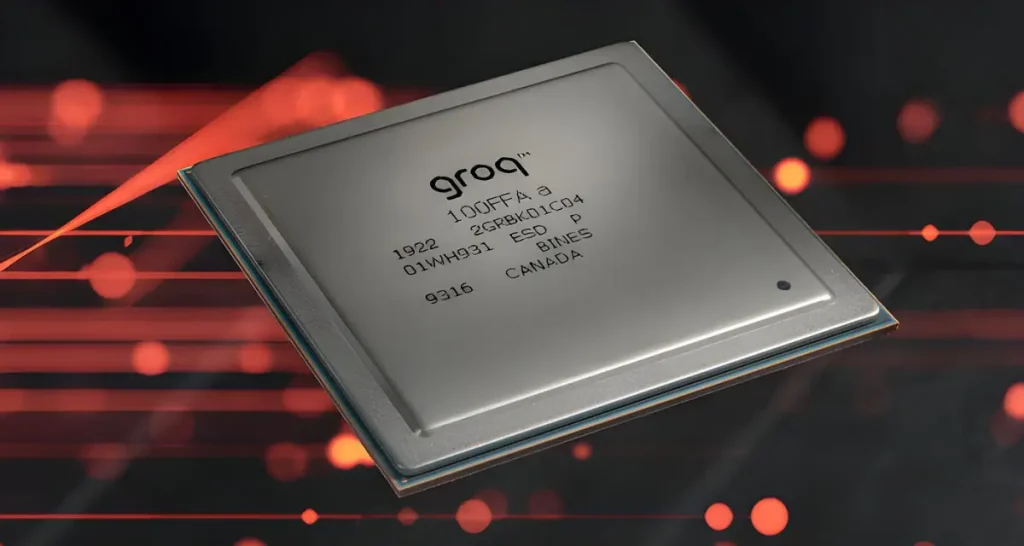
Image Credits:Groq
Nvidia Enters New Era with Licensing Agreement and Strategic Hiring from Groq
Nvidia, a leader in graphics processing units (GPUs), has recently made headlines by securing a non-exclusive licensing agreement with its AI chip competitor, Groq. This move comes at a pivotal time in the tech industry as companies increasingly seek to enhance their artificial intelligence (AI) capabilities through advanced computing power. As part of this agreement, Nvidia has confirmed it will hire several key figures from Groq, including founder Jonathan Ross and president Sunny Madra.
A Significant Financial Undertaking
According to a report by CNBC, Nvidia is poised to acquire assets from Groq for an astonishing $20 billion. However, Nvidia has clarified to TechCrunch that this deal does not constitute an outright acquisition of Groq but rather a targeted asset acquisition. The exact nature of this deal, including its full scope, remains undisclosed. If the figures reported by CNBC are accurate, this purchase would mark Nvidia’s largest acquisition to date, signaling a strategic initiative to further cement its dominance in the chip manufacturing landscape.
The Competitive AI Landscape
As tech companies race to enhance their AI capabilities, the demand for superior computing power has intensified. Nvidia’s GPUs have established themselves as the industry standard for AI processing, widely adopted across various sectors. Yet Groq aims to disrupt this trend with its innovative approach to chip technology. The company has developed a unique chip known as the LPU, or language processing unit, which claims to execute large language models (LLMs) at ten times the speed and with only one-tenth of the energy consumption compared to traditional GPUs.
Innovators in Chip Technology
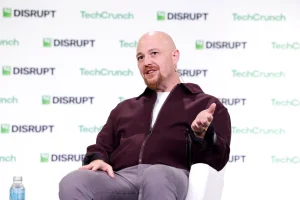
The announcement also brings attention to Jonathan Ross, Groq’s CEO, who is renowned for his innovative contributions to chip technology. Prior to founding Groq, Ross played a crucial role in developing the TPU (tensor processing unit) while working at Google. The TPU was designed to specifically accelerate neural network computations, showcasing Ross’s history of pioneering advancements in AI processing.
Rapid Growth and Market Impact
Groq’s recent achievements underscore its rapid emergence in the AI chip market. In September, the company successfully raised $750 million, leading to a valuation of approximately $6.9 billion. This remarkable growth trajectory illustrates Groq’s increasing influence in the technology sector, highlighted by its claim of powering the AI applications of over 2 million developers — a dramatic rise from around 356,000 developers just a year prior.
Future Implications for Nvidia and Groq
By integrating Groq’s cutting-edge technology and talent into its operations, Nvidia stands to unlock significant potential for innovation. This strategic move could enhance its ability to meet the growing demands for AI processing, placing it in a favorable position against other tech giants. As the competition heats up, the alliance with Groq allows Nvidia to diversify its offerings and explore new avenues for growth in the rapidly evolving landscape of AI.
Moreover, this partnership reflects a broader trend in the tech industry: the increasing convergence of GPU and LPU technologies. While Nvidia’s GPUs have been the cornerstone of AI applications, Groq’s LPUs may very well offer complementary solutions that can revolutionize processing speeds and energy efficiency.
The Rise of AI and Its Computational Needs
As artificial intelligence technology continues to advance, the requirements for efficient and powerful computing systems become ever more critical. Companies leverage AI for various applications, including natural language processing, image recognition, and complex data analysis, necessitating an ongoing evolution in chip technology.
Nvidia’s GPUs have remarkably served as the backbone of AI in recent years, powering everything from advanced graphics in gaming to scientific simulations and machine learning algorithms. With Groq’s innovative LPU chips entering the fray, the competition in the chip manufacturing arena has taken on a new dimension. Groq’s unique proposition of enhanced speed and reduced energy consumption aligns seamlessly with the goals of many companies striving to implement sustainable AI practices.
Key Takeaways
The licensing agreement and strategic hiring from Groq position Nvidia to further enhance its capabilities in the competitive AI chip market. With this deal, Nvidia may not only bolster its technological edge but also carve out new opportunities in a space that is becoming increasingly crowded with players looking to innovate.
As the dynamics of these industry giants evolve, it will be critical to monitor how Nvidia utilizes Groq’s technology and expertise. Will this partnership result in revolutionary developments in AI processing? Only time will tell, but the implications for both companies and the tech industry at large are significant.
Conclusion
This latest development between Nvidia and Groq marks an exciting period in the AI chip sector, with potential ramifications that could reshape the landscape of computing power. As Nvidia integrates Groq’s innovative approaches and talents into its operations, the collaboration promises to usher in a new era of efficiency and performance in AI technology. As tech companies continue to push the boundaries of artificial intelligence, watch for developments stemming from this strategic partnership that could redefine the future of chip manufacturing.
Stay updated on this dynamic landscape, as both Nvidia and Groq continue to evolve in their respective roles within the tech ecosystem. The ongoing evolution of AI capabilities rests heavily on developments like these, making it an exciting time for industry stakeholders and consumers alike.
Thanks for reading. Please let us know your thoughts and ideas in the comment section down below.
Source link
#Nvidia #license #chip #challenger #Groqs #tech #hire #CEO
About The Author