
Ford’s AI Assistant and Upcoming Hands-Free BlueCruise Technology
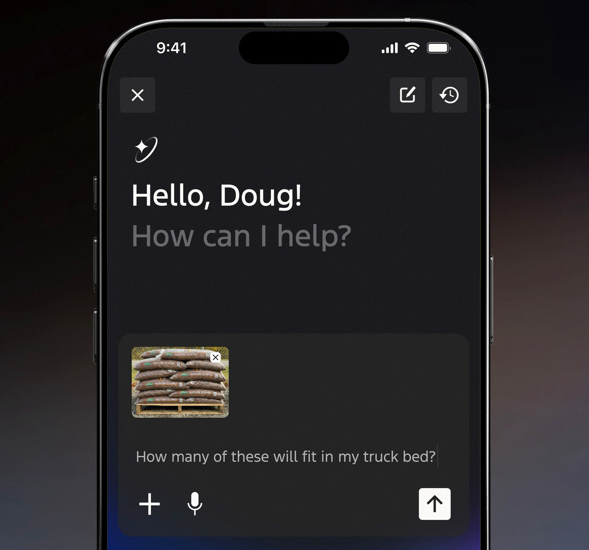
Image Credits:Ford
Ford Unveils Next-Generation AI Assistant and BlueCruise System
Ford recently announced groundbreaking advancements at the 2026 Consumer Electronics Show (CES), including the development of an AI assistant that will initially launch within the company’s smartphone app and later expand to its vehicles by 2027. The automaker also teased a next-generation version of its BlueCruise advanced driver assistance system, which promises enhanced capabilities and a reduced manufacturing cost, ultimately paving the way for a fully autonomous driving experience by 2028.
A Shift in Automotive Technology Showcase
Ford’s presentation at CES marked a significant change in the spotlight that traditionally shone on major automakers during the event. In contrast to the late 2010s, when they dominated the stage with grand keynotes, this year, Ford opted for a more intimate approach at a session titled “Great Minds.” This was intended to explore the symbiosis between technology and humanity, highlighting the company’s focus on integrating advanced technologies into everyday life.
Introducing the AI Assistant
Ford’s AI assistant is set to be a transformative feature in its vehicles, built on infrastructure provided by Google Cloud. By utilizing commercially available large language models (LLMs), the assistant will have deep access to vehicle-specific data, enabling it to handle a range of queries. For instance, it can provide high-level insights, such as the carrying capacity of a truck bed for mulch bags or real-time data on aspects like oil life.
Launch Timeline
The assistant is expected to roll out in early 2026 through the revamped Ford app. Following that, a more comprehensive, in-vehicle integration will be introduced in 2027, although Ford has yet to disclose which models will receive the first implementations.
In-Car Experience: Taking Notes from Rivian and Tesla
While Ford has not extensively detailed the in-car experience, hints can be drawn from competitors like Rivian and Tesla. Rivian recently displayed a similar digital assistant, capable of texting, complex navigational tasks, and climate control adjustments. Tesla has integrated its own digital assistant, Grok, which offers features such as real-time sightseeing tours for drivers.
Competitive Landscape
While Ford’s initiatives are promising, the capabilities of rival automakers might overshadow them initially. However, Ford has a year to refine its in-vehicle integration, which could position the company to deliver competitive features as it begins rolling out its AI assistant.
The Next-Generation BlueCruise System
Underlining its commitment to innovation, Ford also revealed updates to its BlueCruise advanced driver assistance system. According to the company, the next-generation system will be 30% cheaper to manufacture than its predecessor, enabling Ford to pass savings onto consumers while enhancing functionality.
Features and Future Expectations
The next-generation BlueCruise is slated to launch in 2027 alongside Ford’s first electric vehicle built on its affordable “Universal Electric Vehicle” platform—predicted to be a mid-sized pickup. This updated system aims to offer eyes-off driving capabilities by 2028.
Furthermore, Ford claims the new BlueCruise system will incorporate “point-to-point autonomy,” a feature comparable to Tesla’s Full Self-Driving (Supervised) software. Rivian is also working on a similar point-to-point system slated for a later release this year.
Safety Considerations
It’s important to note that all of these advanced systems necessitate that drivers remain alert and ready to take control at any moment. As automation technologies advance, Ford and other automakers emphasize the critical need for driver awareness, aiming to combine the benefits of AI with fundamental safety protocols.
Conclusion: A Vision for the Future
Ford’s announcements at CES 2026 illuminate a clear vision for the future of automotive technology. With the development of its AI assistant and advancements in the BlueCruise system, the company is not just keeping pace with competitors but is also setting the stage for innovative user experiences in the coming years. By merging cutting-edge AI capabilities with practical vehicle applications, Ford is working towards a future where technology and humanity coexist seamlessly. As the automotive landscape evolves, it’s evident that Ford is committed to playing a pivotal role in shaping that future, ensuring that its offerings remain relevant and competitive in a rapidly changing industry.
As consumers look for smarter, more efficient driving solutions, advancements like those promised by Ford will likely redefine expectations for both comfort and safety in the vehicles of tomorrow. The coming years will be crucial as Ford executes its plans—watching how these initiatives unfold will be essential for anyone interested in the future of automotive technology.
Thanks for reading. Please let us know your thoughts and ideas in the comment section down below.
Source link
#Ford #assistant #handsfree #BlueCruise #tech
About The Author