

So much for the metaverse!
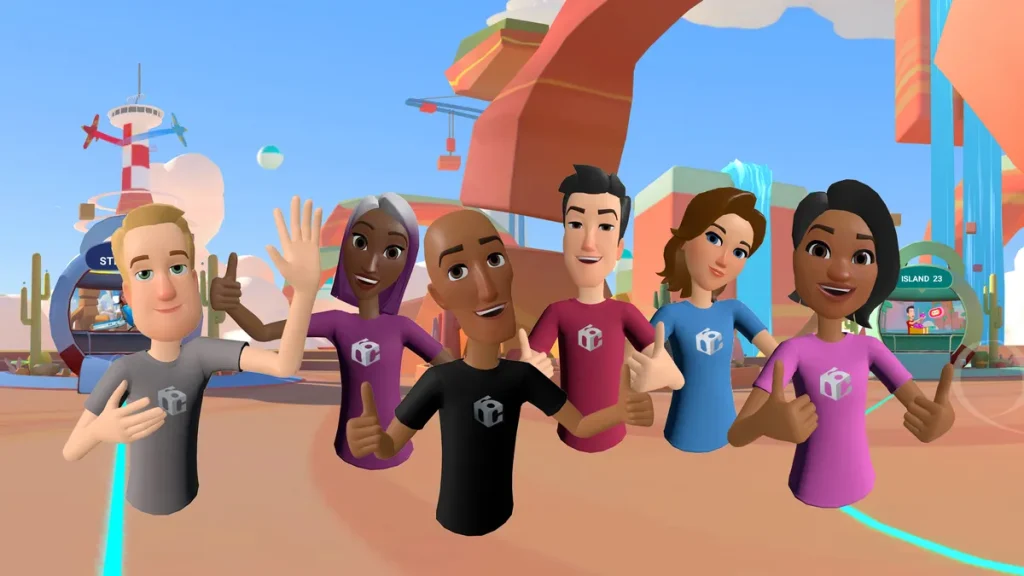
Image Credits:Facebook (via CNET) (opens in a new window)
Meta’s Shift from Virtual Reality: A Major Corporate Turnaround
Meta recently made headlines for its significant withdrawal from the virtual reality (VR) sector, reportedly laying off around 1,500 employees—about 10% of its Reality Labs division. This dramatic shift marks a stark contrast to just four years ago when the company, then known as Facebook, was heavily focused on VR technology and the concept of the metaverse.
The Rise and Fall of Meta’s Metaverse Vision
In 2021, Facebook rebranded itself as Meta, proclaiming a new technological era dominated by VR experiences. The company’s pivot aimed to capture Gen Z’s inclination toward online gaming platforms such as Fortnite and Roblox, while also distancing itself from Facebook’s tarnished reputation due to scandals like Cambridge Analytica and other privacy issues.
Meta envisioned the metaverse as the next social frontier, where users could engage in virtual interactions via its Horizon Worlds app and enjoy gaming on VR headsets. Fast forward to today, and it seems that this ambitious vision has been effectively shelved in favor of artificial intelligence (AI).
Key Layoffs and Studio Closures
Major casualties from this corporate retraction include many VR studios within Meta, such as Armature Studio, Twisted Pixel, and Sanzaru, which were responsible for titles like “Resident Evil 4 VR” and “Marvel’s Deadpool VR.” The acquired VR fitness app Supernatural is also transitioning to maintenance mode, ceasing the development of new content. Additionally, the Workrooms initiative, intended to implement VR in workplace setups, is now being shut down.
These changes follow a December Bloomberg report indicating that Meta was slashing its VR department’s budget by up to 30%. Given that the Reality Labs division had yet to turn a profit while consuming approximately $73 billion in funding, this deprioritization should come as no surprise.
The Impact of Unrealized Expectations
Despite the excitement surrounding the metaverse, initial VR offerings did not meet consumer expectations. The early versions were criticized for their poor quality, including awkward avatars and underwhelming user experiences. Meta’s strategy of “building in the open,” intended to allow consumer feedback for rapid iteration, faltered due to lackluster demand.
Although Meta boasted a dominant share in the VR market with its Oculus headsets, sales have been on a decline. Reports indicate a 12% year-over-year drop in global VR headset shipments through 2024, illustrating declining consumer interest where Meta once expected rapid growth.
Navigating a Competitive Landscape
Mark Zuckerberg’s earlier predictions positioned the metaverse as a potential platform for a billion users and hundreds of billions in digital commerce. However, the adoption rates for VR apps have been disappointing. For context, the Meta Horizon app has been downloaded roughly 60.4 million times globally, pale compared to the 3.5 billion daily active users across Meta’s traditional social media platforms like Facebook, Instagram, and WhatsApp.
Zuckerberg’s focus on creating a profitable ecosystem—particularly bypassing the App Store fees imposed by competitors like Apple and Google—further complicates this narrative. Charging developers close to 47.5% on digital asset sales within Horizon Worlds has drawn criticism and turned many potential partners away.
Safety Concerns and User Experience
An additional stumbling block for Meta’s metaverse ambitions has been its reactive approach to user safety. Reports of harassment, including disturbing incidents of virtual sexual abuse, forced the company to implement measures only after issues gained media attention. Unlike proactive safety features seen in other platforms, Meta’s tardiness compromised user experience and trust, prompting many to exit VR entirely when faced with abusive behavior.
Emerging Technologies Taking Center Stage
In contrast to the metaverse, Meta’s recent endeavors in augmented reality (AR) and AI are gaining traction. The introduction of Ray-Ban AR glasses showcases the company’s pivot towards more practical applications of technology that resonate with consumers. Retailers report increased sales in these glasses, which blend convenience and modern features like hands-free recording and app notifications.
Meta’s venture into AI speaks volumes about its shifting priorities. As other tech giants explore AI-driven hardware, the potential for a thriving application ecosystem within this domain outshines the fading allure of VR. Consequently, Meta is expected to direct its focus toward improving AI-related products and partnerships.
Conclusion: A Cautious Path Forward
Reflecting on Meta’s journey reveals the challenges of innovation in an oversaturated tech landscape. While the initial vision for the metaverse sparked excitement, reality ultimately led to a reevaluation of priorities. With declining interest in VR technology and successful ventures in AR and AI, Meta aims to reallocate its resources toward more promising avenues.
As the technology sector continues to evolve, the lessons learned from Meta’s VR experience will undoubtedly inform future strategies and innovations. The shift away from the metaverse may be a setback for one of the tech world’s biggest players, but it also presents an opportunity to explore new, more viable paths in an ever-changing environment.
Thanks for reading. Please let us know your thoughts and ideas in the comment section down below.
Source link
#metaverse
About The Author