
Mark Zuckerberg finds it difficult to envision a future without smart glasses.
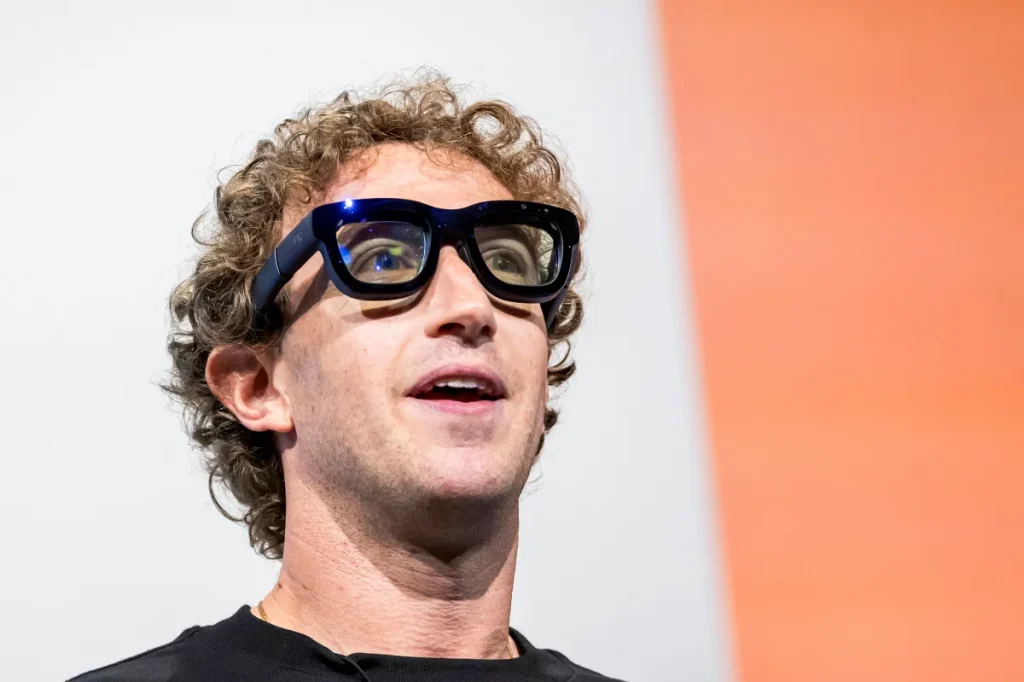
Image Credits:David Paul Morris/Bloomberg / Getty Images
Mark Zuckerberg Highlights Meta’s AI Smart Glasses Ambitions
During Meta’s Q4 2025 earnings call, Mark Zuckerberg discussed the company’s future in the realm of AI smart glasses. This pivot follows Meta’s decision to redirect its Reality Labs investments away from the metaverse, focusing instead on the production of AI wearables and proprietary AI models. Zuckerberg’s insights suggest a vibrant future for this new market segment.
The Vision Behind AI Smart Glasses
Zuckerberg reflected on the widespread use of glasses and contact lenses for vision correction, likening the current moment to the advent of smartphones. “Billions of people wear glasses or contacts for vision correction. And I think that we’re at a moment similar to when smartphones arrived,” he stated. He believes that in the near future, it will be difficult to find a person who isn’t wearing AI-enhanced glasses.
Rapid Growth and Market Potential
Sales figures from the previous year have painted a positive picture; Meta’s smart glasses have reportedly tripled in sales. Zuckerberg posited that these glasses represent “some of the fastest growing consumer electronics in history.” However, while his optimistic view is compelling, it’s essential to approach his predictions with caution. History shows that not all of Zuckerberg’s ambitious visions—like social interactions in the metaverse—have unfolded as expected.
AI Glasses: A Booming Market Landscape
Despite the mixed history of tech predictions, major players in the industry are increasingly turning their focus toward AI glasses, suggesting that the market is on the verge of a significant transformation, albeit not necessarily on the monumental scale of smartphones.
Key Competitors in the Smart Glasses Sector
-
Google: The tech giant is set to release a new line of smart glasses later this year, following a noteworthy partnership with Warby Parker valued at $150 million.
-
Apple: Speculation suggests that Apple is gearing up to launch its own smart glasses within the next one to two years. Reports indicate the company is reallocating resources to focus on this project rather than solely on its lighter Vision Pro.
-
Snap: In a strategic move, Snap plans to spin off its AR glasses, known as Specs, into a standalone subsidiary. This initiative aims to enhance operational focus and better align the product within its corporate structure.
The Emergence of AI Wearables
Other tech entities are also exploring the AI wearables sector. Notably, OpenAI, a company traditionally focused on software, has shown interest in AI wearables such as AI pins or earbuds, albeit not necessarily glasses. Additionally, Apple is rumored to be in the early stages of developing an AirTag-sized AI device, attempting to penetrate this emerging market.
Meta at the Forefront of Smart Glasses Innovation
As it stands, Meta is leading the charge in the smart glasses market, offering a variety of product models already available for consumers. Among these, the Oakley smart glasses tailored for sports enthusiasts stand out. This specific application demonstrates significant potential for the future of smart glasses, showcasing their practicality and appeal in active lifestyle settings.
Market Trends and Consumer Expectations
With an increasing interest in fitness and wellness, the integration of technology into everyday life is growing. Smart glasses offer a compelling avenue for merging these two worlds. As consumers seek devices that can enhance their experiences—whether through navigation, fitness tracking, or augmented reality—Meta’s focus on wearables is likely to resonate well.
The Future: Challenges and Opportunities
While the enthusiasm surrounding AI glasses is palpable, several challenges remain. Consumer Adoption: The key to long-term success lies in how well these products align with consumer needs. Education around the use and benefits of AI glasses will be essential.
Additionally, as companies strive for differentiation, the rush to capture market share could lead to crowded offerings, making it critical for brands to define clear, compelling use cases for their products.
The Role of User Experience
User experience will be pivotal in driving adoption. For instance, effective design, comfort, and intuitive functionality are crucial elements that can determine whether consumers feel inspired to integrate these devices into their daily lives.
Smart glasses must also prioritize data privacy and security, addressing growing consumer concerns. Transparency in how user data is utilized will be key in fostering trust and encouraging adoption among a broader audience.
A Growing Ecosystem of Innovation
As we look toward the future, the smart glasses market appears to be building momentum, with various players strategically investing in AI wearables. Though Zuckerberg’s predictions may carry a hint of optimism, the broader context suggests a promising trajectory for AI glasses, underscoring the transformative potential of wearable technology.
Conclusion
Mark Zuckerberg’s insights highlight an exciting and rapidly evolving landscape for AI smart glasses. As Meta positions itself as a leader in this space, the developments from competitors like Google, Apple, and Snap further emphasize the increasing relevance of AI wearables. While challenges remain, the future outlook for smart glasses appears optimistic. As technology continues to meld with day-to-day life, the potential for AI glasses to enhance experiences is vast, paving the way for a new era in consumer electronics.
Thanks for reading. Please let us know your thoughts and ideas in the comment section down below.
Source link
#Mark #Zuckerberg #future #smart #glasses #hard #imagine
About The Author