

Agentic Coding Introduced in Apple’s Xcode with Anthropic and OpenAI Agents
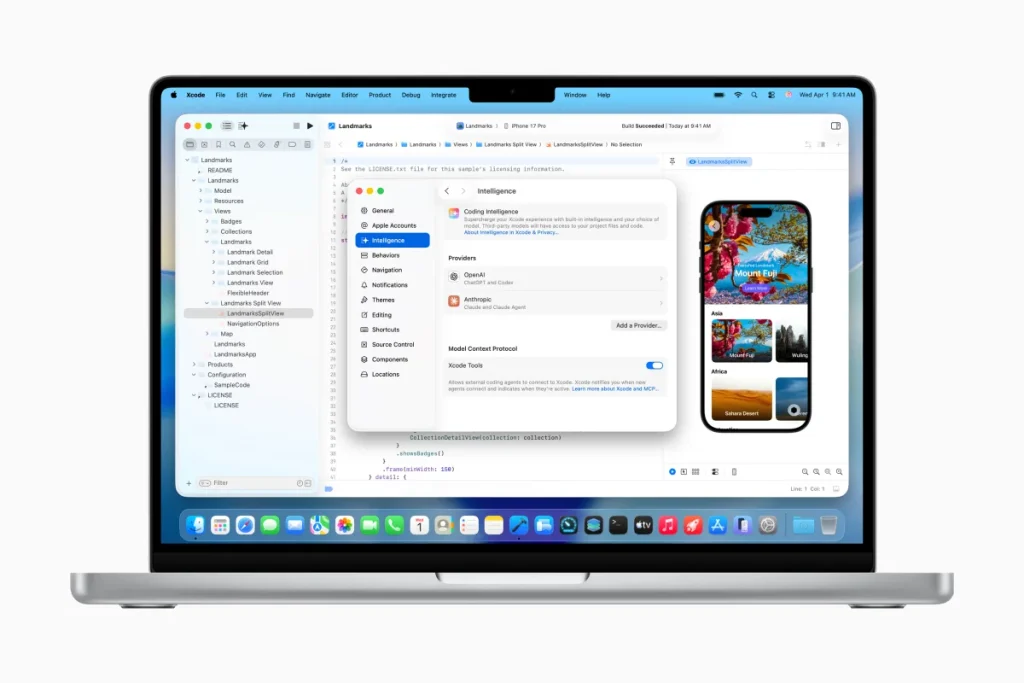
Image Credits:Apple
Apple Introduces Agentic Coding in Xcode 26.3
Apple has made significant strides in app development by incorporating agentic coding tools into its popular development environment. In its announcement on Tuesday, the tech giant unveiled the release of Xcode 26.3, enabling developers to utilize advanced coding tools such as Anthropic’s Claude Agent and OpenAI’s Codex directly within Xcode. This integration marks a transformative evolution in how developers can leverage artificial intelligence for their projects, streamlining workflows and enhancing productivity.
What’s New in Xcode 26.3?
The Xcode 26.3 Release Candidate is currently available for all Apple developers through the developer website, with a wider release expected in the App Store soon. This latest version builds on the foundation laid by Xcode 26, which was released last year and initially introduced support for AI-powered tools like ChatGPT and Claude. These enhancements significantly enrich the integrated development environment (IDE) used for creating applications across Apple’s ecosystem, including devices such as the iPhone, iPad, Mac, and Apple Watch.
Features of Agentic Coding
The incorporation of agentic coding tools empowers AI models to utilize more features from Xcode for executing tasks and automating complex processes. These tools also leverage Apple’s current developer documentation, ensuring that developers can work with the latest APIs and adhere to best practices while building their applications.
During its initial rollout, the agentic coding tools facilitate a range of functions for developers, including project exploration, structural understanding, and metadata analysis. They are designed to build projects and run tests, identifying and rectifying errors efficiently while ensuring that coding practices align with Apple’s standards.
Collaboration with AI Leaders
Apple’s collaboration with industry leaders Anthropic and OpenAI was crucial in developing this new experience. The company focused on optimizing token usage and tool connections to ensure efficient performance of these agents in Xcode. By leveraging the Model Context Protocol (MCP), Xcode exposes its capabilities to these external agents, thereby connecting them with necessary tools for tasks such as project discovery, modifications, file management, previews, and documentation access.
Getting Started with Agentic Coding
To utilize the agentic coding features, developers need to download the appropriate agents from Xcode’s settings. They can link their accounts with the AI providers either by signing in or adding their API key. A user-friendly drop-down menu allows developers to choose the desired version of the AI model, offering variations like GPT-5.2-codex or GPT-5.1-mini.
In a simple prompt box on the interface’s left side, developers can communicate their project requirements using natural language commands. This could involve instructing Xcode to add features using specific Apple frameworks or detailing how these features should operate visually within the application.
Transparency in Development
As the agent begins its work, it breaks tasks into manageable steps that make it easy for developers to track changes and understand their code’s evolution. The agents proactively fetch the necessary documentation before starting the coding process. Changes in code are visually highlighted, and a project transcript on the side of the screen offers insight into the underlying operations.
This level of transparency is particularly beneficial for novice developers. To support this demographic, Apple is launching a “code-along” workshop on its developer site. This event will allow participants to learn how to use agentic coding tools in real-time while working with their own copy of Xcode.
Testing and Iteration
Upon completing the coding process, the AI agent verifies that the code meets the specified requirements and functions as intended. If any issues arise, the agent can iterate on the project based on test results, addressing errors or other concerns. Notably, Apple points out that asking the agent to contemplate its strategies before proceeding with coding can enhance the overall workflow by promoting pre-planning.
Reverting Changes Made Easy
For developers who want to experiment without the fear of losing their original work, Xcode provides a safety net. Every time an agent makes a change, Xcode creates a milestone, allowing developers to revert to previous versions seamlessly. This feature fosters creativity and experimentation while maintaining stability within the development lifecycle.
Conclusion
With the launch of Xcode 26.3, Apple is at the forefront of integrating artificial intelligence into app development. By introducing agentic coding tools like Anthropic’s Claude and OpenAI’s Codex, Apple not only enhances the capabilities of developers but also fosters an environment of innovation and learning. As the coding landscape evolves, developers can look forward to more robust tools that help streamline their workflows and improve their coding practices.
By capitalizing on the advantages offered by AI, Apple is setting the stage for a new era of app development, empowering developers to bring their creative visions to life more efficiently and effectively than ever before.
Thanks for reading. Please let us know your thoughts and ideas in the comment section down below.
Source link
#Agentic #coding #Apples #Xcode #agents #Anthropic #OpenAI
About The Author