
Niv-AI Emerges to Enhance GPU Performance and Power Efficiency
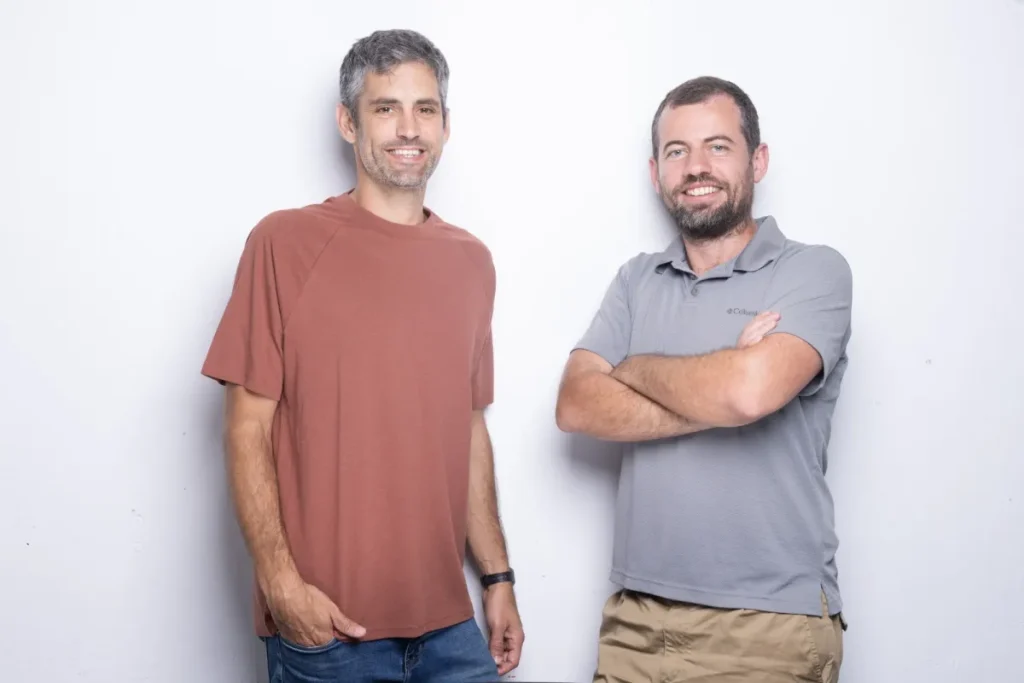
Image Credits:Niv-AI
The Power Challenge in Artificial Intelligence Data Centers
Electricity serves as a crucial resource in the realm of artificial intelligence (AI), yet recent advancements in processing techniques present a significant challenge for data center operators. Many are finding it increasingly difficult to manage their interactions with the power grid, resulting in the need to scale back operations by as much as 30%. Nvidia CEO Jensen Huang highlighted this issue during a keynote at the company’s annual GTC customer conference, emphasizing, “Every unused watt is revenue lost.”
Niv-AI: A New Player in the AI Power Management Space
In response to this growing concern, a Tel Aviv-based startup named Niv-AI has recently emerged from stealth mode, having secured $12 million in seed funding. The company aims to tackle the inefficiencies associated with GPU power consumption by implementing advanced monitoring systems. Niv-AI, founded in 2022 by CEO Tomer Timor and CTO Edward Kizis, has garnered backing from notable investors including Glilot Capital, Grove Ventures, Arc VC, Encoded VC, Leap Forward, and Aurora Capital Partners.
Understanding the Power Surges
As organizations deploy thousands of GPUs for training and running sophisticated AI models, they frequently encounter millisecond-scale surges in power demand. These fluctuations occur as GPUs switch between different computation tasks and communicate with one another. Unfortunately, such surges complicate the task of managing the power drawn from the grid. To maintain a steady supply of electricity, data centers often pay for temporary energy storage or throttle their GPU utilization. Both solutions ultimately reduce their return on investment in costly hardware.
Lior Handlesman, a partner at Grove Ventures and board member at Niv, pointed out the inadequacy of current practices: “We just can’t continue building data centers the way we build them now.”
Niv-AI’s Innovative Approach
Niv-AI’s first step toward solving this problem involves deploying rack-level sensors that monitor power usage on GPUs at a millisecond interval. This initiative aims to reveal the specific power profiles associated with different deep learning tasks, facilitating the development of techniques that will allow data centers to maximize their existing capabilities.
The engineering team plans to build an AI model based on the gathered data. This model will aim to predict and harmonize power loads across the data center, effectively acting as a “copilot” for data center engineers.
Niv-AI expects to have operational systems in several U.S. data centers within the next six to eight months. Given the increasing challenges faced by hyperscalers in expanding their data center footprint due to land-use issues and supply chain complications, Niv-AI’s solution appears both timely and promising.
Bridging the Gap Between Data Centers and the Grid
The founders of Niv-AI envision their final product as an essential “intelligence layer” that bridges the gap between data centers and the electrical grid. Timor elaborated on this dual-sided challenge, stating, “The grid is actually afraid of the data center consuming too much power at a specific time.” Niv-AI aims to help data centers utilize their GPU capacity more effectively while also creating more responsible power consumption profiles.
The Business Implications
The implications of Niv-AI’s technological advancements go beyond mere efficiency; they represent potential cost savings for data center operators. By better managing power consumption, data centers can minimize wasted electricity, thus elevating their profitability. Furthermore, as the demand for AI applications continues to surge, the need for effective power management becomes even more critical.
To understand this impact, consider that every watt of power that goes unused translates directly into lost revenue. As Niv-AI’s solutions begin to roll out in U.S. data centers, the potential for returning these lost watts to productive use could reshape the economics of AI deployment, enabling firms to better capitalize on their investments.
Future Outlook
As Niv-AI embarks on its mission, the startup joins a burgeoning field that seeks to rectify the inefficiencies plaguing AI and machine learning infrastructure. The successful implementation of their technology could establish new best practices for data center management and power usage, enabling firms to adapt to the rapidly evolving needs of the AI landscape.
The shift towards more efficient utilization of power will not only improve the operational capacity of data centers but will also contribute to sustainability efforts by lowering the carbon footprint associated with increased electrical consumption. With the right tools in place, AI-driven organizations can possibly see a future where electricity is utilized optimally, paving the way for more scalable and sustainable tech operations.
Conclusion
As the demands of artificial intelligence continue to rise, so too does the need for ingenious solutions to address associated power challenges. Startups like Niv-AI are stepping up to provide innovative answers to these pressing issues. By understanding power consumption dynamics and enhancing efficiency mechanisms, the potential exists for transformative changes not just within data centers, but across the broader context of AI technologies.
With the promise of becoming a pivotal player in the niche of data center power management, Niv-AI’s journey reveals a promising pathway toward an integrated and intelligent future, where both industries and the environment benefit from smarter electricity use. The countdown is on as we await the impact Niv-AI will have in optimizing our technological landscape, one watt at a time.
Thanks for reading. Please let us know your thoughts and ideas in the comment section down below.
Source link
#NivAI #exits #stealth #wring #power #performance #GPUs
About The Author