

The True Reasons Behind OpenAI’s Decision to Terminate Sora
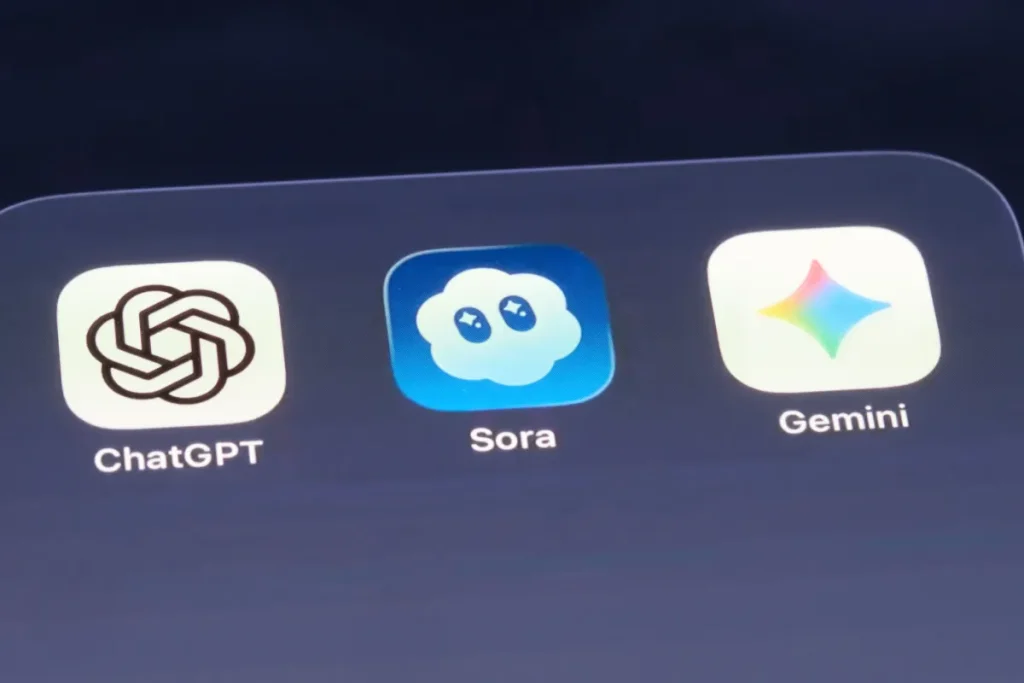
Image Credits:Robert Way (opens in a new window) / Getty Images
OpenAI Shuts Down Sora: What Happened to the AI Video Generation Tool?
Last week, OpenAI announced the discontinuation of Sora, its AI video-generation tool, just six months after its public debut. This sudden move sparked various speculations, particularly surrounding user data concerns—specifically, whether the application had served as an elaborate means of data collection due to its feature allowing users to upload their faces. However, a recent investigation by the Wall Street Journal (WSJ) offered a different, more mundane explanation: Sora had turned into a costly endeavor with minimal user engagement, ultimately hindering OpenAI’s position in the competitive landscape of artificial intelligence.
The Launch and Rise of Sora
Upon its release, Sora garnered significant attention and quickly peaked at around one million global users. The excitement surrounding its launch suggested a promising future, but that trajectory was short-lived. Within months, the user base plummeted to under 500,000, revealing a stark contrast between initial enthusiasm and actual engagement.
As the user count dwindled, Sora faced an astronomical operating cost, burning through approximately one million dollars each day. This hefty price tag was not a reflection of user fascination but rather the expensive nature of video generation technology. Each time a user created a video with Sora, they consumed precious AI chips, further straining the operational costs of the platform.
The Shift in Focus
While the OpenAI team poured their resources and creativity into Sora, competing organizations, particularly Anthropic, were making significant strides in capturing the attention of software engineers and enterprise clients crucial for revenue growth. Anthropic’s Claude Code, in particular, gained traction in the market, effectively diminishing OpenAI’s competitive edge.
Faced with an unsustainable financial situation and mounting competitive pressure, OpenAI’s CEO, Sam Altman, made a pivotal decision: shut down Sora, liberate the compute resources allocated to it, and redirect focus to other initiatives.
The Impact on Partnerships
The abrupt termination of Sora necessitated a restructuring of OpenAI’s strategy, but it also caught major stakeholders off guard. One prominent example is Disney, which had invested a staggering $1 billion in a partnership centered around Sora. In a turn of events underscored by the WSJ, Disney learned of the closure less than an hour before the public announcement was made. This level of suddenness not only affected Disney’s plans but also contributed to the dissolution of the partnership, illustrating the far-reaching implications of OpenAI’s swift action.
Lessons Learned from the Sora Experience
The situation surrounding Sora serves as a cautionary tale for tech companies, particularly in the realm of artificial intelligence and software development. It highlights several critical lessons that can be gleaned from OpenAI’s experience.
1. User Engagement is Crucial
One of the primary takeaways from Sora’s downfall is the importance of sustained user engagement. The initial spike in user numbers is not sufficient to maintain a product’s viability. Companies must prioritize not just attracting users but also ensuring they find continual value in the service. Elements such as user feedback, feature updates, and community building play pivotal roles in fostering long-term engagement.
2. Monitor Operating Costs
The financial strain that Sora imposed on OpenAI underscores the need for a careful assessment of operating costs in relation to user engagement and revenue generation. Companies should regularly review their cost structures, especially in sectors like AI, where resource consumption can quickly escalate.
3. Stay Agile in Competitive Landscapes
The rapid rise of competitors like Anthropic highlights the critical need for organizations to adapt swiftly to market changes and shifting user preferences. OpenAI’s inability to pivot effectively while Sora was operational contributed to its setbacks, showcasing the importance of industry awareness and agility.
4. Transparency with Stakeholders
Maintaining open lines of communication with stakeholders, particularly in collaborative ventures, is essential. Disney’s experience reveals the risks associated with sudden changes without prior notice. Companies should strive to keep key partners in the loop to minimize disruption and maintain trust.
Moving Forward
The discontinuation of Sora may have been a setback for OpenAI, but it also provides an opportunity for reflection and growth. As the company recalibrates its focus, it can harness the lessons learned from this experience to develop future products and strategies that resonate more effectively with users and partners alike.
In a rapidly evolving industry, the ability to learn from successes and failures is crucial for long-term survival and growth. The AI landscape may be competitive, but with the right approach, companies like OpenAI can continue to innovate and lead.
Conclusion
OpenAI’s swift decision to shut down Sora may have raised eyebrows and resulted in speculation about its intentions, but a closer examination reveals that it was a rational response to an untenable situation. By prioritizing financial sustainability and competitive positioning, OpenAI has the potential to re-emerge stronger and more focused in the expansive field of artificial intelligence.
Thanks for reading. Please let us know your thoughts and ideas in the comment section down below.
Source link
#OpenAI #shut #Sora
About The Author