

Poll shows 15% of Americans open to having an AI supervisor.
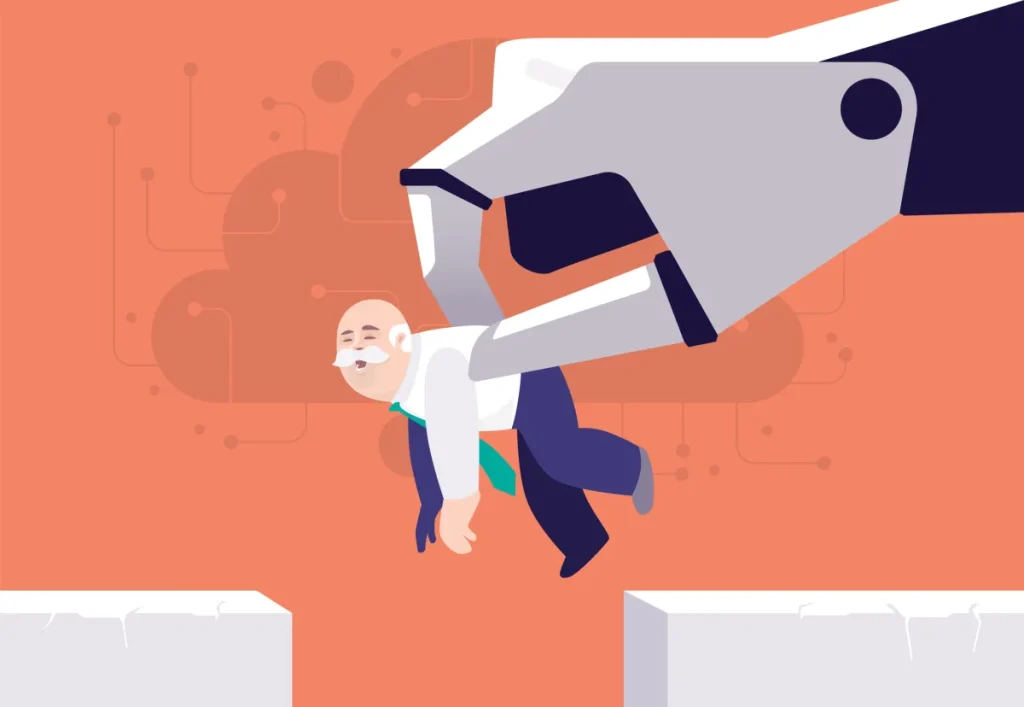
Image Credits:id-work / Getty Images
Would You Trade Your Manager for a Chatbot? The Rise of AI in the Workplace
The Growing Preference for AI Supervisors
In an intriguing development within the workplace, a recent poll from Quinnipiac University reveals that 15% of Americans would be open to having an AI program as their direct supervisor, handling tasks and setting schedules. Conducted between March 19 and March 23, 2026, the survey involved 1,397 adults and explored various topics, including AI adoption, trust, and concerns regarding job security.
While the notion of replacing a human manager with a chatbot may seem unconventional, it indicates a significant shift in attitudes toward technology in the workplace. Although most respondents (85%) prefer to retain a human boss, the increasing acceptance of AI in managerial roles reflects a broader trend that is transforming work environments.
Innovative Applications of AI in Management
Companies are increasingly integrating AI into their operations, especially in managerial functions. Workday has introduced AI agents capable of independently filing and approving expense reports, demonstrating how tech can streamline administrative tasks. This not only saves time for employees but also reduces overhead for employers.
Similarly, Amazon is leveraging AI workflows to assimilate the responsibilities typically held by middle management. This shift has led to the elimination of thousands of managerial positions, thereby prompting significant debates about the future of work and job security.
Interestingly, even executives are becoming subject to AI’s encroachment. Engineers at Uber have developed an AI model replicating CEO Dara Khosrowshahi, allowing it to handle routine pitches prior to meetings with the real executive. This not only optimizes decision-making but also reduces the time the CEO has to spend on repetitive tasks.
The Concept of “The Great Flattening”
The term “The Great Flattening” is increasingly used to describe how AI is dismantling traditional layers of management. This evolution could lead to businesses where a single individual operates an entire billion-dollar company, utilizing automation to manage roles that once required a team of employees and executives.
This level of automation allows organizations to become more agile, adapting quickly to market demands without the burden of hierarchical decision-making structures. As companies embrace this trend, we might witness a radical reconfiguration of how businesses operate.
Public Concern About Job Security
Despite the allure of AI’s efficiency and cost-saving potential, public sentiment reveals unease about the implications for employment. According to the Quinnipiac survey, 70% of respondents believe that advancements in AI will diminish job opportunities for human workers. Among employed individuals, 30% expressed significant concern—either very or somewhat—that AI could render their positions obsolete.
This growing anxiety underscores the need for a balanced discussion about the role of AI in the workplace. While the technology can enhance productivity and efficiency, it also raises questions about job displacement and the future of work for the average employee.
Navigating the Transition to AI
As AI continues to evolve, employees and organizations alike must navigate a transformative landscape. Here are several strategies to adapt to this changing environment:
1. Upskill and Reskill
In an era where AI is redefining job roles, individuals should prioritize upskilling and reskilling. Focusing on acquiring new competencies—especially those complementary to AI technologies—can enhance job security. Skills in critical thinking, creativity, and emotional intelligence will remain valuable assets that AI cannot easily replicate.
2. Embrace Lifelong Learning
The workplace is becoming a learning environment that values continuous education. Regularly updating skills and knowledge can make employees adaptable and more attractive to employers. Organizations should encourage a culture of lifelong learning to foster resilience among their teams.
3. Understand AI’s Limitations
While AI can effectively manage certain tasks, it lacks nuanced human understanding. Employees can capitalize on this by focusing on aspects of their roles that require empathy, intuition, and interpersonal skills. Understanding where AI excels and where it falls short allows individuals to position themselves effectively within their organizations.
4. Engage in Dialogue About AI
Conversations surrounding AI’s impact on work should be encouraged within organizations. Employers can facilitate discussions that promote education and awareness about AI technologies while addressing employee concerns about job security. Open dialogue fosters a culture of trust and reduces anxiety around technological changes.
5. Advocate for Ethical AI Use
As AI becomes more entrenched in workplace dynamics, ethical considerations should be priorities for organizations. This includes implementing practices that consider employee well-being, potential biases in AI algorithms, and ensuring transparent communication about AI’s role in the workplace.
The Future Landscape of Work
As AI continues to permeate various facets of the working world, its potential to reshape job functions and organizational structures is undeniable. While many Americans might currently hesitate to embrace an AI manager fully, the growing acceptance of AI technologies highlights a significant transformation in attitudes toward work.
While the fear of job loss is prevalent, the introduction of AI could also open new avenues for employment, particularly in roles that require human touchpoints or oversight of AI operations. In conclusion, as organizations adapt to the integration of AI, it will be crucial to engage employees, prioritize ethical considerations, and invest in skills training to navigate this brave new world effectively.
The challenge lies not just in the technology but in how we choose to harness it for a fair, equitable, and innovative future in the workplace.
Thanks for reading. Please let us know your thoughts and ideas in the comment section down below.
Source link
#Americans #theyd #work #boss #poll
About The Author