

Amazon competes with on-premises Nvidia “AI Factories” against rivals.
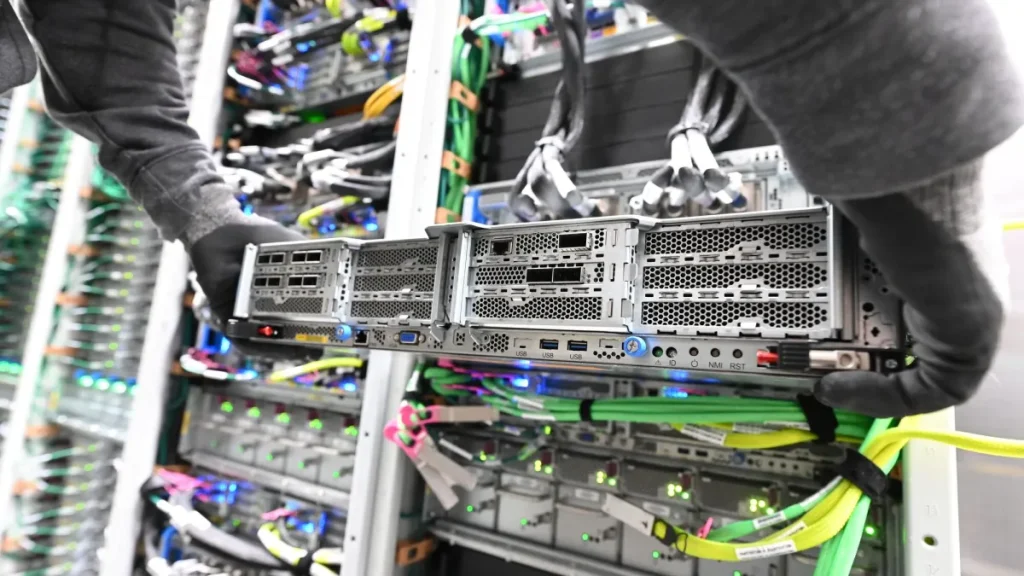
Image Credits:Amazon
Amazon Launches “AI Factories”: A Game-Changer for Data Sovereignty
In a bold move to address growing concerns around data sovereignty, Amazon Web Services (AWS) unveiled a new offering on Tuesday known as “AI Factories.” This innovative product allows major corporations and governments to deploy Amazon’s advanced AI systems directly within their own data centers. According to AWS, customers provide the physical infrastructure—power and data centers—while AWS integrates the AI technology, manages the systems, and links them to existing AWS cloud services.
What Are AI Factories?
AI Factories are designed for organizations that prioritize absolute control over their data, enabling them to mitigate concerns about sensitive information potentially falling into the hands of competitors or foreign adversaries. By utilizing an on-premise AI Factory, businesses no longer need to transfer their data to external model makers or share hardware, ensuring total operational security.
Collaboration with Nvidia
Interestingly, the term “AI Factory” may sound familiar, as it is also the name employed by Nvidia for its hardware systems that include essential tools for AI operations, ranging from GPU chips to advanced networking technology. In fact, the AWS AI Factory is a collaborative effort with Nvidia, combining both AWS and Nvidia technologies. This partnership allows companies to select either Nvidia’s latest Blackwell GPUs or Amazon’s new Trainium3 chip, thereby enhancing their AI capabilities.
The AI Factories utilize AWS’s robust infrastructure, including its proprietary networking, storage solutions, databases, and security features. Moreover, users can take advantage of Amazon Bedrock, a tool for AI model selection and management, and AWS SageMaker, which facilitates model building and training.
The Rising Trend of AI Factories
AWS is not alone in its initiative. Recently, Microsoft also showcased its commitment to AI Factories, revealing plans to implement them across its global data centers to handle OpenAI workloads. While Microsoft did not initially indicate these machines would be made available for private cloud arrangements, they highlighted their reliance on Nvidia’s AI Factory technology to develop and connect new “AI Superfactories” in states such as Wisconsin and Georgia.
Furthermore, Microsoft recently outlined its strategy to establish local data centers and cloud services, directly addressing the data sovereignty concerns echoed across various sectors. Among its offerings is “Azure Local,” a managed hardware solution that can be installed on customer premises.
The Irony of AI and Data Centers
What’s particularly ironic is that the surge in AI capabilities has prompted significant investments from major cloud providers back into corporate private data centers and hybrid cloud solutions, reminiscent of the trends witnessed over a decade ago. This shift brings to light the evolving landscape of data privacy and the ongoing quest for sovereignty in an increasingly interconnected world.
While organizations seek greater control over their data, the infrastructure investments required to facilitate such autonomy may compel them into familiar territories of hybrid cloud setups and on-premise solutions. As a result, the relationship between AI technology and data management is more crucial than ever.
Implications for Corporate and Government Entities
For corporations and government agencies, the introduction of AI Factories represents a significant advancement in how they can leverage AI technology while maintaining stringent data sovereignty standards. This capability allows them to utilize powerful AI tools without relinquishing control over sensitive information, a growing requirement in today’s data-driven environment.
Benefits of Amazon’s AI Factories
- Enhanced Control: Businesses have complete oversight of their proprietary data, reducing the risk of exposure to competitors.
- Integration with Existing Systems: Firms can leverage existing AWS services with the new AI systems, creating a seamless operational experience.
- Customizable Options: Companies can choose between using Nvidia’s Blackwell GPUs or Amazon’s proprietary Trainium3 chip based on their specific requirements.
- Data Sovereignty: By housing AI systems on-premise, organizations can safeguard against external threats to data privacy.
Conclusion: The Future of AI and Data Sovereignty
The advent of AWS’s AI Factories marks a pivotal moment in the intersection of artificial intelligence and data governance. As more companies and government organizations seek robust, secure solutions to harness AI’s transformative potential, AWS’s offering stands to redefine how entities manage their data while utilizing cutting-edge technology.
The movement towards on-premise AI systems underscores a growing realization that while AI can drive innovation, the safeguarding of sensitive information remains paramount. As both tech giants like Amazon and Microsoft invest in these capabilities, the future landscape could see a resurgence of hybrid cloud solutions and private data centers, much like the trends of the late 2000s.
As we move forward in this arena, the delicate balance between leveraging AI technology and ensuring data sovereignty will be crucial to understanding how organizations navigate the complexities of modern digital challenges, setting the stage for a new era in data privacy and AI innovation.
Thanks for reading. Please let us know your thoughts and ideas in the comment section down below.
Source link
#Amazon #challenges #competitors #onpremises #Nvidia #Factories
About The Author