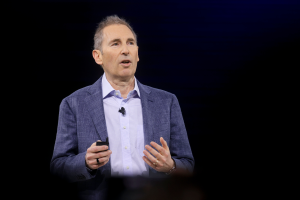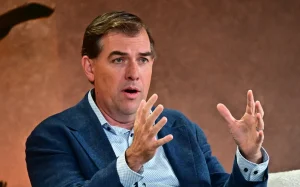

Anthropic CEO remains resolute as Pentagon’s deadline approaches.
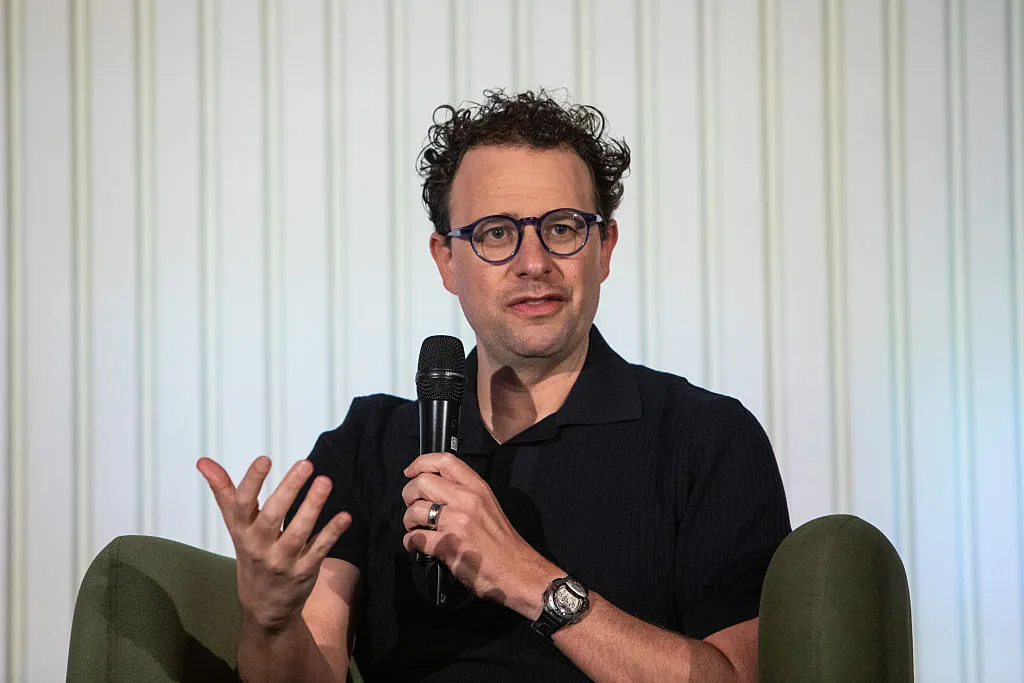
Image Credits:Samyukta Lakshmi/Bloomberg / Getty Images
Anthropic CEO Dario Amodei Refuses Military’s Request for Unrestricted AI Access
In a bold statement released Thursday, Anthropic’s CEO, Dario Amodei, conveyed that he cannot, in good conscience, comply with the Pentagon’s request for unrestricted access to the company’s advanced AI systems. This decision reflects broader concerns regarding the ethical implications of AI deployments in military contexts.
The Ethical Dilemma of AI in Military Use
Amodei articulated his stance by emphasizing that while Anthropic acknowledges the Department of War’s authority in military decisions, there are specific instances where AI technology could compromise, rather than protect, democratic values. “Some uses are also simply outside the bounds of what today’s technology can safely and reliably do,” he asserted.
Two major concerns highlighted by Amodei include:
-
Mass Surveillance of Citizens: The potential of AI to enable widespread surveillance raises serious questions about privacy.
-
Fully Autonomous Weapons: The idea of deploying weapons systems that operate without human oversight poses significant ethical dilemmas.
Pentagon’s Perspective and Ultimatum
According to the Pentagon, Anthropic’s model should be available for all lawful military purposes, and decisions about its usage should not be dictated by private companies. Defense Secretary Pete Hegseth has put Anthropic on notice, stating a deadline of Friday at 5:01 p.m. for the company to either comply with its demands or face potential repercussions.
Amodei pointed out the contradictions in the Pentagon’s approach. The Department of Defense (DoD) has attempted to leverage two opposing claims: labeling Anthropic as a supply chain risk—an allegation typically reserved for foreign adversaries—while simultaneously asserting that the company’s AI, particularly their model known as Claude, is essential to national security.
The Implications of Labeling
Amodei’s perspective on the contradiction speaks volumes about the complexity of government contracts with private tech firms. “One label describes us as a security risk; the other designates our technology as vital to national security,” he argued. This inconsistency presents challenges not only for Anthropic but also for the DoD’s efforts in building robust partnerships with technological innovators.
The ability of the Pentagon to invoke the Defense Production Act (DPA) adds another layer of urgency to this situation. The DPA gives the president broad powers to compel companies to prioritize national defense-related projects, raising concerns about the balance of power between government entities and private sector companies.
A Call for Reconsideration
In his statement, Amodei acknowledged the right of the Pentagon to select contractors that align with their operational philosophy. However, he expressed hope that the DoD would reconsider its stance given the significant capabilities that Anthropic’s technology contributes to the armed forces. “Our strong preference is to continue to serve the Department and our warfighters—with our two requested safeguards in place,” he stated.
Preparing for a Possible Parting of Ways
Should the Department of Defense choose to sever ties with Anthropic, Amodei has indicated that the company would facilitate a smooth transition to another provider. This commitment aims to prevent any disruptions in military operations, planning, or crucial missions that may be affected by such a move.
“Our intention is to support national security objectives while maintaining ethical standards. Should it come to that, we can part ways amicably; there’s no need for animosity,” he remarked.
The Unique Position of Anthropic
Anthropic stands out as the only frontier AI lab with systems classified and ready for military application. The company has drawn attention for developing AI technologies that prioritize safety and reliability. Despite ongoing efforts, it seems that the Department of Defense is also preparing alternative solutions such as partnering with xAI for the same capacity. This shift could further complicate the relationship between Anthropic and the Pentagon.
Conclusion
Dario Amodei’s refusal to comply with the Pentagon’s request underscores the critical importance of ethical considerations in AI development and deployment, especially when it relates to military applications. As the debate over technology’s role in warfare continues, both the private sector and government must navigate the complexities of partnership while prioritizing democratic principles and ensuring technological safety.
The situation serves as a reminder of the responsibilities that come with technological advancement. It highlights the need for transparent discussions between tech companies and military entities to foster an environment where innovation can support national security without undermining ethical standards.
As Anthropic navigates this challenging landscape, its ability to encourage a dialogue around responsible AI use could set important precedents not just for future military contracts, but also for broader implications in the tech landscape. Whether or not a compromise can be reached remains to be seen, but the stakes are undeniably high, requiring careful consideration from all parties involved.
Thanks for reading. Please let us know your thoughts and ideas in the comment section down below.
Source link
#Anthropic #CEO #stands #firm #Pentagon #deadline #looms
About The Author