Anthropic Suspends OpenClaw Creator’s Access to Claude Temporarily
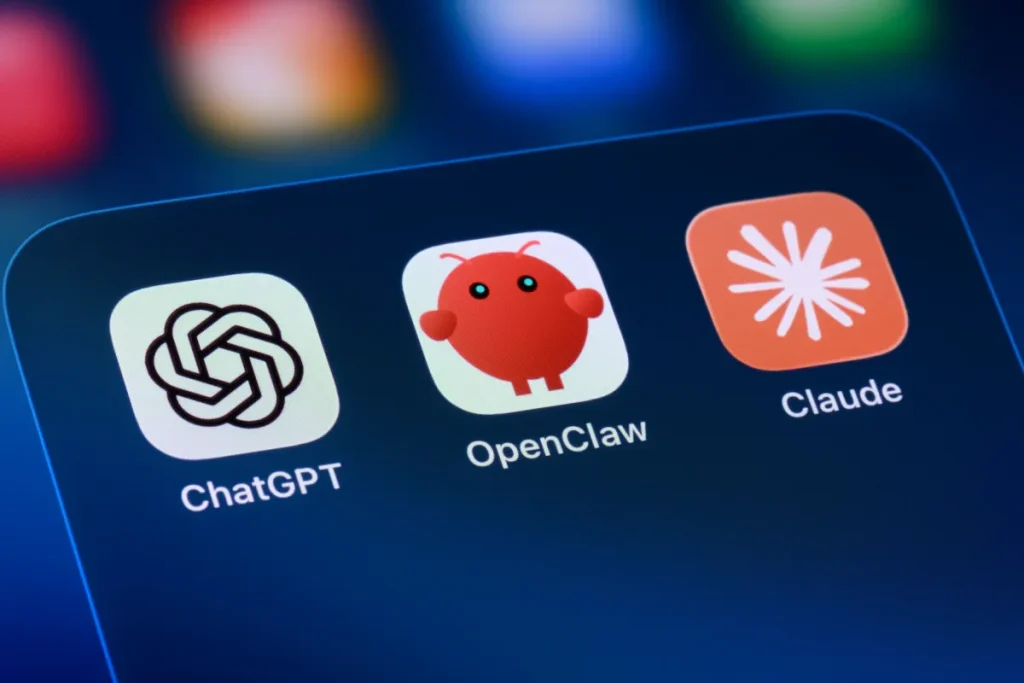
Image Credits:Kenneth Cheung / Getty Images
OpenClaw Creator Faces Account Suspension and Pricing Challenges with Anthropic Models
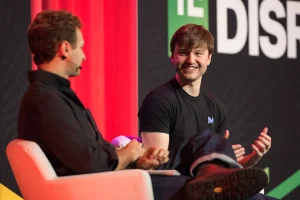
In a recent series of events that has sent ripples through the AI community, OpenClaw creator Peter Steinberger took to social media platform X to express concerns about the future compatibility of his tool with Anthropic models. On Friday morning, he shared a message revealing that his account had been suspended due to “suspicious” activity. This development has raised questions regarding the relationship between open-source tools and proprietary AI models.
Account Suspension and Quick Reinstatement
The suspension was short-lived. Within hours of Steinberger’s post going viral, he announced that his account had been reinstated. The incident attracted numerous comments, many from users posting speculative theories, especially given that Steinberger now works for OpenAI, a direct competitor of Anthropic. Among the comments was a response from an Anthropic engineer who assured him that the company had never banned anyone for utilizing OpenClaw and offered to assist Steinberger in resolving any issues.
While it remains unclear if the engineer’s involvement was instrumental in restoring Steinberger’s account—as queries to Anthropic have gone unanswered—the entire exchange reflects the brewing tensions between open-source developers and established AI companies.
Background on the Recent Pricing Changes
Steinberger’s account suspension followed the announcement from Anthropic indicating a crucial shift in its pricing structure. The company stated that subscriptions to its Claude models would no longer include access to “third-party harnesses,” including OpenClaw. This effectively meant that OpenClaw users would have to pay separately for its usage through Claude’s API, signaling what many are calling a “claw tax.”
Steinberger noted that despite adhering to the new guidelines and utilizing the API correctly, he still found himself banned. Anthropic justified this pricing alteration by explaining that existing subscriptions weren’t designed to accommodate the heightened “usage patterns” associated with claws, which are often more resource-intensive than standard prompts or scripts. The nature of claws involves continuous reasoning loops and automated task management that demand greater computational resources.
Skepticism Surrounding Anthropic’s Reasoning
Despite this justification, Steinberger expressed skepticism concerning Anthropic’s rationale for the new pricing policy. He pointed out a curious coincidence, noting, “Funny how timings match up; first, they copy some popular features into their closed harness, then they lock out open source.” Specifically, he seemed to hint at new capabilities integrated into Claude’s agent Cowork, such as Claude Dispatch, which allows users to remotely manage agents and assign tasks. These features were introduced shortly before Anthropic adjusted its OpenClaw pricing policy, suggesting a potential shift in competitive strategy.
Frustration and Allegations of Favoritism
Steinberger’s frustrations were evident in multiple interactions. A commenter suggested that his predicament was partly self-inflicted due to his decision to join OpenAI rather than Anthropic, stating, “You had the choice, but you went to the wrong one.” Steinberger’s retort was sharp: “One welcomed me, one sent legal threats.” This interaction encapsulates the competitive tension in the AI sector, where choices can have significant ramifications.
When questioned about his usage of Claude instead of OpenAI’s models, Steinberger clarified his position: he only uses Claude for testing purposes to ensure updates to OpenClaw maintain compatibility for users relying on Claude.
OpenClaw and Its Future
Steinberger made it clear that his roles—one at the OpenClaw Foundation and another at OpenAI—are separate. His focus at OpenClaw is to ensure its functionality remains versatile across multiple AI model providers, while his work at OpenAI involves assisting with future product strategies.
As multiple commenters noted, testing Claude is necessary due to its widespread acceptance among OpenClaw users, who appear to prefer it over alternatives like ChatGPT. When asked about the recent changes to Anthropic’s pricing, Steinberger simply responded: “Working on that,” hinting at potential strategic solutions under development during his tenure at OpenAI.
The Implications of Open Source vs. Proprietary Models
This incident underscores the growing tension between open-source and proprietary AI models. With heightened competition among AI providers, the relationship dynamics among developers, companies, and their respective user bases are evolving rapidly. Developers like Steinberger are increasingly finding themselves at the crossroads of innovation and corporate interests.
Conclusion
The unfolding situation between OpenClaw and Anthropic raises significant questions about the future of tool compatibility in the AI landscape. As companies like Anthropic revise their business models, open-source developers like Steinberger must navigate these complexities while striving to provide value to their user communities. Ultimately, the event serves as a case study in the ongoing struggle between open-source accessibility and proprietary constraints in the world of artificial intelligence. The repercussions of these dynamics are likely to shape the direction of AI tool development for years to come.
Steinberger’s journey continues to highlight the challenges and opportunities that lie ahead for innovators in the AI space. As he seeks to keep OpenClaw relevant and functional, his experiences will resonate with many in the tech community wrestling with similar dilemmas.
Thanks for reading. Please let us know your thoughts and ideas in the comment section down below.
Source link
#Anthropic #temporarily #banned #OpenClaws #creator #accessing #Claude
About The Author