
Bernie Sanders and AOC Advocate for Moratorium on New Data Center Building
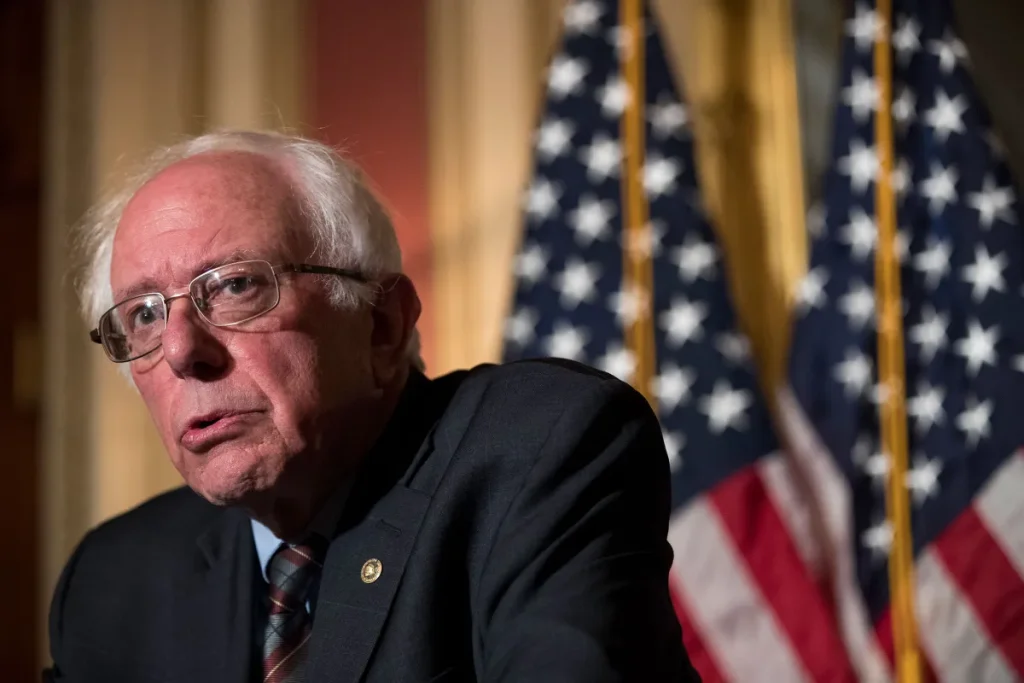
Image Credits:Drew Angerer / Getty Images
Growing Concern Over Data Centers in the U.S.
The surge in new data center projects across the United States has ignited significant public concern and backlash regarding the infrastructure that supports artificial intelligence (AI). As data centers play a crucial role in powering AI technologies, influential lawmakers, including Senator Bernie Sanders of Vermont and Representative Alexandria Ocasio-Cortez of New York, are stepping in to propose consequential measures. Their new companion legislation seeks to impose a ban on any data centers with peak power loads exceeding 20 megawatts until comprehensive AI regulations are established by Congress.
A Call for Regulatory Action
The duo’s initiative emerges against a backdrop of escalating apprehension among technology leaders who have voiced their fears about the risks associated with unchecked AI development. Prominent figures such as Elon Musk have been vocal about their concerns, with Musk famously stating, “AI is far more dangerous than nukes. So why do we have no regulatory oversight?” Additional tech luminaries like Demis Hassabis, the CEO of Google DeepMind, Dario Amodei of Anthropic, OpenAI’s Sam Altman, and Nobel Prize-winner Geoffrey Hinton have echoed similar calls for stricter regulations and even pauses on new AI developments.
Public Sentiment on AI
Recent surveys indicate that the American public shares significant concerns about AI. A March Pew Research poll revealed that a considerable majority of Americans are more apprehensive than excited about the technology, with only 10% of respondents expressing that their excitement outweighed their worries. This apprehension raises questions about the balance between innovation and safety in the rapidly evolving tech landscape.
Political Challenges Ahead
While Sanders and Ocasio-Cortez’s proposal aims to address these concerns, navigating the political landscape to enact such legislation may prove challenging. The substantial financial clout of AI companies, coupled with fears of an AI arms race against competitors like China, adds a layer of complexity to the legislative process. Many lawmakers may be hesitant to impose strict regulations that could jeopardize the country’s competitive edge in a global technology race.
Provisions of the Proposed Legislation
The proposed legislation by Sanders and Ocasio-Cortez is not just a ban on new data centers; it serves as a preliminary framework for what comprehensive AI regulations could look like in the U.S. Key features of this bill include:
1. Model Review and Certification
One of the bill’s primary objectives is to mandate that the U.S. government review and certify AI models before their commercial release. This includes scrutinizing algorithms to ensure that they align with ethical and safety standards.
2. Protection Against Job Displacement
Recognizing the potential for AI to disrupt employment, the legislation seeks to enact protections aimed at minimizing job loss resulting from AI implementation. This aspect of the bill signifies a commitment to safeguarding workers in an increasingly automated economy.
3. Environmental Impact Reduction
Sustainability is another crucial element of the proposed regulations. The lawmakers aim to limit the environmental impact of data infrastructure, aligning the growth of AI technology with ecological considerations. This includes promoting energy-efficient practices and renewable energy usage in data center operations.
4. Labor Union Requirements
Also noteworthy is the emphasis on requiring union labor in the construction of data centers. This provision aims to support fair labor practices and ensure worker representation in the rapidly expanding tech sector.
5. Chip Export Regulations
In an effort to maintain competitive equality, the legislation seeks to prohibit the export of advanced chips to countries lacking strict regulations on AI. As of now, this represents the majority of nations globally. Limiting exports of crucial technology is a strategy aimed at ensuring that powerful AI capabilities do not fall into the hands of unregulated economies.
Looking Ahead: The Future of AI Regulation
While the proposed bill by Sanders and Ocasio-Cortez serves as a starting point for deliberations on AI regulation, it signals a growing acknowledgment of the need for a comprehensive framework to guide AI’s development responsibly. The rapid evolution of technology necessitates timely regulatory measures to ensure the safety and well-being of society as a whole.
In the face of mounting public concerns, the proposed legislation may foster substantive discussions surrounding the ethical implications of AI. Future considerations may also include public input, expert consultations, and partnerships with tech companies to create a balanced approach to AI oversight.
As the debate on the regulation of AI technologies continues to unfold across the political landscape, it remains to be seen how Congress will respond to the pressing need for oversight. The potential impacts of such legislative measures could have far-reaching consequences for the technology sector and society as a whole.
Conclusion: A Call for Responsible AI Development
As data centers proliferate and AI technologies become increasingly integrated into everyday life, public concern is only likely to grow. The legislative actions proposed by Senator Bernie Sanders and Representative Alexandria Ocasio-Cortez reflect a broader call for responsible AI development that prioritizes ethical considerations, environmental impacts, and the welfare of workers.
The evolving discussions around AI regulation will play an essential role in shaping the future landscape of technology. Balancing innovation with responsibility will require collaboration among lawmakers, tech leaders, and the public. As society navigates the complexities of AI and its implications, proactive measures may be necessary to ensure that technological progress aligns with the values and needs of the population.
Thanks for reading. Please let us know your thoughts and ideas in the comment section down below.
Source link
#Bernie #Sanders #AOC #propose #ban #data #center #construction
About The Author