
CES 2026: Key Highlights from Nvidia, AMD, and Razer’s Latest Innovations
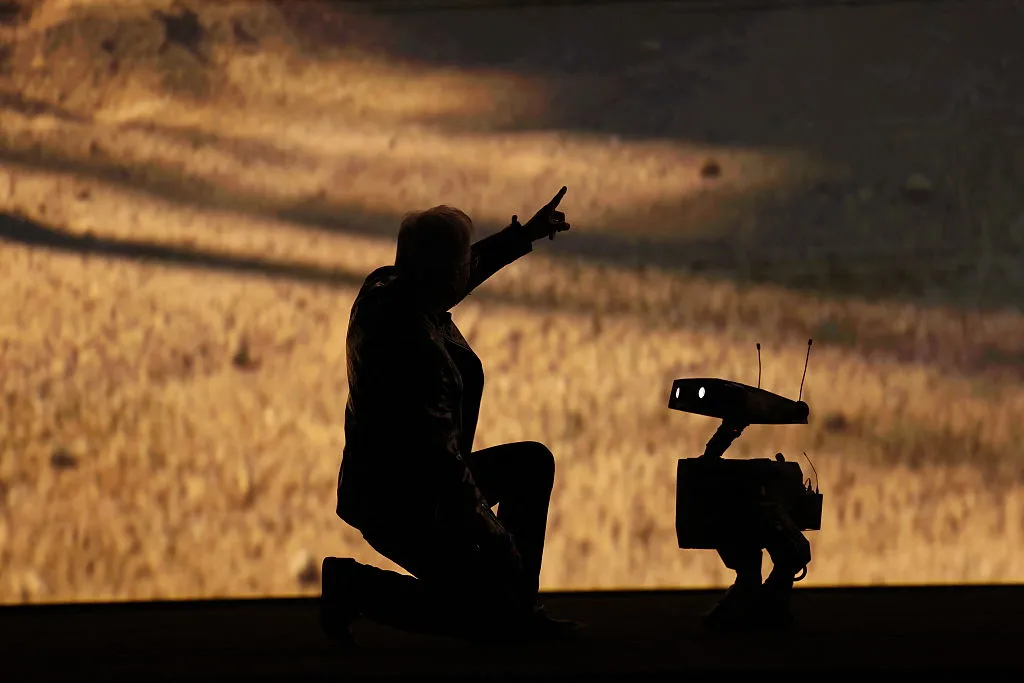
Image Credits:Patrick T. Fallon / Getty Images
CES 2026 Highlights: Innovations and Surprises from Las Vegas
As CES 2026 comes to a close in Las Vegas, the consumer tech industry prepares for its return home. Over the past few days, tech giants like Nvidia, Sony, and AMD have unveiled their latest innovations alongside emerging startups showcasing cutting-edge products at the annual Unveiled event. This year’s event prominently featured AI, which has remained a central theme for the past two years, while also highlighting a resurgence in hardware upgrades and robotics.
The Rise of Physical AI
This year, the focus shifted from agentic AI to physical AI, a trend evident on the show floor and at various press events. Robotics took center stage, with numerous demonstrations showcasing how robots are becoming increasingly integral to various industries. As companies embrace AI-driven innovations, the emergence of physical AI demonstrates a significant evolution in technology application.
Recap of Major Announcements
To catch up on reactions and insights from our team, check out our live blog archive. Here, we summarize some of the most noteworthy announcements that grabbed attention during CES.
Nvidia’s Advancements in Autonomous Vehicles
Nvidia’s CEO, Jensen Huang, delivered a comprehensive keynote addressing the company’s AI achievements while previewing the future landscape of 2026. Central to his presentation was the introduction of the Rubin computing architecture, which is designed to meet the escalating computational needs of modern AI technologies. Expected to replace the existing Blackwell architecture this year, it promises speed and storage enhancements that could redefine computing performance.
Nvidia also showcased its Alpamayo family of open-source AI models aimed at revolutionizing autonomous vehicles. This demonstrates Nvidia’s ambition to create an ecosystem akin to Android for general-purpose robotics.
AMD’s Keynote: New Processors and Collaborations
Kicking off the event, AMD’s chair and CEO, Lisa Su, presented the company’s latest processors alongside notable partners, including OpenAI’s Greg Brockman and AI visionary Fei-Fei Li. AMD’s Ryzen AI 400 Series processors aim to broaden the accessibility of AI within personal computing, marking a significant shift in how AI can enhance everyday devices.
Unexpected Highlights from CES
As product reveals wrapped up, the event shifted focus to some of the quirkier offerings that nonetheless sparked interest. Industry discussions ranged from strategies to navigate the evolving tech landscape to previewing new media series and innovative services.
Ford’s AI Assistant
Ford announced the forthcoming debut of its AI assistant, currently launched in its app and planned for integration into vehicles by 2027. Developed in collaboration with Google Cloud, this AI harnesses off-the-shelf large language models to enhance driver experience, though limited details were provided about its specific functionalities.
Caterpillar and Nvidia’s Partnership in AI for Construction
In a crucial collaboration, Caterpillar and Nvidia launched the “Cat AI Assistant,” designed to enhance automation in construction machinery. This announcement builds on the companies’ shared vision to harness AI’s capabilities for improved project planning and execution.
The Clicks Communicator: A Throwback to Classic Phones
Among the most talked-about devices was the Clicks Communicator, priced at $499, which evokes nostalgia with its physical keyboard. The company also launched a separate slide-out keyboard for use with multiple devices, appealing to enthusiasts of traditional mobile tech.
LG’s ROBOT: CLOiD
LG devoted a significant portion of its presentation to its home robot, CLOiD. However, initial demonstrations raised eyebrows when the robot’s performance appeared slow and limited. Observers noted its inelegant maneuvers, such as delicately placing a shirt in a dryer, with the showcase relying heavily on pre-prepared video content to portray potential use cases.
eufyMake’s Affordable UV Printer
Introducing the eufyMake E1, this UV printer aims to democratize printing for personal use at $2,299, making it accessible for individuals looking to print directly onto various items like mugs and phone cases—an innovation that could empower creators.
MyCommuters: Rethinking Office Space
MyCommuters provides a fresh perspective on office space solutions. By analyzing commute times and costs, the platform helps businesses locate optimal office spaces that enhance employee satisfaction and productivity.
Skylight Calendar 2: Family Planning Made Easy
This advanced calendar tool optimally syncs multiple calendars while utilizing AI capabilities to generate reminders and to-dos based on user interactions. It aims to facilitate better family planning and coordination.
Boston Dynamics and Google’s Collaboration on Atlas Robots
Hyundai emphasized its cooperative efforts with Boston Dynamics and Google, focusing on training and operating Atlas robots. Their ongoing partnership aims to push the boundaries of humanoid robotics further.
Amazon’s AI-Powered Alexa+ Updates
Amazon responded to the growing demand for AI with an update to Alexa, featuring Alexa.com for Early Access users. Through optimized browser and app experiences, the company aims to integrate its AI capabilities more seamlessly into everyday life.
Razer’s Projects: AVA and Motoko
Razer diverged from its history of eccentric hardware announcements to introduce Project Motoko, a smart glasses-like experience that eliminates the need for physical eyewear. Alongside this, Project AVA presents an interactive AI avatar designed to enhance the user’s workspace.
Lego’s CES Debut: Smart Play System
Lego made its first appearance at CES, showcasing its Smart Play System that enables interaction among bricks, tiles, and Minifigures, complemented by sound effects—an exciting addition for young creators.
Conclusion
As CES 2026 wraps up, the blend of innovative hardware and robust software underlines the tech industry’s trajectory towards AI integration. With significant collaborations and eye-catching products emerging from the show, it’s clear that the consumer tech landscape is evolving rapidly. As we look ahead, the spotlight will remain on how these advancements will shape the everyday experiences of consumers and industries alike.
Thanks for reading. Please let us know your thoughts and ideas in the comment section down below.
Source link
#CES #revealed #Nvidias #debuts #AMDs #chips #Razers #oddities
About The Author