

“College Dropout” Is the New Gold Standard for Startup Founders
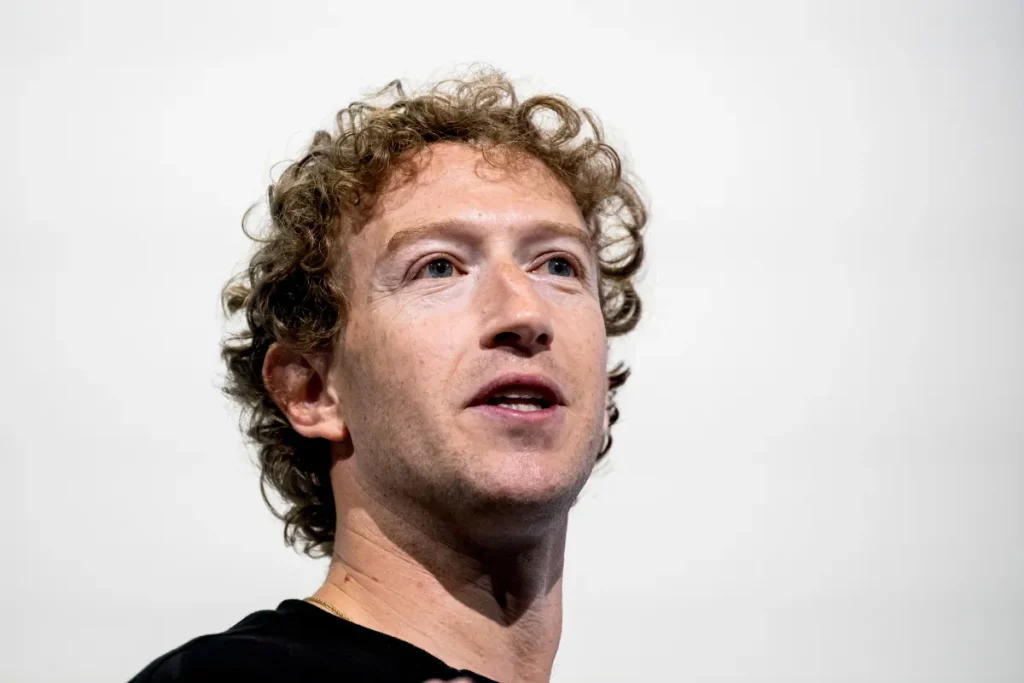
Image Credits:David Paul Morris/Bloomberg / Getty Images
The Dropout Dilemma: A Look at Startup Founders Without Degrees
While renowned entrepreneurs like Steve Jobs, Bill Gates, and Mark Zuckerberg exemplified success despite not completing their college education, research consistently indicates that most successful startups are led by founders who possess bachelor’s or graduate degrees. The question arises: does a degree hold value, or can the dropout narrative still prevail, especially in the vibrant world of tech startups?
The Current Trend of Dropout Founders
The allure of dropout founders remains strong, oscillating in and out of favor in the venture capital community. Currently, this trend is gaining traction, particularly during the AI boom, where the tech landscape is rapidly evolving.
Y Combinator: A Hotbed for Dropout Narratives
One noted manifestation of this phenomenon can be seen at Y Combinator Demo Days. Here, more and more founders are emphasizing their dropout status during their one-minute pitches. Katie Jacobs Stanton, founder and general partner of Moxxie Ventures, observes that although Y Combinator doesn’t officially track dropout status, anecdotal evidence suggests a significant number of recent founder batches are highlighting their educational exits.
“Being a dropout is a kind of credential in itself,” Stanton suggests. “It reflects a deep conviction and commitment to building something new, and it’s increasingly viewed positively within the venture ecosystem.”
Education vs. Entrepreneurship: A Balancing Act
Despite many young entrepreneurs leading the AI wave, a considerable number still prioritize obtaining their degrees. Notable examples include Michael Truell from MIT and Scott Wu from Harvard, both of whom chose to complete their education before launching their startups.
However, a growing sense of urgency is prompting aspiring entrepreneurs to question whether completing their degrees might mean missing out on vital opportunities in the rapidly evolving AI building cycle. For instance, Brendan Foody, co-founder of Mercor, made headlines by leaving Georgetown University to focus on his venture, putting the urgency of the present ahead of academic achievements.
The Urgent Calculus of Decision-Making
Kulveer Taggar, founder of Phosphor Capital, encapsulates this sentiment perfectly: “There’s just this sense of urgency and maybe FOMO,” referring to the fear of missing out on essential market opportunities. Today’s founders are caught in a dilemma: “Should I finish my degree, or should I jump into building my startup?”
In extreme cases, this overwhelming fear has led students to abandon their degrees at the last moment. A recent account shared by a professor at an elite university recounted a student who walked away from his education just before graduation, believing that having a diploma might tarnish his fundraising prospects.
The Dropout Perception: Is It a Benefit or a Barrier?
While dropout founders may view formal degrees as potential red flags, not all venture capitalists are swayed by this narrative. Yuri Sagalov, who spearheads General Catalyst’s seed strategy, offers a more nuanced view. He posits that VCs often pay less attention to whether a founder graduated, especially if they are nearing the end of their program. “I’ve never noticed a difference in perspective regarding someone who is on the verge of graduation but decides to drop out,” Sagalov asserts.
The Value of Network and Brand
Regardless of educational completion, Sagalov emphasizes the importance of the social network and university brand that comes with attending college. “You gain significant social value just from your participation,” he says. Most people check LinkedIn profiles rather than delving into the specifics of whether someone graduated, implying that a university affiliation can add credibility.
The Divergent Views Among Investors
While many in the investing community echo the belief that it is possible for founders to succeed without a degree, the sentiment is not unanimous. Wesley Chan, co-founder of FPV Ventures, takes a more conservative approach to investing in dropouts. He underscores the significance of ‘wisdom,’ a trait that he feels young founders often lack.
“Wisdom is typically found in older founders or those who carry a few scars from past experiences,” Chan explains. His viewpoint highlights an essential factor in entrepreneurship: the necessity of life experience, which can translate into better decision-making and risk assessment.
The Evolution of the Startup Landscape
As the tech landscape continues to evolve, the dropout narrative and the traditional educational pathway must coexist, each offering distinct advantages and challenges. Given the rapid advancements within technology sectors, particularly in AI, students are navigating a fine line between education and entrepreneurship, creating a dynamic tension that shapes the future of startup culture.
Conclusion: The Path Less Taken
In the end, the choice between completing a degree or jumping straight into entrepreneurship is inherently personal and varies from one individual to another. Success does not have a one-size-fits-all formula; both paths can yield fruitful outcomes. The stories of dropout founders serve as inspirations, but also as warnings against neglecting the value of education and experience.
As we continue to witness a wave of innovation and the birth of new startups, it will be fascinating to observe how the perceptions of degree holders and dropouts evolve. One thing is clear: the tech industry will remain a landscape where both bold decisions and careful calculations coexist, driving the next generation of entrepreneurs forward.
Thanks for reading. Please let us know your thoughts and ideas in the comment section down below.
Source link
#College #dropout #coveted #startup #founder #credential
About The Author