

web analytics

Learn AI With Kesse | Best Place For AI News

We make artificial intelligence easy and fun to read. Get Updated AI News.

DoorDash bans driver for allegedly using AI to simulate a delivery.
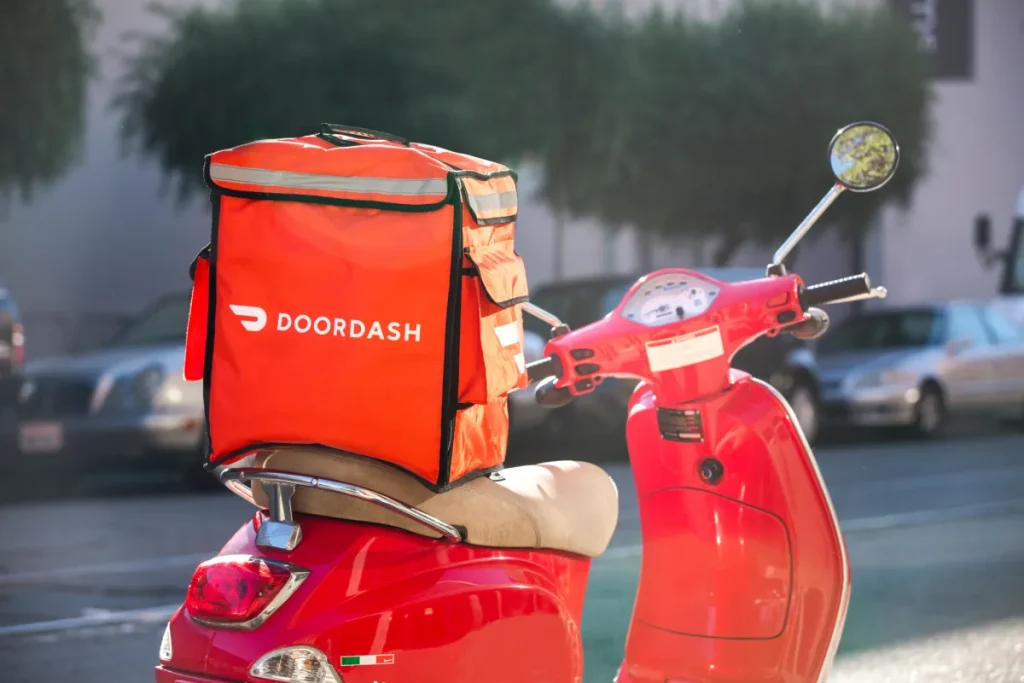
DoorDash scooter

Image Credits:DoorDash

DoorDash Driver Allegedly Uses AI-Generated Photo to Falsify Delivery

DoorDash has recently encountered a controversy involving a delivery driver who reportedly used an AI-generated image to falsely indicate that a delivery had been made. This incident, initially shared by Austin resident Byrne Hobart on his X social media account, has sparked widespread attention and debate about the implications of technology in food delivery services.

The Viral Story on Social Media

Byrne Hobart took to social media to share his shocking experience with DoorDash, stating, “Amazing. DoorDash driver accepted the drive, immediately marked it as delivered, and submitted an AI-generated image of a DoorDash order at our front door.” This statement quickly went viral, catching the eyes of many on the platform and raising questions about the integrity of delivery systems.

While Hobart acknowledged that his story could easily be fabricated, he also revealed that others responded to his post with similar claims. Notably, one user mentioned experiencing the same scenario in Austin with the same driver display name. This collective feedback signaled a potential issue within the DoorDash delivery network, echoing Hobart’s astonishing revelation.

How the Scheme May Have Worked

Hobart speculated on how the driver managed to pull off this deceit. He theorized that the individual might have used a hacked account paired with a jailbroken device. Such a setup could allow access to DoorDash features, including the ability to view photos from previous deliveries. This might have enabled the driver to present an image of Hobart’s front door, further complicating the verification process for customers.

This revelation leads to critical questions about the effectiveness of DoorDash’s security protocols and user verification systems. As the issue gained traction online, it underscored the potential vulnerabilities in delivery apps that utilize user-generated content for order authentication.

DoorDash Responds to the Incident

In response to the uproar caused by Hobart’s post, a DoorDash spokesperson spoke with TechCrunch, stating, “After quickly investigating this incident, our team permanently removed the Dasher’s account and ensured the customer was made whole.” The spokesperson emphasized that DoorDash maintains a “zero tolerance” policy for fraudulent activities and employs various methods, including technology and human review, to identify and prevent abuse of their platform.

This response indicates that the company acknowledges the seriousness of the situation and is committed to rectifying any injustices that arise from similar incidents. However, it also raises further questions about the measures in place to ensure the integrity of their service.

The Role of AI in Delivery Services

This incident raises broader concerns about the role of artificial intelligence in today’s society, particularly in service industries. As AI technology continues to advance, its potential to mislead or manipulate is a pressing issue. The use of AI-generated images in this context highlights the fine line between convenience and ethical responsibility.

In the realm of food delivery, customers rely on the transparency and accountability of their chosen services. The introduction of AI-generated content complicates this relationship, as customers may find it difficult to verify the authenticity of their deliveries. This underscores a critical need for delivery platforms to adopt more robust verification processes to ensure that all deliveries are accurately represented.

Lessons Learned

The DoorDash incident serves as a wake-up call for both consumers and companies utilizing delivery servicess. Here are some key takeaways:

  1. Enhanced Verification Processes: Companies should consider implementing stricter verification techniques to ensure that all delivery activities are legitimate. This might involve more rigorous checks of driver accounts and enhanced security features on devices.

  2. Consumer Awareness: Customers should remain vigilant and aware of potential fraud. Sharing experiences on social media can help raise awareness and facilitate conversations about the reliability of delivery services.

  3. Regulatory Oversight: As the use of AI becomes more prevalent in various sectors, regulatory bodies may need to step in to establish guidelines governing AI usage, particularly in areas where it can impact consumer trust, like deliveries.

Conclusion

The DoorDash controversy highlights the vulnerabilities inherent in modern delivery systems. As AI technology evolves, so too must the frameworks that govern its application in our daily lives. DoorDash’s quick response demonstrates their commitment to maintaining service integrity, but further improvements are essential for consumer trust.

In embracing new technologies, delivery companies must ensure they are not only offering convenience but also prioritizing security and ethical practices. The balance between leveraging technology and maintaining accountability is crucial in safeguarding customer experiences and the broader integrity of the delivery service industry.

Thanks for reading. Please let us know your thoughts and ideas in the comment section down below.

Source link
#DoorDash #banned #driver #seemingly #faked #delivery

About The Author

Leave a Reply

Your email address will not be published. Required fields are marked *

We use cookies to personalize content and ads and to primarily analyze our geo traffic sources. We also may share information about your use of our site with our social media, advertising, and analytics partners to improve your user experience. We respect your privacy and will never abuse your information. [ Privacy Policy ] View more
Cookies settings
Accept
Decline
Privacy & Cookie Policy
Privacy & Cookies policy
Cookie name Active

The content on this page governs our Privacy Policy. It describes how your personal information is collected, used, and shared when you visit or make a purchase from learnaiwithkesse.com (the "Site").

Kesseswebsites and Advertising owns Learn AI With Kesse and the website learnaiwithkesse.wiki. For the purpose of this Terms and Agreements [ we, us, I, our ] represents the owner of Learning AI With Kesse which is Kesseswebsites and Advertising. [ You, your, student and buyer ] represents you as the user and visitor of this site. Terms of Conditions, Terms of Service, Terms and Agreement and Terms of use shall be considered the same here. This website or site refers to https://learnaiwithkesse.com. You agree that the content of this Terms and Agreement may include Privacy Policy and Refund Policy. Products refer to physical or digital products. This includes eBooks, PDFs, and text or video courses. If there is anything on this page you do not understand you agree to reach out to us via email [ emmanuel@learnaiwithkesse.com ] for explanation before using any part of this site.

1. Personal Information We Collect

When you visit this Site, we automatically collect certain information about your device, including information about your web browser, IP address, time zone, and some of the cookies that are installed on your device. The primary purpose of this activity is to provide you a better user experience the next time you visit our again and also the data collection is for analytics study. Additionally, as you browse the Site, we collect information about the individual web pages or products that you view, what websites or search terms referred you to the Site, and information about how you interact with the Site. We refer to this automatically-collected information as "Device Information."

We collect Device Information using the following technologies:

"Cookies" are data files that are placed on your device or computer and often include an anonymous unique identifier. For more information about cookies, and how to disable cookies, visit http://www.allaboutcookies.org. To comply with European Union's GDPR (General Data Protection Regulation), we do display a disclaimer a consent text at the bottom of this website. This disclaimer alerts you the visitor or user of this website about why we use cookies, and we also give you the option to accept or decline. If you accept for us to use cookies on your site, the agreement between you and us will expire after 180 has passed.

"Log files" track actions occurring on the Site, and collect data including your IP address, browser type, Internet service provider, referring/exit pages, and date/time stamps.

"Web beacons," "tags," and "pixels" are electronic files used to record information about how you browse the Site.

Additionally, when you make a purchase or attempt to make a purchase through the Site, we collect certain information from you, including your name, billing address, shipping address, payment information (including credit card numbers), email address, and phone number. We refer to this information as "Order Information."

When we talk about "Personal Information" in this Privacy Policy, we are talking both about Device Information and Order Information.

Payment Information

Please note that we use 3rd party payment processing companies like https://stripe.com and https://paypal.com to process your payment information. PayPal and Stripe protects your data according to their terms and agreement and may store your data to help make your subsequent transactions on this website easier. We never and [ DO NOT ] store your card information or payment login information on our website or server. By making payment on our site, you agree to abide by the Terms and Agreement of the 3rd Party payment processing companies we use. You can visit their websites to read their Terms of Use and learn more about them.

2. How Do We Use Your Personal Information?

We use the Order Information that we collect generally to fulfill any orders placed through the Site (including processing your payment information, arranging for shipping, and providing you with invoices and/or order confirmations). Additionally, we use this [a] Order Information to:

[b] Communicate with you;

[c] Screen our orders for potential risk or fraud; and

When in line with the preferences you have shared with us, provide you with information or advertising relating to our products or services. We use the Device Information that we collect to help us screen for potential risk and fraud (in particular, your IP address), and more generally to improve and optimize our Site (for example, by generating analytics about how our customers browse and interact with the Site, and to assess the success of our marketing and advertising campaigns).

3. Sharing Your Personal Information

We share your Personal Information with third parties to help us use your Personal Information, as described above. For example, we use System.io to power our online store--you can read more about how Systeme.io uses your Personal Information here: https://systeme.io/privacy-policy/ . We may also use Google Analytics to help us understand how our customers use the Site--you can read more about how Google uses your Personal Information here: https://www.google.com/intl/en/policies/privacy/. You can also opt-out of Google Analytics here: https://tools.google.com/dlpage/gaoptout.

Finally, we may also share your Personal Information to comply with applicable laws and regulations, to respond to a subpoena, search warrant or other lawful request for information we receive, or to otherwise protect our rights.

4. Behavioral Advertising

As described above, we use your Personal Information to provide you with targeted advertisements or marketing communications we believe may be of interest to you. For more information about how targeted advertising works, you can visit the Network Advertising Initiative’s (“NAI”) educational page at http://www.networkadvertising.org/understanding-online-advertising/how-does-it-work.

You can opt-out of targeted advertising by:

COMMON LINKS INCLUDE:

FACEBOOK - https://www.facebook.com/settings/?tab=ads

GOOGLE - https://www.google.com/settings/ads/anonymous

BING - https://advertise.bingads.microsoft.com/en-us/resources/policies/personalized-ads]

Additionally, you can opt-out of some of these services by visiting the Digital Advertising Alliance’s opt-out portal at: http://optout.aboutads.info/.

5. Data Retention

Besides your card payment and payment login information, when you place an order through the Site, we will maintain your Order Information for our records unless and until you ask us to delete this information. Example of such information include your first name, last name, email and phone number.

6. Changes

We may update this privacy policy from time to time in order to reflect, for example, changes to our practices or for other operational, legal or regulatory reasons.

7. Contact Us

For more information about our privacy practices, if you have questions, or if you would like to make a complaint, please contact us by e-mail at emmanuel@learnaiwithkesse.com or by mail using the details provided below:

8. Your acceptance of these terms

By using this Site, you signify your acceptance of this policy. If you do not agree to this policy, please do not use our Site. Your continued use of the Site following the posting of changes to this policy will be deemed your acceptance of those changes.

Last Update | 18th August 2024

Save settings
Cookies settings