

Elon Musk Intensifies Efforts on Orbital Data Centers Development
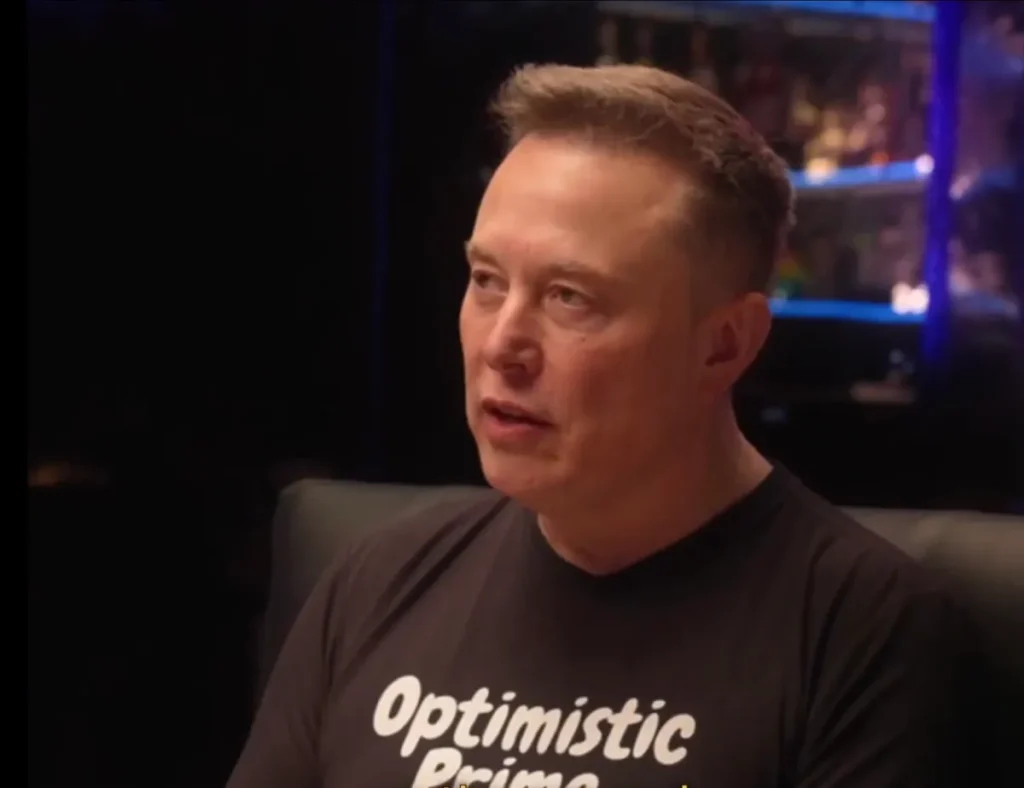
Elon Musk is getting serious about orbital data centers
SpaceX and xAI: Pioneering the Future of Orbital AI Data Centers
On Friday, when SpaceX filed plans with the FCC to establish a network of a million satellites for a data center, many thought it was just another one of Elon Musk’s outlandish ideas. However, as developments unfolded, it became clear that Musk is seriously pursuing this visionary project.
The Merger of SpaceX and xAI
A significant step in this ambitious venture occurred on Monday when SpaceX officially merged with xAI. This merger aligns Musk’s projects in space and artificial intelligence (AI), hinting at a collaborative infrastructure initiative. This consolidation makes sense given the scale of the potential project and the resources it would require.
Understanding Orbital AI Data Clusters
Beyond the merger, the concept of orbital AI data clusters is transitioning from theory to actionable plans. By Wednesday, the FCC had accepted SpaceX’s filing and initiated a schedule for public comments. While this process is typically routine, FCC Chairman Brendan Carr’s decision to share the filing on social media was noteworthy. Known for his politically motivated decisions, Carr’s support suggests that as long as Musk maintains favorable relations, the proposal is likely to pass smoothly.
Elon Musk’s Vision for Orbital Data Centers
Elon Musk has been vocal about the advantages of moving AI computing power into space. In a recent episode of the “Cheeky Pint” podcast, hosted by Stripe co-founder Patrick Collison and featuring Dwarkesh Patel, Musk articulated his vision. He argued that solar panels generate significantly more power in space than on Earth, presenting a solution to a major operational expense in running data centers.
“It’s harder to scale on the ground than it is to scale in space,” Musk stated. “Any given solar panel is going to give you about five times more power in space than on the ground, making it cheaper to operate data centers in orbit.”
Analyzing the Logic: Potential Concerns
While it’s true that solar power is more abundant in space, the overall economics of data centers involve various costs, not solely energy production. Patel raised critical points regarding the feasibility of maintaining these systems, particularly concerning the servicing of GPU workloads during AI model training. For instance, the practical challenges of repairing or upgrading systems in space could complicate Musk’s claims.
Listeners are encouraged to tune in to the entire podcast for a more nuanced understanding of these concerns, highlighting the complexities that lie ahead.
The Tipping Point: Looking Towards 2028
Musk remains undaunted by these discussions, confidently predicting that 2028 will be a pivotal year for orbital data centers. “You can mark my words, in 36 months—likely closer to 30 months—the most economically compelling place to house AI will be in space,” he proclaimed.
Future Predictions: More AI in Space than on Earth
Musk went further, predicting that within the next five years, SpaceX will launch and operate more AI systems in space than the cumulative total on Earth. For perspective, global data center capacity is projected to reach 200 GW by 2030, representing approximately a trillion dollars’ worth of infrastructure if solely terrestrial.
This ambitious outlook raises questions about the feasibility and practicality of Musk’s vision and how it will reshape the future of computing as we know it.
The Financial Implications for SpaceX
SpaceX’s financial model predominantly relies on launching entities into orbit, making Musk’s proposal strategically advantageous. With the addition of an AI component to its operations through the merger with xAI, SpaceX stands to intersect two lucrative markets.
Furthermore, the impending IPO for the combined SpaceX-xAI conglomerate promises to generate significant attention and capital, likely increasing discussions on orbital data centers. As tech companies continue to invest hundreds of billions into data infrastructure yearly, it’s plausible that some of this investment will shift towards the prospects of orbital solutions.
Conclusion: The Future of Computing is in Space
In summary, Musk’s vision for orbital AI data centers marks a bold and potentially transformative shift in how we think about data storage and computation. While challenges remain—ranging from engineering complexities to service logistics—Musk’s optimism and strategic positioning make it a topic worth closely following. As regulatory frameworks evolve and technology advances, space may indeed become the next frontier in computing architecture. As investments in data centers continue to surge, it seems that not all financial resources will stay grounded, hinting at a fascinating future for AI and data management above the Earth.
With companies like SpaceX poised to redefine the landscape, we may be on the brink of an era where the sky is not the limit, but rather a launchpad for innovation in the digital age.
Thanks for reading. Please let us know your thoughts and ideas in the comment section down below.
Source link
#Elon #Musk #orbital #data #centers
About The Author