Jensen Huang Indicates Nvidia’s Withdrawal from OpenAI and Anthropic, Sparking More Questions
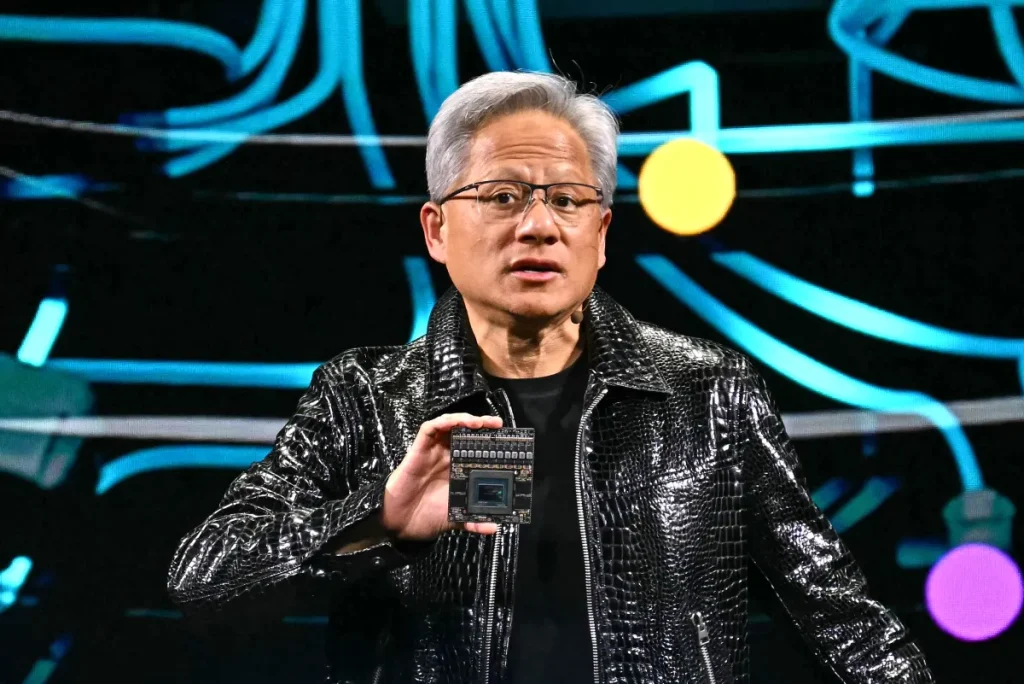
Image Credits:PATRICK T. FALLON / Contributor / Getty Images
Nvidia’s Investment Strategy: A Shifting Landscape
At the recent Morgan Stanley Technology, Media and Telecom Conference in San Francisco, Nvidia’s CEO Jensen Huang made headlines when he suggested that the company’s recent investments in OpenAI and Anthropic might be its last. As both firms prepare for anticipated IPOs later this year, the window for further investment appears to be closing.
Understanding Nvidia’s Current Investment Strategy
Huang’s comments imply a strategic pivot for Nvidia. Unlike other firms that may expend considerable resources just before a public offering to capture potential upsides, Nvidia is already profiting immensely from its core business. The company specializes in producing the cutting-edge chips that power AI models for OpenAI and Anthropic. This unique position lessens the need for additional investments in either of these companies.
Nvidia has not elaborated extensively on this decision. When approached for further comments following Huang’s statements, a spokesperson directed inquiries to a transcript from Nvidia’s fourth-quarter earnings call. In this call, Huang had clarified that the company’s investments focus on “expanding and deepening our ecosystem reach,” a goal that has already been realized with their prior investments in both firms.
The Current Investment Climate: Risks and Rewards
The decision to limit further investment could also stem from various strategic analyses. One such reason could be the circular nature of these business arrangements. Back in September, Nvidia announced plans to invest up to $100 billion in OpenAI. MIT Sloan professor Michael Cusumano characterized this as a “kind of a wash.” This is because, in a reciprocal agreement, OpenAI stated it would purchase $100 billion or more of Nvidia chips, effectively negating the perceived value of the investment.
Moreover, concerns about the potential for an investment bubble might also explain why Nvidia scaled back its commitments. Just recently, as part of OpenAI’s $110 billion funding round, Nvidia’s contribution came in at $30 billion—considerably less than the initial promise. Huang has dismissed speculation of “bad blood” between Nvidia and either of the companies, calling it “nonsense.”
The Complicated Relationship with Anthropic
Nvidia’s relationship with Anthropic has not been straightforward either. Shortly after announcing a $10 billion investment in November, Anthropic’s CEO Dario Amodei made controversial comments at the Davos conference. He compared the sale of high-performance AI processors by U.S. chip companies to “selling nuclear weapons to North Korea.” This statement raised eyebrows and highlighted the complex dynamics at play.
Things escalated further when Anthropic was recently blacklisted by the Trump administration, prohibiting federal agencies and military contractors from using its technology. This decision came after Anthropic declined to allow its models for use in autonomous weapon systems or mass surveillance. The friction between regulatory pressures and corporate goals puts Nvidia in a complicated position.
Competitive Dynamics and Market Reactions
In a surprising turn of events, OpenAI announced it had secured a deal with the Pentagon within hours of the blacklisting of Anthropic. This move has been described by Anthropic as “mendacious,” and public sentiment seems to mirror their apprehension. Following these announcements, Anthropic’s AI tool, Claude, surged to the top of the free-app rankings on the Apple U.S. App Store, even overtaking ChatGPT. Previously, Claude had been outside the top 100 rankings as of late January, according to Sensor Tower data.
Nvidia’s Current Position: The Path Ahead
With its investments in two companies seemingly diverging in their operational directions, Nvidia finds itself at a crucial junction. Huang’s rationale for potentially ending new investments—coupled with the approaching IPOs—may not fully align with the realities of late-stage private investing. Instead, it appears more likely that this decision is a retreat from a quickly evolving and complex situation.
The tech landscape is notoriously unpredictable, especially within the AI sector, where rapid advancements can shift market dynamics in a matter of days. Nvidia’s existing partnerships and investments must be navigated carefully to avoid potential pitfalls while maximizing returns.
Conclusion: A Turning Point for Nvidia
In summary, Nvidia’s recent inclination to wrap up further investments in OpenAI and Anthropic marks a pivotal moment for the company. The combination of current profitability and the unique challenges posed by these companies creates a landscape ripe for reconsideration.
As Nvidia prepares for the next chapter, it will need to balance its robust revenue stream from chip sales with the intricate dynamics of its partnerships. In an industry already fraught with uncertainty, maintaining strategic focus will be key for Nvidia as it navigates these turbulent waters. The outcomes of the forthcoming public offerings will likely redefine the trajectory of its business partnerships and investment strategies in the ever-evolving technology landscape.
Thanks for reading. Please let us know your thoughts and ideas in the comment section down below.
Source link
#Jensen #Huang #Nvidia #pulling #OpenAI #Anthropic #explanation #raises #questions #answers
About The Author