
Lack of Effective Plans for AI Companies Collaborating with Government
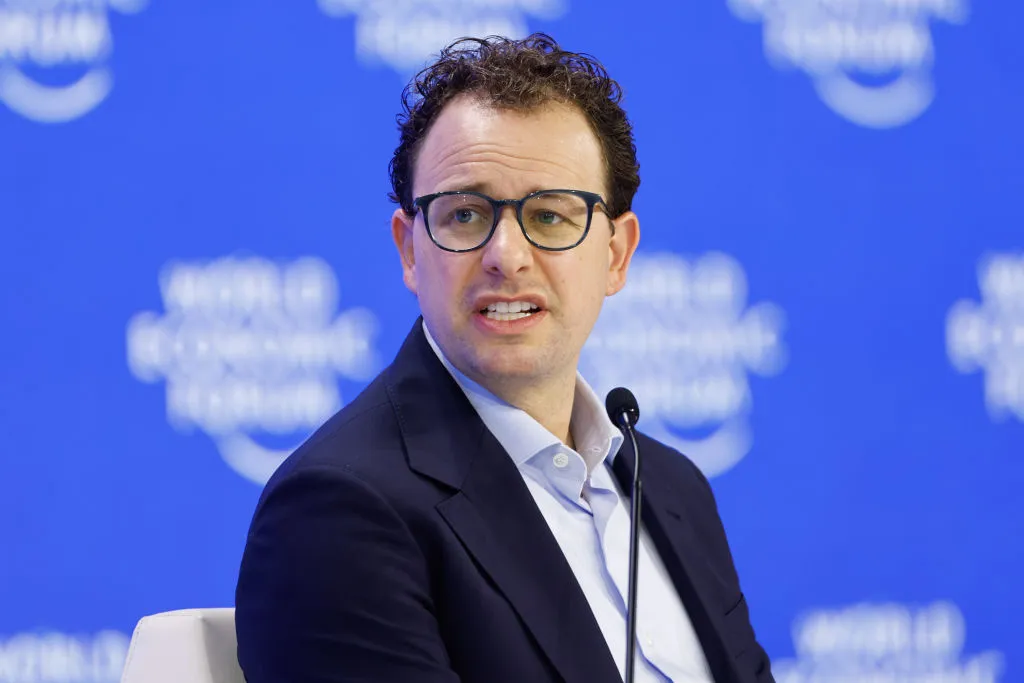
Image Credits:Stefan Wermuth/Bloomberg / Getty Images
OpenAI’s Shift to National Security: A Complex Landscape
On a recent Saturday night, Sam Altman, CEO of OpenAI, found himself in a challenging spotlight as he addressed concerns about his company’s decision to accept a Pentagon contract shortly after Anthropic, a rival AI firm, opted out. During his public Q&A session on X around 7 p.m., Altman sought to clarify the rationale behind this significant move, framed against the backdrop of intense scrutiny regarding OpenAI’s ethical commitments.
The Ethical Dilemma
Many of the questions posed to Altman highlighted a growing unease surrounding OpenAI’s potential involvement in mass surveillance and automated warfare—issues Anthropic had explicitly rejected during negotiations with the Pentagon. While Altman deflected responsibility for national policy decisions, emphasizing his belief in the democratic process and the importance of upholding the Constitution, the public’s discomfort lingered.
“I very deeply believe in the democratic process,” he stated. Yet, he was astounded by the level of disagreement among the public. “There is more open debate than I thought there would be,” he remarked, indicating a divide in opinions about whether power should reside with elected officials or private corporations.
Changing Dynamics in Tech and Defense
This moment is significant not only for OpenAI but also for the tech industry at large. Altman’s responses echoed a common stance in the defense sector, where the norm is to defer to civilian leadership. However, as OpenAI transitions from a promising consumer startup into a key player in national security, the company seems ill-equipped to navigate its newfound responsibilities.
This transition came at a time of heightened scrutiny following the Pentagon’s decision to blacklist Anthropic, which had insisted on limits on surveillance and weaponification in its contract negotiations. OpenAI’s rapid acceptance of the same contract left many in the tech community questioning its position on ethical boundaries.
Reputation at Stake
OpenAI has engaged with the U.S. government for years, but its current situation is different. In 2023, when Altman defended the company before Congressional committees, he adopted an optimistic tone, emphasizing OpenAI’s transformative potential while acknowledging inherent risks. This balanced approach aimed to attract investors and minimize regulation, but it is no longer sustainable.
With AI’s profound impact and the mounting capital demands, a more formal relationship with government entities is unavoidable. Surprisingly, both the government and tech companies appear unprepared for this shift.
The immediate conflict revolves around Anthropic and U.S. Defense Secretary Pete Hegseth’s assertion to label the lab as a supply chain risk. This threat carries significant implications, as a formal designation could sever Anthropic from crucial partners, potentially leading to its demise. Such an unprecedented move against an American firm could be contested in court but would create lasting damage and reverberate across the industry.
A Chilling Message to the Industry
Former Trump official Dean Ball highlighted that Anthropic was fulfilling an existing contract with established terms until the current administration pushed for modifications. This situation transcends typical disputes between private entities, sending a decidedly chilling message to other vendors about the risks of government engagement.
Ball noted that even if Hegseth were to retract his sweeping threat, the precedent set could inflict significant harm. “Most corporations, political actors, and others will have to operate under the assumption that the logic of the tribe will now reign,” he warned.
This tension places OpenAI in a difficult position. Internally, employees are pressuring the company to define clear ethical boundaries, while externally, right-wing media remain on high alert for any sign that OpenAI may dilute its political alliances.
Navigating Uncharted Waters
Although it can be argued that OpenAI never intended to operate as a defense contractor, its ambitious trajectory has thrust it into the same arena as companies like Palantir and Anduril. In this polarized political environment, establishing a reputation entails taking sides, with the potential for alienating different groups.
The consequences of OpenAI’s shift to government contracting remain uncertain but are likely to be substantial. Potential losses in business and employee morale loom over the company as it navigates this new territory.
Adding complexity to the landscape is the fact that even as technology investors hold more influence in Washington, many seem comfortable with tribal loyalties. Historically, Anthropic has been viewed among Trump-aligned venture capitalists as aligning too closely with the Biden administration, a perception that fell in favor of OpenAI’s recent actions.
The Long-Term Implications
The current turmoil presents a justifiable dilemma for OpenAI and the tech industry at large. While politically aligned stakeholders may reap short-term benefits, they also risk exposure when political tides inevitably shift. For decades, the defense sector was dominated by large, regulated corporations like Raytheon and Lockheed Martin, which operated under the protective umbrella of defense contracts, mitigating the unpredictable nature of political transitions.
In contrast, today’s agile tech startups may react faster to market shifts, but they lack the long-term stability that these established firms enjoyed.
Conclusion: A Critical Moment for OpenAI
As OpenAI continues its journey into the realm of national security, it stands at a critical juncture, one that calls for thoughtful navigation of ethical and political challenges. The implications of its decisions now extend beyond technology, as the company grapples with its identity in this complex landscape. The road ahead may be filled with obstacles, but it will shape both the future of OpenAI and the broader tech industry.
Thanks for reading. Please let us know your thoughts and ideas in the comment section down below.
Source link
#good #plan #companies #work #government
About The Author