
Mantis Biotech Creates Digital Twins of Humans to Address Medical Data Shortages
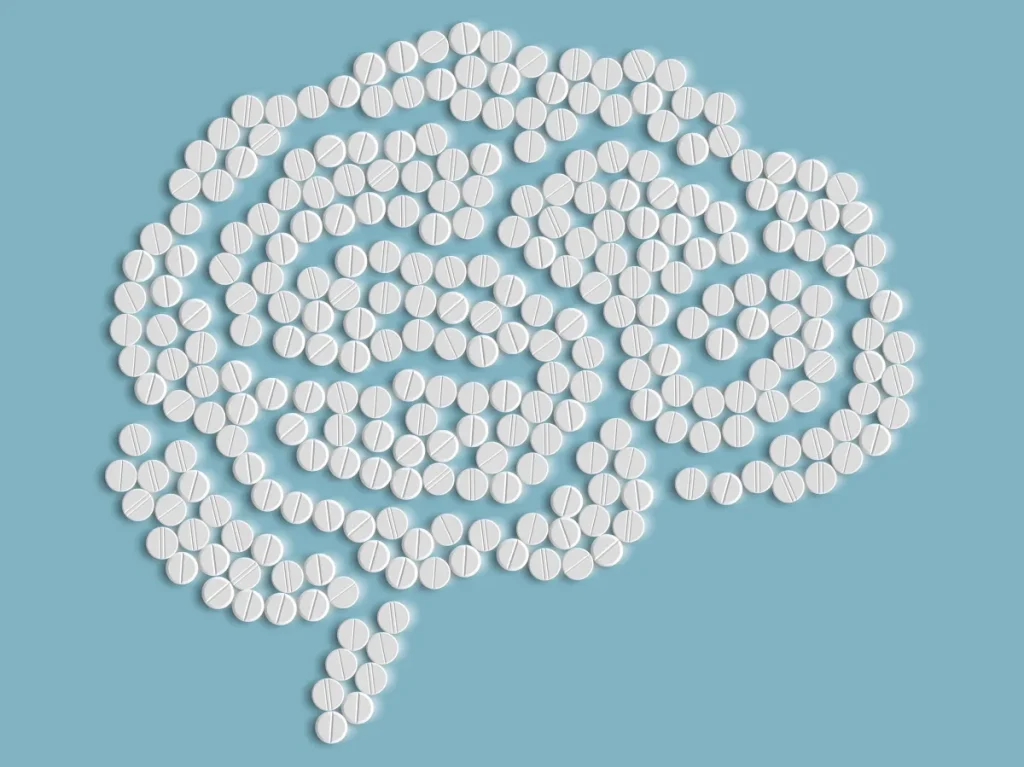
Image Credits:Palau (opens in a new window) / Shutterstock (opens in a new window)
Revolutionizing Genomics with Advanced AI Technology
Large language models (LLMs) trained on extensive datasets hold immense potential to accelerate various aspects of genomics research. By streamlining clinical documentation, enhancing real-time diagnostics, supporting clinical decision-making, and expediting drug discovery, these models can significantly enhance the landscape of biomedical research. Additionally, they can generate synthetic data to propel innovative experiments forward. Despite this promise, a crucial bottleneck remains: LLMs often struggle with edge cases such as rare diseases or unique medical conditions, where reliable and representative data is scarce.
Addressing Data Availability Gaps
Mantis Biotech, a New York-based company, proposes a groundbreaking solution to this data availability issue. Their innovative platform integrates diverse data sources to create synthetic datasets, forming “digital twins” of the human body. These digital twins are physics-based predictive models that simulate anatomy, physiology, and behavior, making them invaluable for data aggregation and analysis in the medical field.
The Utility of Digital Twins
Mantis’ digital twins are designed for various applications, including:
-
Studying and Testing Medical Procedures: Digital twins can enable healthcare professionals to safely explore and assess new procedures without risking patient safety.
-
Training Surgical Robots: Utilizing digital models allows for more efficient and realistic training protocols for robotic systems in surgery.
-
Simulating Medical Issues: These models can predict potential medical complications and patterns of behavior, providing insights particularly useful in athletic performance contexts.
For instance, Mantis’ founder and CEO, Georgia Witchel, illustrated how a sports team could predict an NFL player’s risk of developing an Achilles heel injury based on various factors, including training load, nutritional habits, and activity duration.
Data Sources and Synthetic Model Creation
To construct these digital twins, Mantis’ platform synthesizes information from multiple sources, including:
- Textbooks
- Motion capture data
- Biometric sensors
- Training logs
- Medical imaging
An LLM-driven system validates and routes this data, which is processed through a physics engine to produce high-fidelity renderings. These renderings are essential for training predictive models that yield actionable insights.
“We’re able to take all these disparate data sources and then turn them into predictive models for how people are going to perform. Anytime you want to predict human performance, that’s a prime use case for our technology,” Witchel stated.
The Role of the Physics Engine
The physics engine provides critical enhancement by relating synthetic data to real-world biological constraints. This ensures the generated datasets are grounded in the realities of human anatomy.
Witchel elaborated on the challenges faced when attempting to model specific human conditions. For instance, conducting hand-pose estimation for someone missing a finger is complicated due to the lack of publicly available datasets for that demographic. However, Mantis can easily generate these datasets by employing its physics model to create accurate simulations based on various alterations.
Broad Applications Across Biomedicine
Mantis’ platform fills important gaps in the biomedical sector where accessing structured patient data or procedural information can be challenging. There are significant ethical and regulatory hurdles surrounding the use of real patient data, especially for rare diseases. Thus, Mantis’ offering has the potential for widespread applicability in healthcare, extending to pharmaceutical labs and researchers engaged in FDA trials.
“I want people to have a mindset similar to when a child plays with a doll—testing and experimenting with our digital twins in ways that prioritize ethical considerations,” Witchel noted. She emphasized that respecting privacy and avoiding data exploitation is paramount, especially with innovative technologies like digital twins.
Success in Professional Sports
Mantis Biotech has found early success in the realm of professional sports, where the demand for insights into athlete performance is high. Witchel mentioned that one of their key clients is an NBA team.
The startup generates digital representations of athletes that meticulously track data points such as jump patterns over time. This data allows teams to analyze changes corresponding to various factors like sleep quality and physical exertion, leading to more tailored training and injury prevention strategies.
Funding and Future Directions
Recently, Mantis Biotech secured $7.4 million in seed funding, led by Decibel VC, alongside contributions from Y Combinator and various angel investors. The funding will support hiring efforts, marketing, and functions related to bringing their technology to market.
Looking ahead, Witchel indicated that Mantis is focused on further developing its technology and scaling its platform for broader public use, particularly in preventive healthcare. The company aims to provide valuable insights into patient responses to treatments, thereby enhancing the efficacy of clinical trials and improving healthcare outcomes.
Conclusion
The integration of digital twins into the biomedical landscape stands to revolutionize how we approach research, enhance public health, and address treatment gaps in rare diseases. With final advancements in AI technologies, like those being developed by Mantis Biotech, the future of personalized medicine and efficient care can become a reality. By embracing these innovations, the healthcare sector can unlock new levels of insight and efficiency, fundamentally altering medical research and practice.
Thanks for reading. Please let us know your thoughts and ideas in the comment section down below.
Source link
#Mantis #Biotech #making #digital #twins #humans #solve #medicines #data #availability #problem
About The Author