
Musk seeks $134B from OpenAI lawsuit, despite $700B net worth.
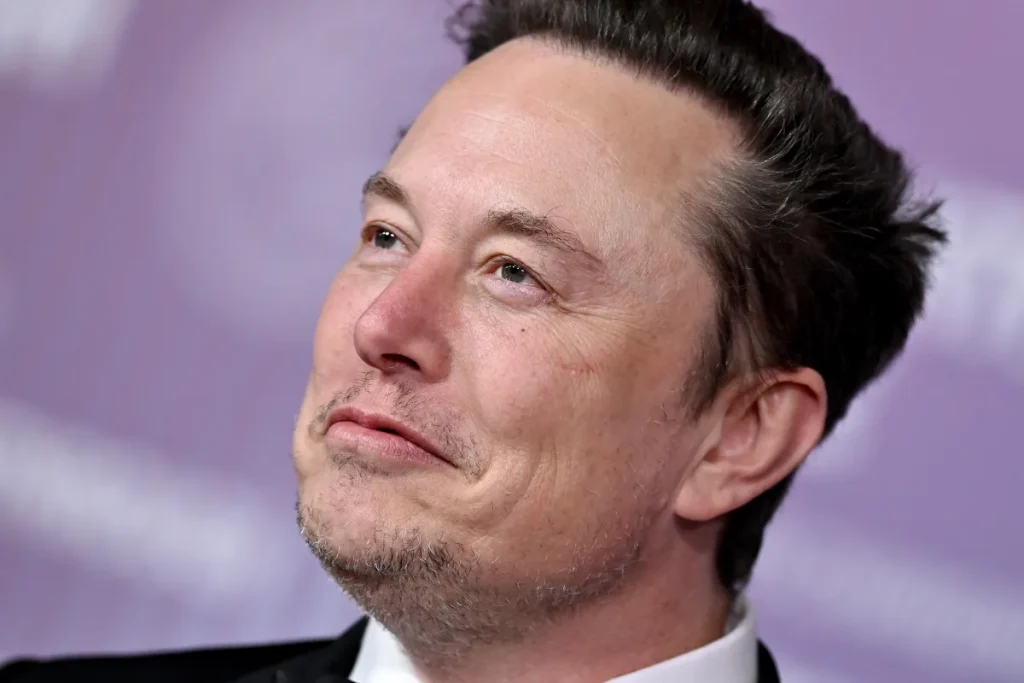
Image Credits:Axelle/Bauer-Griffin/FilmMagic / Getty Images
Elon Musk vs. OpenAI and Microsoft: The $134 Billion Lawsuit Explained
Elon Musk, the renowned entrepreneur and CEO of companies like Tesla and SpaceX, is making headlines once again for a legal claim against OpenAI and Microsoft. Musk is seeking an astounding $79 billion to $134 billion in damages, alleging that OpenAI has strayed from its original nonprofit mission and defrauded him in the process. This lawsuit has raised eyebrows across the tech world and ignited discussions about the implications of AI development and business ethics.
The Basis of Musk’s Claims
At the heart of Musk’s lawsuit is a claim that his initial investment and contributions to OpenAI, which he co-founded in 2015, have not been properly recognized. Musk made a seed donation of $38 million, a sum that has now become the focal point of a much larger financial dispute. Expert witness C. Paul Wazzan, a financial economist with substantial experience in commercial litigation, has calculated that Musk deserves a significant portion of OpenAI’s current valuation, which is estimated at around $500 billion.
Wazzan’s analysis suggests that Musk’s investment could yield a staggering 3,500-fold return if he were awarded the higher end of his claimed damages. The expert calculated wrongful gains for OpenAI to be between $65.5 billion and $109.4 billion, and for Microsoft, which owns 27% of OpenAI, between $13.3 billion and $25.1 billion.
Musk’s Perspective on Compensation
Musk’s legal team argues that he should be compensated as an early-stage investor whose returns are expected to be “many orders of magnitude greater” than his initial investment. According to Musk, his contributions to the early development of OpenAI, both financially and technically, warrant this substantial claim. By positioning himself as a crucial player in the founding of OpenAI, Musk aims to make a case for why he deserves a significant share of the burgeoning AI company’s success.
However, the scale of Musk’s demand raises questions about the priorities behind this legal action. Legal experts suggest that the litigation may not be solely about financial compensation but could also reflect broader concerns regarding the direction of AI technology and ethical responsibilities among its creators.
Musk’s Incredible Wealth
Musk’s personal fortune is currently estimated to hover around $700 billion, solidifying his position as the richest person in the world. As reported by Reuters, Musk’s wealth exceeds that of Google co-founder Larry Page—who ranks as the second-richest individual—by a staggering $500 billion, according to Forbes’ billionaires list. In 2022, Tesla shareholders greenlit a historic pay package worth $1 trillion for Musk, solidifying his stature as a titan of industry.
Given Musk’s existing wealth, even a payout of $134 billion would represent a relatively small increase in his financial portfolio. This context may influence how OpenAI perceives the lawsuit, as it has characterized Musk’s claims as part of an “ongoing pattern of harassment” rather than a valid financial grievance. The company sent out a letter to its investors and business partners expressing concerns about Musk’s potential for making “deliberately outlandish, attention-grabbing claims”.
The Implications of the Lawsuit
As the lawsuit progresses toward its April trial date in Oakland, California, several implications arise not just for Musk and OpenAI but also for the broader tech landscape, especially regarding AI development.
-
Ethical Considerations in AI Development: The nature of Musk’s claims raises questions about the ethical obligations of companies working on transformative technologies. As AI continues to influence various sectors of society, the expectations of founders and early investors will be scrutinized more closely.
-
Investment and Valuation Standards: Wazzan’s valuation methodology may have long-term effects on how investments in tech startups are perceived. If Musk’s claims are validated, it could set a precedent for other early-stage investors to demand greater financial recognition from companies that evolve significantly post-funding.
-
Corporate Accountability: The lawsuit serves as a reminder for companies to maintain transparency regarding their missions and business practices. OpenAI’s pivot from its nonprofit origins to a more commercial model attracts scrutiny, and how this affects stakeholder relationships could inform how AI companies operate in the future.
-
Potential Repercussions for Investors: Investors in tech companies might find themselves more engaged in the oversight of business decisions, particularly as startups transform into multi-billion dollar entities. Musk’s case amplifies the narrative that early investors deserve returns that reflect the substantial financial and intellectual contributions they have made.
Looking Ahead: The Trial
With the trial set for April, industry watchers are keen on how the court will interpret the nuances of Musk’s claims and whether his arguments will hold weight in front of a judge and jury. The case will be heard in Oakland, about 15 miles east of San Francisco, a hub for Silicon Valley’s tech scene, making it a focal point for media attention.
The trial’s outcome could have far-reaching implications for how we view the responsibilities of those behind innovative technologies and the relationship between early-stage investors and the companies they help build. Regardless of the result, one thing is certain: this legal battle is sure to stir discussions around investment ethics, corporate responsibility, and the future trajectory of AI development.
In summary, Elon Musk’s $134 billion lawsuit against OpenAI and Microsoft is not just a quest for financial compensation; it raises important questions about business ethics and the evolving landscape of technology investment. As the legal battle unfolds, the tech industry will be watching closely to see how these issues are addressed in court.
Thanks for reading. Please let us know your thoughts and ideas in the comment section down below.
Source link
#Musk #134B #OpenAI #lawsuit #700B #fortune
About The Author