
Pentagon Designates Anthropic as a Supply-Chain Risk
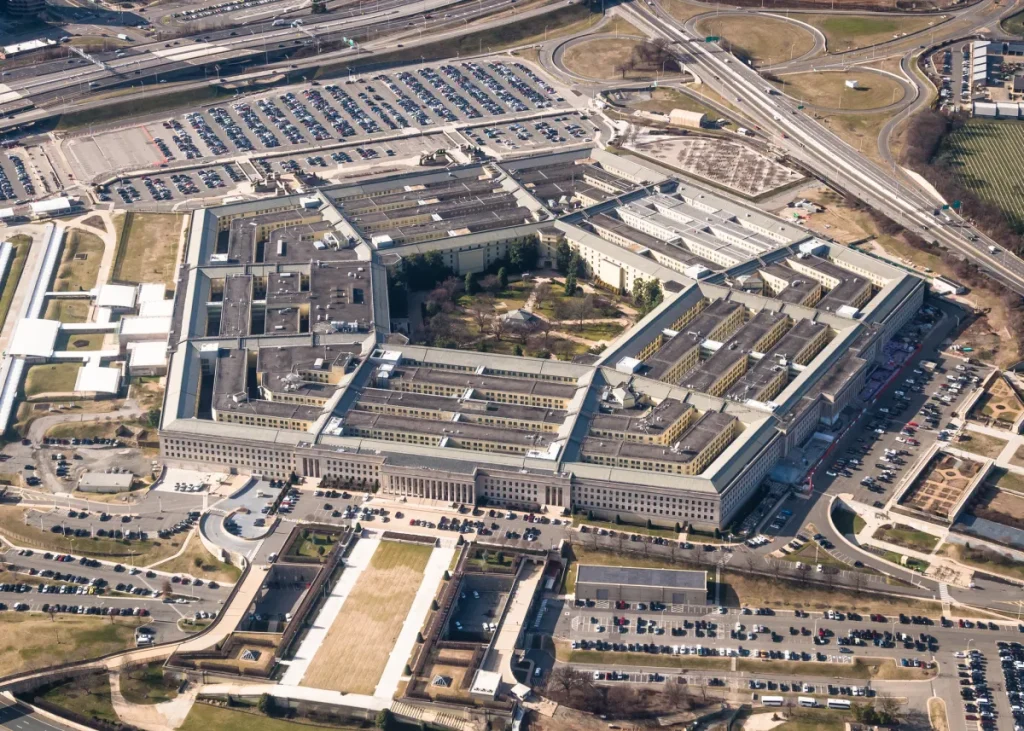
Image Credits:Getty Images
Department of Defense Labels Anthropic as Supply-Chain Risk
The Department of Defense (DOD) has made headlines by formally designating Anthropic, the AI technology company, as a supply-chain risk. This decision, reported by Bloomberg and confirmed by a senior official within the DOD, marks a significant turn in the ongoing tension between Anthropic and the military establishment.
Tension Between Anthropic and the DOD
This designation is the culmination of weeks of escalating conflict between Anthropic’s leadership and the DOD. Notably, Dario Amodei, the CEO of Anthropic, has firmly opposed allowing the military to utilize the company’s AI systems for mass surveillance of civilians or to develop fully autonomous weapons that could operate without human oversight in targeting and firing decisions. The DOD, on the other hand, has contended that AI usage should not be constrained by a private contractor’s limitations.
Unprecedented Designation
Historically, supply-chain-risk labels have been applied primarily to foreign adversaries. The new label requires any company or agency that collaborates with the Pentagon to certify they do not employ Anthropic’s models. This unprecedented decision could have far-reaching implications, potentially disrupting Anthropic’s operations and status as a frontrunner in AI technology.
As the only AI lab equipped with systems ready for classified military applications, Anthropic has become a crucial player. U.S. forces are currently relying on their AI model, Claude, in operational efforts in Iran. Claude serves as a significant component of Palantir’s Maven Smart System, a tool utilized by military operators in the region.
Criticism from Former Officials
Critics, including Dean Ball, a former advisor on AI during the Trump administration, have labeled the DOD’s decision as a “death rattle” for the American republic. Ball argues that the government is abandoning strategic clarity and respect in favor of “thuggish” tribalism, which inadvertently harms domestic innovators more than foreign threats. Such commentary highlights the gravity of the DOD’s designation and the potential ramifications it could foster within the tech landscape.
Calls for Action from Tech Community
In response to the DOD’s decision, hundreds of employees from leading AI firms like OpenAI and Google have rallied together, urging the Pentagon to withdraw its supply-chain-risk designation. They have also called on Congress to intervene, framing the DOD’s action as a misuse of authority against a homegrown technology company. Many of these employees emphasize the importance of standing firm against DOD requests that might lead to the domestic mass surveillance of citizens or the creation of autonomous weapon systems capable of causing harm without human intervention.
OpenAI’s Contrasting Approach
Amid this complex scenario, OpenAI has taken a different route by forming its own agreement with the DOD. This agreement permits the military to use OpenAI’s systems for what the company describes as “all lawful purposes.” However, some OpenAI employees express concerns over the ambiguous language in the contract, fearing it could lead to exactly the scenarios that Anthropic is trying to prevent.
Dario Amodei’s Response
Dario Amodei has publicly characterized the DOD’s actions as “retaliatory and punitive.” There are indications that his refusal to endorse or financially support former President Donald Trump has contributed to the heightened tension between Anthropic and the Pentagon. This angle offers a glimpse into the political dimensions that intertwine with technological innovation and regulatory decisions.
The Broader Implications
The DOD’s designation of Anthropic as a supply-chain risk sends shockwaves through the tech community, highlighting the fragility of relationships between government bodies and innovative technology firms. As tech companies strive to balance ethical considerations with national security requests, the path forward remains fraught with challenges.
While the intention behind using AI for military purposes often lies in national safety and efficiency, the ethical implications surrounding surveillance and autonomous weapons provoke necessary debates. The divergence in approaches between Anthropic and OpenAI illustrates a broader dialogue about the role of technology in society—especially when entangled with governmental authority.
Conclusion
The DOD’s decision to classify Anthropic as a supply-chain risk reflects deepening concerns surrounding the intersection of AI technology, national security, and civil liberties. As discussions unfold, it is crucial for technologists, lawmakers, and the public to engage in meaningful conversations around the implications of AI use and its potential consequences.
The future of American innovation may depend on how these relationships are navigated, ensuring that technological advancements do not come at the expense of ethical considerations and public trust. The unfolding story of Anthropic and its complex relationship with the DOD underscores the urgent need for a balanced, thoughtful approach in shaping the future of AI.
Thanks for reading. Please let us know your thoughts and ideas in the comment section down below.
Source link
#official #Pentagon #labeled #Anthropic #supplychain #risk
About The Author