

Sam Altman reports India has 100 million active ChatGPT users weekly.
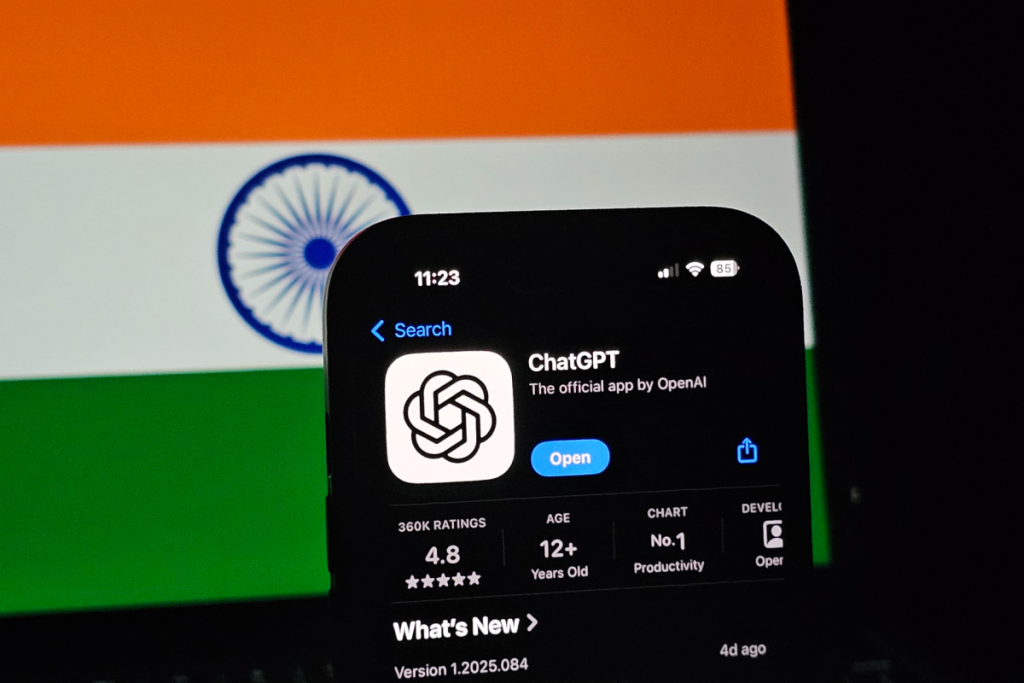
Image Credits:Jagmeet Singh / TechCrunch
India’s ChatGPT Usage Surges: A Boon for AI Growth
India boasts an impressive 100 million weekly active users of ChatGPT, making it one of OpenAI’s largest markets globally. This significant user base was highlighted by OpenAI’s CEO Sam Altman ahead of the five-day India AI Impact Summit set to commence in New Delhi. As OpenAI gears up to participate in this influential event, Altman, along with other executives from top AI firms, will showcase the tremendous growth of AI adoption in India.
Key Factors Driving ChatGPT Adoption in India
Amid ongoing efforts from various AI companies, including OpenAI, to tap into India’s vast digital landscape, the country’s young population and over a billion internet users are pivotal to this expansion. OpenAI established an office in New Delhi in August 2025 after extensive planning and strategically adapted its services for India’s cost-sensitive market. One notable initiative is the ChatGPT Go tier, priced under $5, which was later made free for Indian users for a year, aimed at increasing accessibility.
In the piece published in the Times of India, Altman emphasized that India is the second-largest user base for ChatGPT, following the United States. This revelation not only showcases the growing influence of the South Asian nation in OpenAI’s global strategy but also parallels an overall surge in ChatGPT usage worldwide, which hit 800 million weekly active users as of October 2025 and is approaching the 900 million mark.
The Role of Students in ChatGPT Growth
A significant factor in the rise of ChatGPT in India is the growing engagement among students. Altman noted that Indian students represent the largest group of ChatGPT users globally. This demographic has become a vital segment for AI companies as they strive to integrate their tools into educational environments. Competitors like Google are also eyeing this market; in September 2025, it offered Indian students a complimentary one-year subscription to its AI Pro plan. Furthermore, India leads globally in the usage of Google’s Gemini tool for educational purposes, as highlighted by Chris Phillips, Google’s Vice President and General Manager for Education.
India’s Potential for AI Accessibility
Alman praised India for its commitment to promoting AI literacy and creating infrastructure that can support widespread adoption. By focusing on access, India is in a unique position to democratize AI technology and broaden its benefits. In his article, he wrote, “With its focus on access and practical AI literacy, India is well-positioned to broaden who benefits from the technology.”
However, the challenge for AI firms, including OpenAI, remains in translating this rapid adoption into substantial economic impact. Initiatives like the IndiaAI Mission aim to enhance computing capacity, support startups, and accelerate the incorporation of AI into public services. Yet, India’s budget-sensitive market and infrastructural limitations complicate larger-scale deployment and monetization efforts when compared to developed markets.
The Risk of Uneven AI Adoption
Altman warned of the risk that India, given its size, could miss a crucial opportunity to promote democratic AI practices in emerging markets worldwide. He expressed concerns that inconsistent access and adoption might lead to a concentration of AI’s economic benefits in the hands of a few.
In response to these challenges, OpenAI plans to strengthen its relationship with the Indian government. Altman indicated that new partnerships aimed at broadening AI access across the country would soon be announced. These initiatives, he noted, would focus on expanding reach and enabling more individuals to effectively utilize AI tools.
The Significance of the India AI Impact Summit
The upcoming India AI Impact Summit, attracting a wide array of technology and political leaders, serves as a testament to India’s rising influence in global AI discussions. Notable attendees include Anthropic CEO Dario Amodei, Sundar Pichai of Google, as well as prominent Indian business figures like Mukesh Ambani and Nandan Nilekani. High-profile political leaders such as Emmanuel Macron, Sheikh Khaled bin Mohamed bin Zayed Al Nahyan, and Luiz Inácio Lula da Silva are also expected to be in attendance, highlighting India’s ambition to take a central role in shaping global AI policies.
For OpenAI and other international AI companies, this summit underscores the importance of India’s vast user base and its growing sway over the evolution of AI technologies.
Conclusion: The Future of AI in India
India’s explosion in ChatGPT usage signifies not only a landmark for OpenAI but also showcases the country’s potential as a leader in AI technology. As the India AI Impact Summit approaches, the spotlight will be on how the Indian government, educational institutions, and private enterprises can collaborate to maximize the benefits of AI for wider society.
With the ongoing efforts to enhance infrastructure, improve accessibility, and democratize technology, India stands at the forefront of an AI revolution poised to influence emerging markets worldwide. The time has come for industry players and policymakers alike to recognize and harness India’s capabilities, ensuring that the advancements in AI are inclusive, equitable, and impactful for all.
OpenAI has yet to respond to queries regarding its plans and partnerships but remains a key player in the ever-evolving landscape of AI in India. As developments unfold, the insights gained from the India AI Impact Summit will undoubtedly shape the future trajectory of AI in the region and beyond.
Thanks for reading. Please let us know your thoughts and ideas in the comment section down below.
Source link
#India #100M #weekly #active #ChatGPT #users #Sam #Altman
About The Author