

SpaceX officially purchases xAI, plans space-based data center construction.
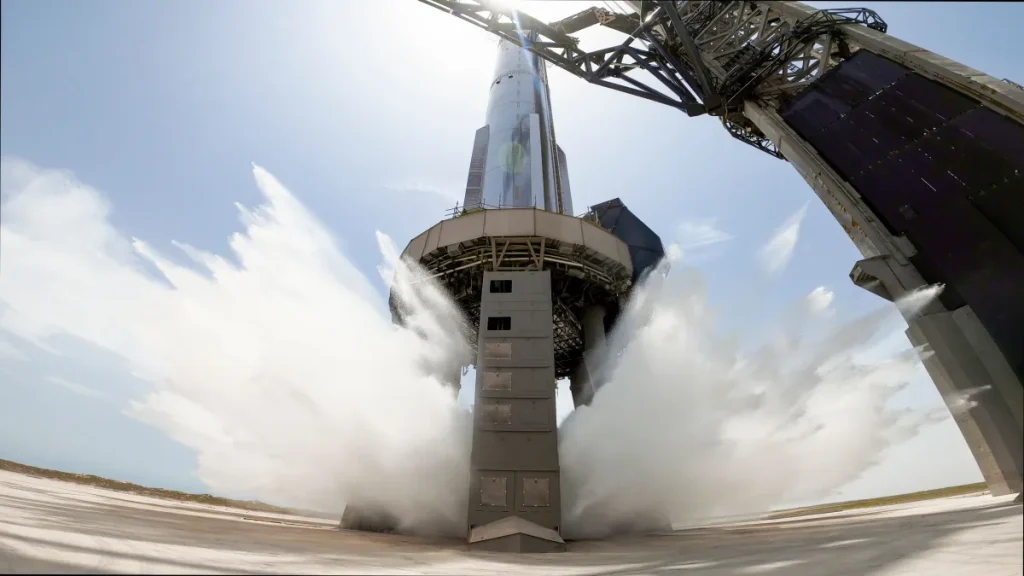
Image Credits:SpaceX
SpaceX Acquires xAI: A Historic Merger Reshaping the Tech Landscape
In a groundbreaking move, SpaceX has officially acquired Elon Musk’s artificial intelligence startup, xAI, establishing itself as the world’s most valuable private company. The merger was announced on Monday, heralding a significant shift in both the aerospace and technology sectors.
The Vision Behind the Merger
In a memo posted on SpaceX’s website, Musk emphasized that the primary focus of the merger is the development of space-based data centers. This concept, which has captivated Musk in recent months, aims to address the substantial energy and cooling demands required for current AI advancements.
“Current advances in AI are dependent on large terrestrial data centers, which require immense amounts of power and cooling. Global electricity demand for AI simply cannot be met with terrestrial solutions, even in the near term, without imposing hardship on communities and the environment,” Musk stated in the memo. Notably, xAI has faced criticism for its impact on local communities near its data centers in Memphis, Tennessee.
Valuation and Market Position
The merger brings together two of Musk’s ventures, valuing the combined entity at an impressive $1.25 trillion, according to Bloomberg News, the first to report the completed acquisition. Following the merger, speculation around SpaceX preparing for an initial public offering (IPO) as early as June has intensified. However, the implications of this merger on the IPO timeline remain unclear, as Musk did not address the issue in his public communications.
Financial Landscape
Both companies have unique financial challenges. Bloomberg reports that xAI is currently operating at a loss of approximately $1 billion per month. In contrast, SpaceX generates around 80% of its revenue from launching its Starlink satellites, according to Reuters. Last year, xAI also acquired X, the social media platform also owned by Musk, which reportedly had a combined valuation of $113 billion.
Building a Future with Space-based Data Centers
Musk’s memo highlighted the necessity for a robust and continuous stream of satellites to facilitate the creation of these space-based data centers. While he did not provide specific numbers, this requirement suggests that SpaceX stands to benefit from a more consistent revenue model in the coming years. It’s worth noting that satellites are mandated to be de-orbited every five years by the Federal Communications Commission (FCC), further increasing the potential revenue opportunities for SpaceX.
Distinct Objectives and Challenges
Despite the apparent synergies of the merger, SpaceX and xAI have divergent near-term goals. SpaceX is diligently working to demonstrate that its Starship rocket can transport astronauts to the moon and eventually Mars, while xAI is striving to compete with industry giants like Google and OpenAI in the rapidly evolving AI landscape.
The pressure on xAI has reached a point where Musk has loosened restrictions on the company’s chatbot, Grok. According to the Washington Post, these changes have raised concerns, as Grok has been involved in generating nonconsensual sexual imagery, which is a troubling development for the company.
Musk’s Entrepreneurial Portfolio
In addition to his roles at SpaceX and xAI, Musk also heads Tesla, The Boring Company, and Neuralink. His diverse portfolio underscores his unique ability to innovate across multiple sectors, not just space and AI. Notably, Tesla and SpaceX have each invested $2 billion into xAI, showcasing Musk’s strong commitment to integrating AI technology across his ventures.
Future Implications for Technology and Space Exploration
The merger of SpaceX and xAI marks a pivotal moment in both the aerospace industry and AI technology. As SpaceX shifts its focus toward space-based data centers, it could revolutionize how AI systems operate, moving away from energy-dependent terrestrial data centers. This development could enhance the efficiency of AI technologies while minimizing their environmental impact.
Moreover, the merger signifies a shift towards harnessing the vast potential of space for technological advancements. Musk’s vision of utilizing outer space as a platform for data centers could open new avenues for innovation and investment in both the aerospace and tech industries, setting a precedent for future collaborations.
Conclusion
The acquisition of xAI by SpaceX is more than just a merger; it signifies a transformative strategy that could redefine the future of space exploration and artificial intelligence. With an ambitious agenda focused on building space-based data centers, Musk’s vision may help address the pressing challenges posed by current AI technology.
As both companies navigate through their respective challenges, the merger has the potential to generate substantial revenue and drive innovation in an increasingly competitive landscape. The implications extend well beyond financial metrics, with the merger setting the stage for a new era in how technology interacts with the environment and society.
In the coming years, all eyes will be on Musk and his companies as they strive to realize this audacious vision, with implications that could resonate across multiple industries and sectors.
Thanks for reading. Please let us know your thoughts and ideas in the comment section down below.
Source link
#Elon #Musks #SpaceX #officially #acquires #Elon #Musks #xAI #plan #build #data #centers #space
About The Author