

Surge in AI data centers may hinder other infrastructure development efforts.
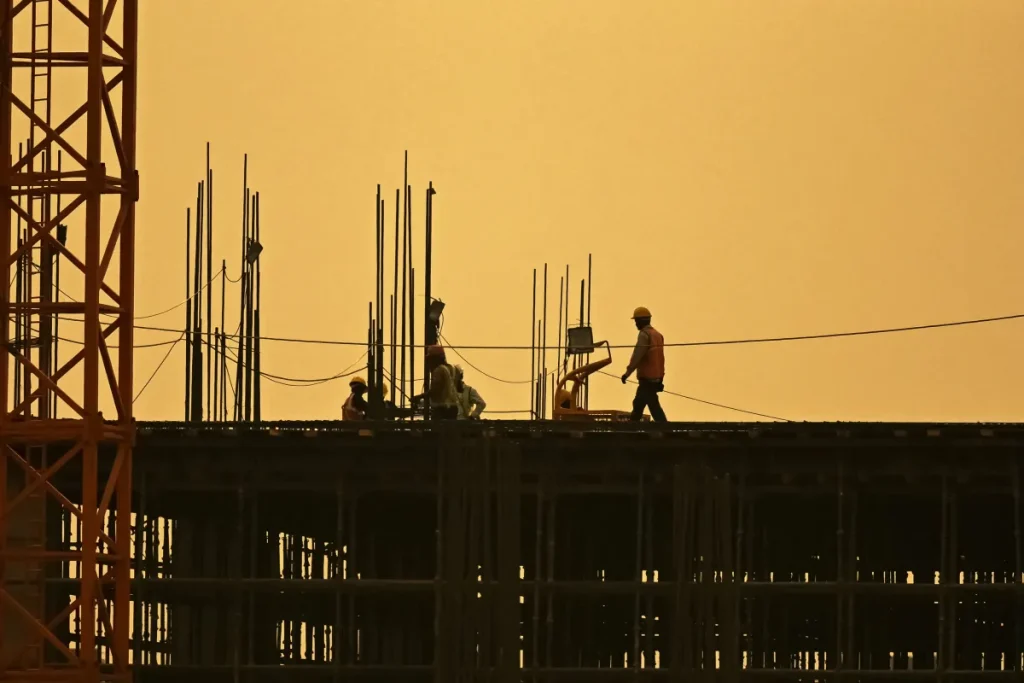
Image Credits:MONEY SHARMA / AFP / Getty Images
The Impact of Data Center Construction on Infrastructure Improvements
As the digital age accelerates, data centers are becoming increasingly vital. However, their rapid construction is raising concerns about the potential slowdown of essential infrastructure improvements like roads and bridges. Reports from Bloomberg highlight the competition for resources between these two sectors, which could significantly affect the pace of infrastructure development.
Record Debt Sales for Infrastructure Funding
In 2025, both state and local governments reached a historic milestone, selling a record amount of debt for the second consecutive year. Analysts project another $600 billion in debt sales for the coming year, primarily to support infrastructure projects. This influx of funding is crucial, given the pressing need for improvements in transportation and public facilities across the nation.
These funds are expected to bolster a wide range of infrastructure initiatives aimed at enhancing road safety, reducing congestion, and modernizing public transport systems. Despite this financial backing, infrastructure projects might face delays due to competing priorities linked to the burgeoning data center market.
Surge in Data Center Construction Spending
Recent data from the Census Bureau reveals a staggering trend in private spending on data center construction, with an annualized run rate exceeding $41 billion. This figure is approximately equal to the spending by state and local governments on transportation projects. The growing demand for data services, fueled by businesses shifting online, is propelling this surge.
As companies strategize to meet the digital needs of consumers, investments in data centers are becoming a top priority. This trend, however, poses a significant challenge for infrastructure development. With both sectors vying for resources, the construction workforce is under immense pressure.
Labor Shortages Complicate Matters
The competition for skilled workers is intensifying, as both infrastructure and data center projects require substantial labor. The construction industry is confronting shortages, exacerbated by retirements among experienced workers and strict immigration policies introduced during President Trump’s administration.
The current labor market strains are leading to increased difficulties for all types of construction projects. Andrew Anagnost, CEO of Autodesk, has expressed concerns about this situation. In an interview with Bloomberg, he noted, “There’s absolutely no doubt that data center construction sucks resources from other projects.”
A Complicated Landscape for Construction
The intersection of these two booming markets—data center construction and infrastructure development—creates a complicated landscape for construction companies. With infrastructure needs remaining high, the pressure to expedite these projects is greater than ever. However, as financial resources are allocated to meet the demands of data center construction, the timeline for infrastructure projects may stretch considerably.
Anagnost pointed out that this competition could lead to significant delays in infrastructure initiatives. “I guarantee you a lot of those [infrastructure] projects are not going to move as fast as people want,” he stated, emphasizing the impact the competitive landscape is having on project timelines.
The Importance of Balancing Needs
While the rapid growth of data center construction appears essential for modern businesses, it raises crucial questions about the broader implications for society. Infrastructure serves as the backbone of a functioning economy, impacting everything from transportation to public safety. Prioritizing data centers at the potential expense of roads, bridges, and essential public services could yield long-lasting effects.
Balancing the demands of digital infrastructure with the needs of physical infrastructure is critical. Policymakers must consider strategies that optimize resource allocation without compromising the development of essential services that sustain communities.
Potential Solutions
To mitigate the impact of data centers on infrastructure projects, several strategies may be employed:
1. Enhanced Workforce Training Programs
Investing in workforce development and training programs could help bridge the skills gap in the construction industry. By equipping a new generation of workers with the necessary skills, the industry may alleviate some of the labor shortages impacting both data centers and infrastructure projects.
2. Collaboration Between Public and Private Sectors
Fostering collaboration between government agencies and private companies could yield more effective resource allocation. Establishing partnerships can help ensure that both infrastructure and data centers are developed in harmony, rather than in competition.
3. Innovative Funding Models
Exploring innovative funding mechanisms can also address the financial challenges facing infrastructure projects. Creative financing solutions can help attract investment in vital infrastructure while still supporting the growth of essential digital infrastructure.
4. Regulatory Framework Adjustments
Implementing regulatory adjustments may streamline the permitting and construction processes for infrastructure projects. Simplifying red tape can lead to increased efficiency, allowing projects to proceed more swiftly in the face of competing demands.
Conclusion
The accelerating rate of data center construction presents a dual-edged sword: it is essential for digital transformation but poses significant challenges for ongoing infrastructure improvements. With a record amount of debt being allocated to infrastructure and a notable surge in private spending on data centers, the race for construction resources is tighter than ever.
Policymakers, industry leaders, and public stakeholders must engage in meaningful dialogue and collaborative efforts to navigate this complex landscape. The challenge lies in striking the right balance between meeting the demands of an increasingly digital world and ensuring that critical infrastructure development does not fall by the wayside.
Addressing this challenge thoughtfully will be essential to fostering sustainable growth in both sectors and ensuring a better future for all communities.
Thanks for reading. Please let us know your thoughts and ideas in the comment section down below.
Source link
#data #center #boom #bad #news #infrastructure #projects
About The Author