
Thinking Machines Lab Co-Founders Depart for OpenAI in Major Leadership Shift
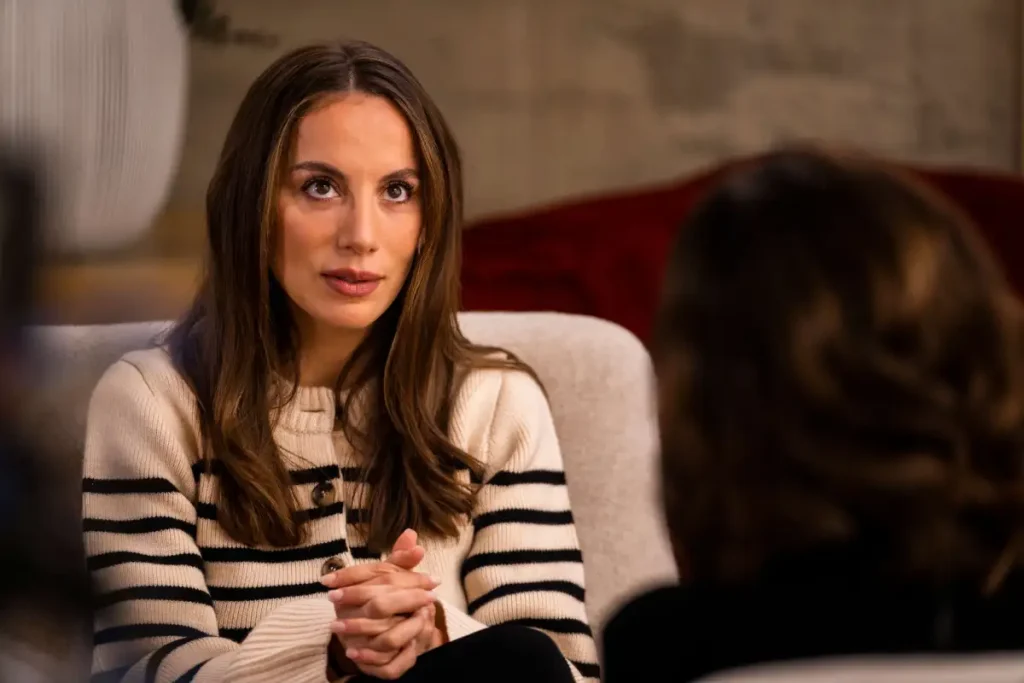
Image Credits:Getty Images
Thinking Machines Lab Loses Key Co-Founders to OpenAI
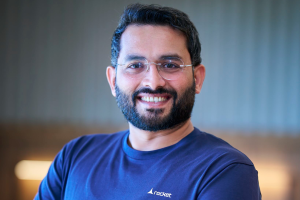
In an unexpected turn of events, Thinking Machines Lab, the startup founded by former OpenAI executive Mira Murati, is bidding farewell to two of its co-founders, Barret Zoph and Luke Metz, as they return to OpenAI. This noteworthy shift also includes Sam Schoenholz, another former OpenAI employee who joined Murati’s team.
Departure Announcement by Mira Murati
Mira Murati made an official announcement on social media regarding Zoph’s departure, stating, “We have parted ways with Barret.” Zoph was serving as the Chief Technology Officer (CTO) of Thinking Machines. In the same post, Murati shared the news that Soumith Chintala would be stepping in as the new CTO. She praised Chintala as a “brilliant and seasoned leader” with over a decade of contributions to the AI industry, expressing excitement about his new responsibilities.
Interestingly, Murati’s announcement did not mention Luke Metz or other departures, raising questions about the circumstances surrounding Zoph’s exit.
OpenAI’s Welcome Back
Shortly after Murati’s post, OpenAI’s CEO of Applications, Fidji Simo, confirmed Zoph’s return to OpenAI. In a brief message on X, he expressed enthusiasm about welcoming not only Zoph but also Luke Metz and Sam Schoenholz back into the fold. Simo noted that the arrangements had been in progress for several weeks, highlighting the seamless return of these talents to the organization.
Prior to joining Thinking Machines, Metz had extensive experience as a member of OpenAI’s technical staff, and Schoenholz’s current LinkedIn profile still indicates his association with Thinking Machines.
Profiles of the Departure Team
Zoph previously held the position of VP of Research at OpenAI and worked as a research scientist at Google for six years before that. Murati, the former CTO at OpenAI up until September 2024, co-founded Thinking Machines alongside Zoph and Metz. The startup, which she leads as CEO, has gained significant financial traction, successfully securing a $2 billion seed funding round in July—with notable contributions from firms such as Andreessen Horowitz, Accel, Nvidia, AMD, and Jane Street. This funding round valued Thinking Machines at an impressive $12 billion.
Reports from Wired suggest that the split between Zoph and Thinking Machines Lab may not have been entirely amicable. This speculation is reinforced by the relatively sparse details Murati included in her announcements concerning Zoph’s exit.
Noteworthy Talent Migration
While talent movements between major tech companies in Silicon Valley are quite common, the simultaneous departure of co-founders from a startup within a year of its inception stands out. This dual exit, particularly with Zoph’s role as CTO, could represent a significant challenge for Thinking Machines, which recently assembled a prominent team of former researchers from OpenAI, Meta, and Mistral AI.
The startup has also experienced other losses, including co-founder Andrew Tulloch, who left for Meta in October. OpenAI itself has witnessed numerous co-founders moving to establish or collaborate with rival organizations. Notable among these is John Schulman, who departed for Anthropic in August 2024 before assuming the role of Chief Scientist at Thinking Machines Lab after its launch.
Implications for Thinking Machines
The departure of Zoph and Metz could potentially hinder Thinking Machines’ momentum as it seeks to carve out a niche in the highly competitive AI landscape. Both co-founders were integral to crafting the company’s vision and technological strategy. Their return to OpenAI raises questions regarding the future direction of Thinking Machines, especially given that the company had recently secured substantial funding and was poised for growth.
Murati’s decision to appoint Chintala as the new CTO indicates a willingness to adapt swiftly to changing circumstances, but the impact of losing two core co-founders cannot be understated. As the startup tries to maintain its innovative edge amid these changes, how they manage internal dynamics and external perceptions will be critical moving forward.
Future Prospects
Looking ahead, it will be interesting to observe how Thinking Machines navigates its current challenges. The tech industry is known for its fast-paced evolution, and adaptability can make or break a company. For Murati, the importance of cultivating a strong, cohesive team will be paramount in sustaining the startup’s vision and operational efficiency.
The arrival of Soumith Chintala as CTO may bring fresh perspectives to the leadership team. Given his esteemed background in the AI sector and his previous contributions, stakeholders will be keen to see if he can guide Thinking Machines through a transformative phase and retain the talent it needs to thrive.
In the meantime, OpenAI’s strategic decision to reclaim three skilled individuals signals its commitment to strengthen its capabilities and possibly enhance its competitive edge against emerging rivals.
Conclusion
As the landscape of artificial intelligence continues to evolve, the reshuffling of talent between companies like OpenAI and startups like Thinking Machines Lab will undoubtedly shape future advancements in the field. The implications of this latest talent migration stretch beyond personal career choices; they hold significant potential to influence AI development and disruption in the coming years.
Both organizations sit at pivotal points in their journeys, and eyes will be on them as they adjust to these reshuffles, harness emerging opportunities, and face unavoidable challenges on the horizon.
Thanks for reading. Please let us know your thoughts and ideas in the comment section down below.
Source link
#Mira #Muratis #startup #Thinking #Machines #Lab #losing #cofounders #OpenAI
About The Author