
Top AI investment opportunities could lie in energy technology.
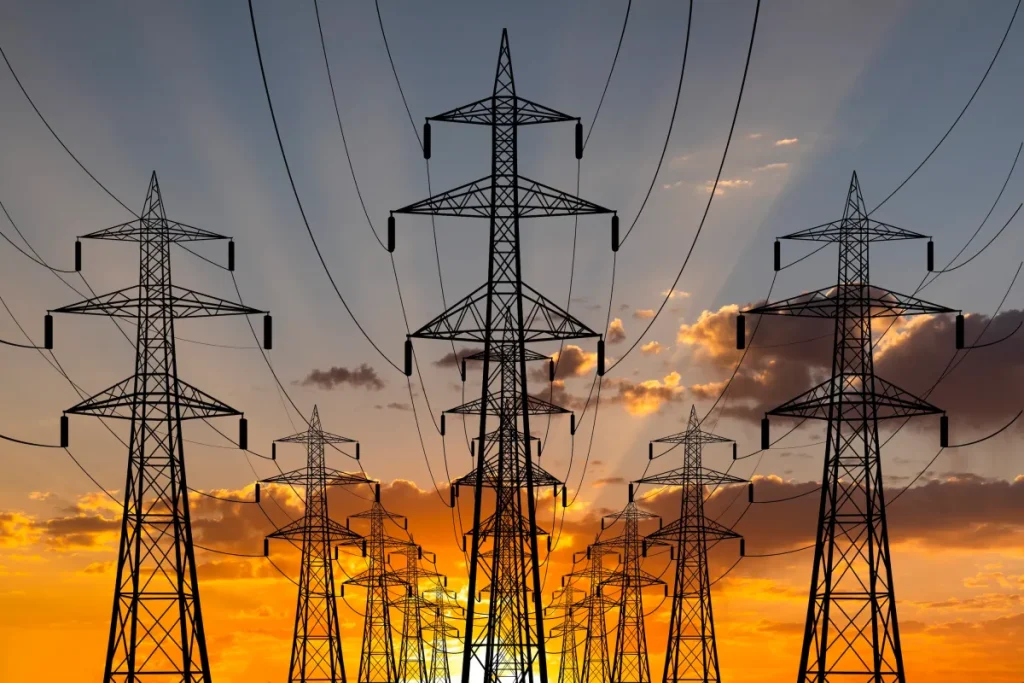
Image Credits:Anton Petrus / Getty Images
The New Frontier: Why Investment in Energy is the Smart Move for Venture Capitalists
Venture capitalists have dramatically increased their investments in AI startups, pouring over $500 billion into the sector in the past five years. However, recent findings suggest that a more strategic investment may lie in the energy sector, particularly as it relates to data centers and their energy demands.
The Energy Crisis in Data Centers
A recent report by Sightline Climate highlights a pressing issue: nearly 50% of announced data center projects may face delays, predominantly due to power accessibility. Among the 190 gigawatts worth of data centers being monitored, only 5 gigawatts are currently under construction. While 6 gigawatts were put into operation last year, an alarming 36% of projects are experiencing timeline delays into 2025. These setbacks could significantly affect large enterprises and companies relying on AI for their operations.
The mismatch between supply and demand for energy presents a lucrative opportunity for astute investors.
Tech Giants Invest in Energy Solutions
Prominent technology companies like Google and Meta are investing heavily in sustainable energy alternatives, focusing on solar, wind, and nuclear projects. These giants are also financially backing emerging technologies like Form Energy’s innovative 100-hour battery, aiming to put pressure on utilities to expedite their adoption.
Numerous startups are tackling the energy challenge head-on. Companies such as Amperesand, DG Matrix, and Heron Power focus on developing new power conversion technologies, while others like Camus, GridBeyond, and Texture are creating software aimed at managing the flow of electrons more effectively.
The challenge of power availability remains a crucial constraint for data centers, a situation that is expected to worsen. According to Goldman Sachs, AI’s demand for data center power is projected to surge by 175% by 2030.
Growing Electricity Prices and Shift to Alternatives
Unprecedented grid shortages have recently driven electricity prices soaring across the U.S. These challenges have prompted numerous tech companies to investigate alternative power sources for their data centers. The previous administration urged firms to build their own power sources, pay elevated rates, or adopt both approaches, although many companies were already planning to take such steps.
The Transition to Hybrid Power Solutions
Major tech companies like Amazon, Google, and Oracle are actively working to reduce their reliance on the grid. Several upcoming data centers are being planned with on-site power or a hybrid model that combines both on-site power and grid connections. Notably, less than a quarter of projects that have established a power source will rely on these on-site or hybrid systems, which collectively represent 44% of total capacity.
This transition has been catalyzed, in part, by shortages in power generation equipment, particularly gas turbines, as well as an outdated grid structure, making the case for alternative energy sources.
Google’s recent partnership to power its new data center in Minnesota exemplifies this innovative approach. The project will utilize a combination of wind and solar energy, supplemented by a substantial 30 gigawatt-hour battery from Form Energy. Additionally, Google coordinated with Xcel Energy to create a new rate structure designed to encourage the adoption of such advanced technologies in the utility’s planning process.
By the end of this year, the U.S. is expected to boast nearly 65 gigawatts of battery storage capacity, per the U.S. Energy Information Administration. Form Energy aims to capitalize on this momentum by seeking a $500 million round ahead of its planned IPO.
The Role of Transformers in Energy Management
While energy supply is vital, how that energy is managed is equally crucial. After power reaches the grid or data center, management largely falls to transformers—devices primarily using massive blocks of iron and copper wire, a technology that has not radically changed in 140 years. While reliable, these transformers are becoming increasingly cumbersome as data center power demands escalate. An expert estimates that when server racks reach 1 megawatt in power density, the associated power equipment will require double the space of the rack itself.
This necessity has spurred investor interest in solid-state transformer startups, projecting that silicon-based power electronics could replace the traditional iron-and-copper technology. Although these newer transformers are more expensive, they also offer the flexibility to substitute several pieces of equipment in a data center, thereby enhancing cost competitiveness.
Investment Prospects in the Energy Sector
Overall, the scale of investments in battery and transformer companies remains lower than some monumental funding rounds seen in the AI sector. However, this isn’t necessarily a disadvantage; these smaller investment rounds can be more manageable for potential investors. Moreover, as the world shifts towards electrification across industries—from transportation to heavy manufacturing—the demand for energy will only continue to grow, providing investors with an effective hedge against possible downturns in the AI sector.
In conclusion, perhaps the most strategic investment isn’t necessarily in AI technology itself. Given the intricacies of energy demands and the growing need for sustainable alternatives, placing bets on energy solutions may prove to yield more sustainable returns in a rapidly evolving technological landscape. As we navigate through this energy crisis, the focus on innovative energy solutions may well represent the new frontier for smart investment opportunities in the years to come.
Thanks for reading. Please let us know your thoughts and ideas in the comment section down below.
Source link
#investment #energy #tech
About The Author