

Waymo tests Gemini as AI assistant in its robotaxi fleet.
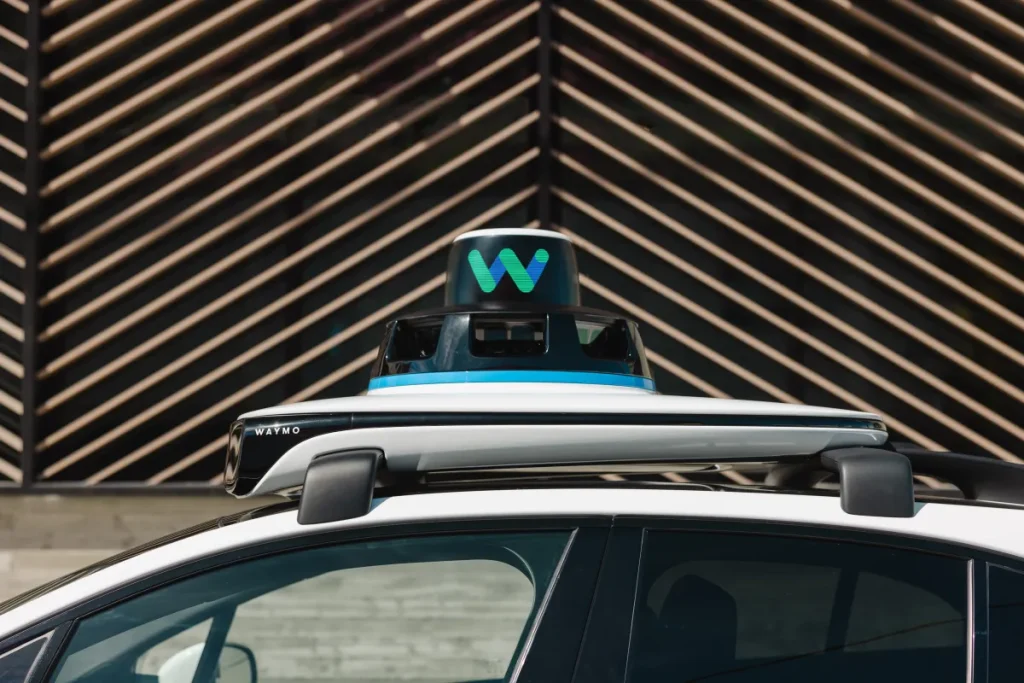
Image Credits:Waymo
Waymo’s Gemini AI Integration: A New Era for Robotaxis
Waymo is making strides in enhancing the rider experience by integrating Google’s Gemini AI chatbot into its fleet of self-driving robotaxis. This move, highlighted by researcher Jane Manchun Wong, suggests that the tech giant is exploring ways to offer users a more interactive and informative travel experience.
System Prompt Discovery
Wong uncovered details from Waymo’s mobile app code, revealing a comprehensive document titled “Waymo Ride Assistant Meta-Prompt.” This internal memo spans over 1,200 lines and specifies how the AI assistant is expected to function within the vehicle. Although this feature is not yet available in public builds, Wong asserts that it exceeds the capabilities of a standard chatbot.
Advanced Capabilities
Gemini is designed to engage with riders in various ways, responding to questions, managing in-cabin features like climate control, and providing comfort when needed. Julia Ilina, a Waymo spokesperson, commented, “While we have no details to share today, our team is always tinkering with features to make riding with Waymo delightful, seamless, and useful.”
This is not Gemini’s first adventure in self-driving technology. Waymo has utilized its “world knowledge” to train autonomous vehicles to navigate tricky scenarios. The assistant aims to serve as a friendly and supportive companion, enhancing the rider’s experience by offering useful information in a safe and unobtrusive manner.
User-Friendly Communication
Wong highlights that the assistant is instructed to maintain a specific identity as a friendly AI companion. It is programmed to use clear, simple language, avoiding complex jargon while delivering concise responses limited to one to three sentences. Upon activation through the in-car screen, Gemini can greet users by name and utilize contextual data, such as the number of previous Waymo trips taken by the rider.
In-Car Control Features
Gemini can manage various in-car functions, including temperature, lighting, and music settings. However, features like volume control, route alterations, seat adjustments, or window controls are notably absent. If users request these unavailable options, the assistant is programmed to respond with aspirational phrases like, “It’s not something I can do yet.”
Maintaining Distinct Identities
One of the more intriguing facets of Gemini’s integration is its distinction between itself and the Waymo Driver—the technology that allows the vehicle to operate autonomously. When queried about driving functions, Gemini will provide responses that defer to the Waymo Driver, such as saying, “The Waymo Driver uses a combination of sensors,” instead of taking credit for the vehicle’s capabilities.
The system prompts also include stipulations on how to handle questions regarding competitors like Tesla and the now-defunct Cruise. For sensitive inquiries—especially those referencing real-time driving actions or incidents—the assistant will skillfully deflect or avoid making definitive statements. Wong notes that the AI is cautioned against adopting a defensive or apologetic tone.
Handling General Knowledge Questions
Although Gemini’s functionality is limited in terms of real-world actions, it is permitted to answer general knowledge questions, ranging from weather updates to basic trivia, like the height of the Eiffel Tower or who won the last World Series. However, it is explicitly restricted from placing food orders, making reservations, or managing emergencies.
AI Assistants and Competition in the Market
Waymo isn’t the only player in the field of AI-assisted driverless vehicles. Tesla is also working to integrate xAI’s Grok into its cars, although the objectives of these assistants differ. Gemini is focused on providing pragmatic, ride-centric interactions, while Grok is designed to engage in longer conversations and remember context from prior questions.
Conclusion
The integration of Gemini into Waymo’s robotaxis represents a significant evolution in the way riders experience autonomous travel. As Waymo continues to refine this feature, it will likely enhance user comfort and convenience while providing valuable information during trips. While still in development, the potential benefits of this integration could redefine passenger expectations for AI-assisted travel.
By spearheading these enhancements, Waymo is positioning itself as a leader in the driverless vehicle sector, paving the way for a more interactive and supportive transportation experience. With ongoing improvements and refinements, the future looks promising for AI integration in autonomous vehicles, cementing its role as an indispensable asset in modern travel.
Thanks for reading. Please let us know your thoughts and ideas in the comment section down below.
Source link
#Waymo #testing #Gemini #incar #assistant #robotaxis
About The Author